

Colorado Labor Law Guide 2026: Wage, Overtime, Breaks, and Leave
Colorado labor laws for employers in 2026: the $15.16 minimum wage rising to $15.71 in 2027, overtime after 40 hours a week or 12 hours a day under the COMPS Order, mandatory meal and rest breaks, paid sick leave under HFWA, FAMLI paid family leave, immediate final pay on discharge, and mandatory vacation payout.
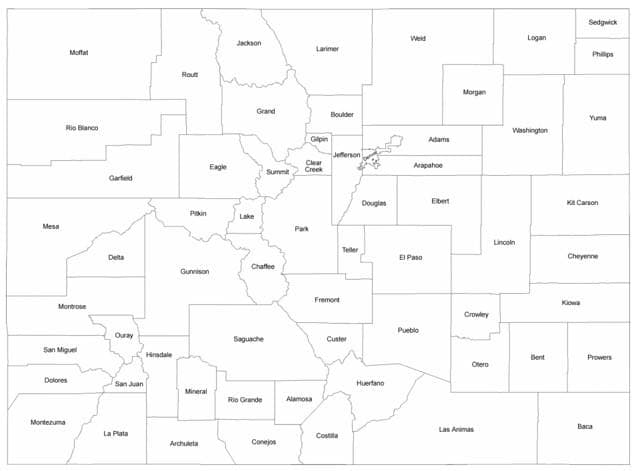
Colorado rewrote its wage and hour rules in 2020 and has kept adding to them since. The Colorado Overtime and Minimum Pay Standards Order (COMPS Order), reissued each year by the Division of Labor Standards and Statistics inside the Colorado Department of Labor and Employment (CDLE), sets daily overtime, meal and rest breaks, and a state exempt salary threshold. On top of it sit the Healthy Families and Workplaces Act (paid sick leave), the FAMLI paid family leave program, mandatory vacation payout, pay transparency, and one of the country's strictest final-pay rules. Employers with Colorado staff should treat the COMPS Order poster as required reading.
- The state minimum wage is $15.16 in 2026 and $15.71 from January 1, 2027, with Denver at $19.29, Edgewater at $18.17, and Boulder at $16.82
- Overtime is due at 1.5x after 40 hours in a week, 12 hours in a day, or 12 consecutive hours, whichever produces more pay
- Every employee gets a paid 10-minute rest break per 4 hours and an unpaid 30-minute meal period for shifts over 5 hours; a missed rest break is paid as time worked
- Employees earn 1 hour of paid sick leave per 30 hours worked, up to 48 hours a year, at every employer, and FAMLI provides up to 12 weeks of paid family and medical leave
- Discharged employees must be paid immediately, and accrued vacation must be paid out at separation regardless of policy
Minimum Wage in Colorado
Colorado's minimum wage is $15.16 per hour in 2026, with a tipped minimum of $12.14 after the fixed $3.02 tip offset. CDLE has announced $15.71 (tipped $12.69) for January 1, 2027. The rate is adjusted for inflation every January 1 under the state constitution, and local governments may set higher rates: Denver pays $19.29, Edgewater $18.17, and the City of Boulder and unincorporated Boulder County $16.82 in 2026. An employee who works 4 or more hours in a week inside a local jurisdiction is covered by its rate.
The minimum wage also drives the state exempt salary threshold and the daily overtime rules in the COMPS Order. For the rate history, the local ordinances, and the tipped rules, see the Colorado minimum wage guide.
Overtime Rules
The COMPS Order requires overtime at 1.5 times the regular rate for hours over 40 in a workweek, over 12 in a workday, or over 12 consecutive hours regardless of when the workday starts, whichever calculation produces the greater payment. There is no double-time rule and no seventh-day rule. The Order covers nearly all private employers, with exemptions for executive, administrative, and professional employees who meet both the duties test and the state salary threshold.
Worked example at the state minimum: an employee paid $15.16 works five 9-hour days. No day exceeds 12 hours, so the weekly rule applies: 40 hours at $15.16 ($606.40) plus 5 hours at $22.74 ($113.70), for $720.10 gross. If instead the employee worked three 14-hour days (42 hours), the daily rule yields 6 daily overtime hours plus 2 weekly overtime hours that do not overlap. The overtime calculator models the rules, and the overtime pay laws in the US guide compares Colorado with California, Nevada, and Alaska.
Meal and Rest Breaks
The COMPS Order mandates both meal and rest periods for covered employees. CDLE's break rules state that employees "are entitled to an uninterrupted and duty-free meal period of at least a 30-minute duration when the shift exceeds five consecutive hours of work," and that "Every employer shall authorize and permit a compensated 10-minute rest period for each 4 hours of work, or major fractions thereof." A rest period that is not provided must be paid as 10 minutes of work time, and a meal period during which the employee is not fully relieved must be paid.
| Break type | Requirement | Applies to |
|---|---|---|
| Meal period | 30 minutes, unpaid, duty-free, for shifts over 5 consecutive hours; when practical, at least 1 hour after the start and 1 hour before the end of the shift | Employees covered by the COMPS Order |
| On-duty meal | Paid meal period permitted only when the nature of the work makes a duty-free meal impractical | Limited roles |
| Rest period | 10 minutes, paid, for each 4 hours worked or major fraction; 2 hours of work earns the first, 6 the second, and so on | Employees covered by the COMPS Order |
| Rest period timing | In the middle of each 4-hour period when practicable; two 5-minute breaks may substitute by written agreement | |
| Missed rest break | Paid as 10 minutes of additional work time |
For an 8-hour contact-center shift, that means two paid 10-minute breaks and one 30-minute meal period. Minors follow the same rules plus the Youth Employment Opportunity Act limits. The break time calculator shows the minimum breaks for any shift, and our rest and meal break laws by state guide covers every state.
Paid Sick Leave and Other Leave
The Healthy Families and Workplaces Act (HFWA) covers every Colorado employer. Employees accrue 1 hour of paid sick leave for every 30 hours worked, up to 48 hours a year, may carry over up to 48 hours, and may use the leave for their own or a family member's illness, preventive care, domestic violence, bereavement, school closures, and evacuation. Since February 2026, HFWA leave must be paid at the employee's regular rate excluding overtime, bonuses, and holiday pay. During a declared public health emergency, employers must supplement the balance to 80 hours.
FAMLI, the state paid family and medical leave insurance program, has paid benefits since January 1, 2024. Employees may take up to 12 weeks of leave (plus 4 weeks for pregnancy or childbirth complications) at up to 90 percent of wages, capped, funded by a payroll premium split between employer and employee; employers with fewer than 10 employees pay only the employee share.
| Leave type | Colorado rule |
|---|---|
| Paid sick leave (HFWA) | 1 hour per 30 worked, 48 hours a year, all employers; 80 hours during a public health emergency |
| FAMLI paid family and medical leave | Up to 12 weeks plus 4 for pregnancy complications; premium about 0.9 percent of wages split 50/50 |
| Jury duty | Employers must pay regular wages up to $50 a day for the first 3 days of service |
| Voting | Up to 2 hours paid if the employee lacks 3 hours outside work while polls are open |
| Domestic violence | Up to 3 days of leave at employers with 50 or more employees |
| Military | Federal USERRA plus state protection for Colorado National Guard members |
| Parental school involvement | Up to 18 hours a year unpaid at employers with 50 or more employees |
See paid sick leave laws in the US for how HFWA compares, and jury duty laws in the US for court leave.
PTO Payout and Final Paychecks
Colorado's Wage Act sets one of the strictest final-pay rules in the country. When an employer terminates an employee, wages are due immediately; if the employer's payroll unit is not on site or not operating, the deadline extends to 6 hours after the start of the payroll unit's next workday, or 24 hours if the unit is off site. When an employee quits, final wages are due on the next regular payday. An employer that fails to pay within 14 days of a written demand owes the greater of 2 times the unpaid wages or $1,000, rising to 3 times or $3,000 for willful violations.
Vacation is earned wages. Since the Colorado Supreme Court's 2021 decision in Nieto v. Clark's Market, accrued, unused vacation must be paid at separation regardless of any forfeiture policy, although employers may cap accrual. HFWA sick leave does not have to be paid out. Our PTO payout laws by state guide covers the details.
Pay frequency: at least monthly, or every 30 days, on regular paydays no more than 10 days after the end of the pay period. Itemized pay statements must show gross and net pay, hours, rates, and deductions.
Exempt vs Non-Exempt Employees
Colorado sets its own exempt salary threshold in the COMPS Order and indexes it annually. For 2026 the executive, administrative, and professional exemptions require a salary of at least $57,784 a year, well above the federal $35,568, and the employee must also meet the duties test. The threshold applies to the state overtime, break, and minimum wage rules, so an employee paid the federal minimum salary is still owed Colorado overtime and breaks. Our exempt vs non-exempt employees guide and the FLSA exemption flowchart cover the duties tests.
Child Labor Rules
The Colorado Youth Employment Opportunity Act, enforced by CDLE, sets the minimum age at 14 with exceptions, does not require work permits, and limits hours for minors under 16. CDLE adopted new youth employment standards in 2025, so the limits below should be confirmed with the Division before scheduling minors.
| Age group | School in session | School not in session | Hours of day and other rules |
|---|---|---|---|
| 14 and 15 | 3 hours on a school day and 18 in a school week under federal law; state law caps 8 hours a day and 40 a week | 8 hours a day, 40 hours a week | Not after 9:30 PM before a school day under state law; 7 AM to 7 PM (9 PM in summer) under federal law |
| 16 and 17 | No state hour limits | No state limits | Federal hazardous occupation rules; age certificate on request |
| Under 14 | Limited to delivery, agriculture, babysitting, and similar work |
Minors are entitled to the COMPS Order meal and rest periods. See child labor laws in the US for the federal rules.
Other Colorado Employment Rules
- Pay transparency. The Equal Pay for Equal Work Act requires every employer to include the pay range and a general description of benefits in job postings, to notify employees of promotional opportunities, and, since 2024, to announce who was selected within 30 days.
- Non-competes. Void except for highly compensated workers (threshold about $130,000 in 2026, indexed) with a trade-secret purpose, and non-solicits only above 60 percent of that threshold; separate notice rules apply.
- Ban the box. The Chance to Compete Act bars criminal history questions on applications at all employers.
- POWR Act. Since 2023, Colorado applies a lower "severe or pervasive" bar for harassment claims and restricts non-disclosure agreements in employment.
- Wage theft. Wage theft is a felony above $2,000, and the Division can issue citations and fines.
- Job Application Fairness Act. Employers may not ask for age, birth date, or graduation dates on applications.
Hiring, Termination, and Record-Keeping
Colorado is an at-will state with exceptions for discrimination, retaliation, and lawful off-duty conduct, which the state protects by statute. The Colorado Civil Rights Division enforces the Colorado Anti-Discrimination Act, which covers employers of every size. Salary history questions are prohibited.
The Wage Protection Rules require employers to keep records of each employee's name, address, occupation, date of hire, daily hours worked, rates, deductions, and paid sick leave accrued and used for at least 3 years, and to give pay statements each pay period. Post the current COMPS Order poster, the HFWA notice, the FAMLI notice, and the federal posters, and provide the COMPS poster in the employee handbook if one exists. Daily overtime and rest-break tracking make punch-level records essential: a time card calculator with daily rules and a written timekeeping policy keep the 12-hour calculation defensible.
Frequently Asked Questions
Is Colorado an at-will state? Yes, with exceptions for discrimination, retaliation, and the state's lawful off-duty activities statute.
Does Colorado require lunch breaks? Yes. Shifts over 5 consecutive hours require a 30-minute unpaid meal period, and every 4 hours of work earns a paid 10-minute rest break.
When is overtime paid in Colorado? After 40 hours in a week, 12 hours in a day, or 12 consecutive hours, at 1.5x, whichever produces more pay.
When is the final paycheck due in Colorado? Immediately on discharge (within 6 or 24 hours if the payroll unit is off site), and on the next regular payday when an employee quits.
Does Colorado have paid sick leave? Yes. Every employer must provide 1 hour per 30 hours worked, up to 48 hours a year, under HFWA, and FAMLI adds paid family and medical leave.
What is the exempt salary threshold in Colorado in 2026? $57,784 a year under the COMPS Order, plus the duties test.
How many hours can a minor work in Colorado? State law caps minors under 16 at 8 hours a day and 40 a week and bars work after 9:30 PM before a school day; the stricter federal limits of 3 hours on a school day and 18 in a school week apply to most employers.
Does Colorado pay out unused PTO? Yes. Accrued vacation is wages and must be paid at separation; forfeiture policies are unenforceable, although accrual caps are allowed.
Sources
- CDLE: COMPS Order and PAYCALC Order
- CDLE INFO #1: 2026 COMPS and PAYCALC Orders (PDF)
- CDLE: Breaks (Rest and Meal Periods)
- CDLE: Paid Sick Leave (HFWA)
- Colorado FAMLI Division
- US Department of Labor: State Minimum Wage Laws
Reviewed September 2026
CDLE's website blocks automated retrieval, so the COMPS Order, HFWA, and final-pay rules above are confirmed through CDLE's published documents as reported by law-firm and compliance summaries rather than fetched directly. The 2026 exempt threshold, FAMLI premium rate, jury duty pay, voting leave, child labor hours, non-compete threshold, and record-retention details should be confirmed with the Division of Labor Standards and Statistics or counsel before you rely on them.
Twelve-Hour Days and Ten-Minute Breaks
HiveDesk records clock-ins, breaks, and clock-outs to the minute and builds daily timesheets, so Colorado's 12-hour overtime rule and rest-period requirement are calculated from real data. $5/user/month, 14-day free trial.