

Washington DC Labor Law Guide 2026: Wages, Overtime, Breaks, and Leave
District of Columbia labor laws for employers in 2026: the $18.40 minimum wage indexed every July 1, the $10.30 tipped cash wage, federal overtime after 40 hours, paid sick leave under the Accrued Sick and Safe Leave Act, employer-funded Paid Family Leave with up to 12 weeks of benefits, final pay on the next working day after a discharge, and work permits for every minor under 18.
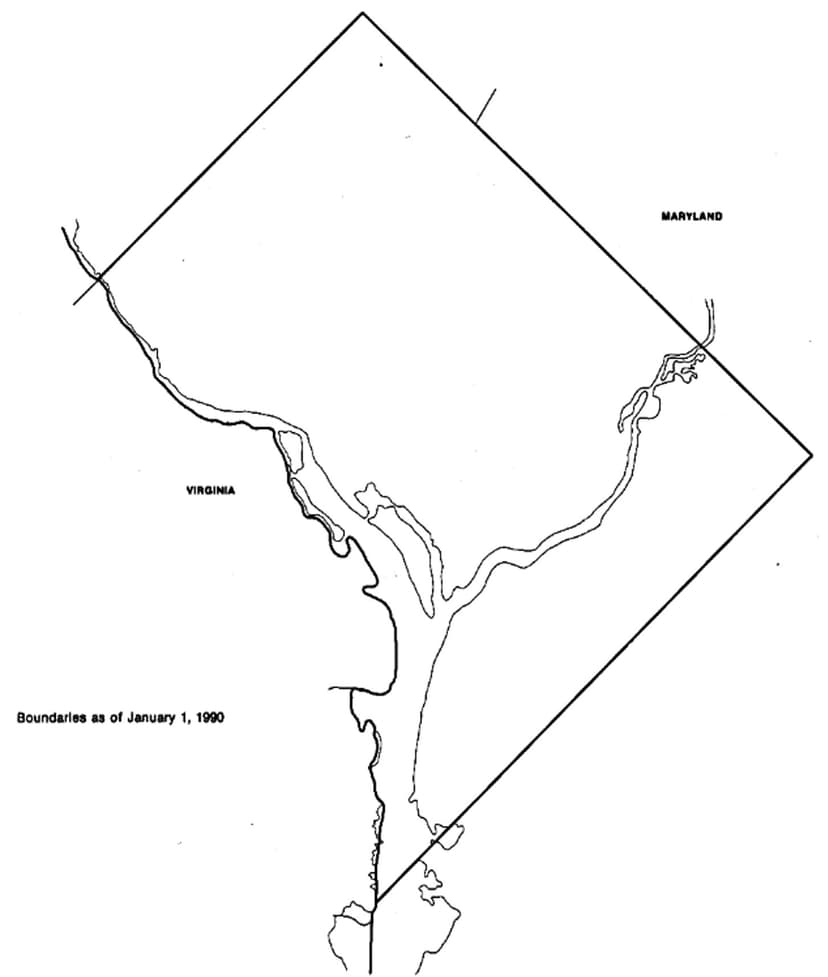
The District of Columbia has one of the highest minimum wages in the country, a paid sick leave law that reaches almost every employer, a paid family leave program paid for entirely by employers, and some of the fastest final pay deadlines anywhere. It is a compact jurisdiction with big-city rules, and many of them apply to employees who commute in from Maryland and Virginia as long as they spend more than half their working time in the District. The Department of Employment Services (DOES), through its Office of Wage-Hour, enforces wage payment, minimum wage, sick leave, and child labor rules, and the Office of Paid Family Leave runs the benefit program.
- The District's minimum wage is $18.40 an hour from July 1, 2026 and rises every July 1 with the consumer price index, with a tipped cash wage of $10.30 that is scheduled to keep climbing under Initiative 82
- The Accrued Sick and Safe Leave Act requires paid sick leave for nearly every employee, from 3 days a year at the smallest employers to 7 days at employers with 100 or more
- Paid Family Leave is funded by a 0.75 percent employer payroll contribution and pays up to 12 weeks of parental, family, or medical leave plus 2 weeks of prenatal leave, at a 2026 maximum of $1,190 a week
- Discharged employees must be paid in full by the next working day; employees who quit are due by the next payday or within 7 days, whichever comes first
- Every minor under 18 needs a work permit, and minors are capped at 8 hours a day, 48 hours a week, and 6 days a week
Minimum Wage in the District of Columbia
The District's minimum wage is $18.40 an hour as of July 1, 2026, after an inflation adjustment from $17.95. The rate is indexed to the Washington-area consumer price index and changes every July 1, so employers should budget for a new rate at mid-year. Tipped employees receive a cash wage of $10.30, which is 56 percent of the full rate; under Initiative 82 the tipped percentage rises in stages until it reaches the full minimum wage, subject to changes the Council has made along the way. Employers of tipped workers must make up the difference in any week when tips fall short and must report tip credits through the District's quarterly wage reporting system.
The District of Columbia minimum wage guide has the tipped schedule, the living wage for District contractors, and the comparison with Maryland and Virginia. See the minimum wage by state table for the national picture.
Overtime Rules
The District's Minimum Wage Act requires 1.5 times the regular rate for hours over 40 in a workweek, mirroring the federal FLSA. There is no daily overtime.
Worked example at the minimum wage: an employee paid $18.40 works 45 hours. Regular pay is 40 hours at $18.40, or $736.00, and overtime is 5 hours at $27.60, or $138.00, for $874.00 gross. Run any rate through the overtime calculator, and see the overtime pay laws in the US guide for the federal rules the District follows.
Exemptions follow the federal salary and duties tests. Because the District minimum wage is so high, an exempt employee paid at the federal $684 per week floor earns less per hour than a non-exempt one working 40 hours at $18.40 ($736), which is a common audit flag; confirm the current exempt salary threshold with DOES.
Meal and Rest Breaks
District law does not require meal or rest breaks for adult employees. Breaks are a matter of employer policy, subject to the federal rule that breaks under 20 minutes are paid and bona fide meal periods of 30 minutes or more may be unpaid if the employee is fully relieved. Minors are treated differently: the child labor law requires a 30-minute break after 5 consecutive hours of work.
| Break type | Requirement | Applies to |
|---|---|---|
| Meal break | Not required | Employees 18 and over |
| Rest breaks | Not required | Employees 18 and over |
| Minors | 30-minute break after 5 consecutive hours of work | Under 18 |
| Pay for breaks | Breaks under 20 minutes are paid work time; unpaid meal periods must be duty-free | All employees |
Breastfeeding employees are entitled to reasonable break time and a private, non-bathroom space under the District's Child's Right to Nurse Act and federal PUMP Act. Use the break time calculator to plan shifts and the rest and meal break laws by state guide to compare the District with Maryland and Virginia.
Paid Sick Leave and Other Leave
The District has both a paid sick leave mandate and an employer-funded paid family leave program.
Accrued Sick and Safe Leave Act (ASSLA). Almost every employer must provide paid leave that employees can use for their own illness, medical care, a family member's care, or needs arising from domestic violence, sexual abuse, or stalking. Accrual and caps depend on employer size:
| Employer size | Accrual rate | Annual cap |
|---|---|---|
| 1 to 24 employees | 1 hour per 87 hours worked | 3 days |
| 25 to 99 employees, and tipped restaurant or bar employees at any size | 1 hour per 43 hours worked | 5 days |
| 100 or more employees | 1 hour per 37 hours worked | 7 days |
Leave accrues from the first day and may be used after 90 days of employment. Unused leave carries over, but employers may cap annual use at the day limits and are not required to pay out unused leave at separation. Employers may require reasonable certification only for absences of 3 or more consecutive days. The law applies to employees who spend more than 50 percent of their working time in the District, or who are based in the District and spend a substantial amount of time there and no more than 50 percent in any other jurisdiction. Records must be kept for 3 years, and fines run from $1,000 to $2,000 per violation for first, second, and third offenses.
Paid Family Leave (PFL). Private employers pay a payroll contribution, 0.75 percent of wages for 2026, into the District's Universal Paid Leave fund; employees contribute nothing. Covered workers can claim up to 12 weeks of parental leave, 12 weeks of family caregiving leave, and 12 weeks of medical leave, capped at 12 weeks combined in a year, plus 2 weeks of prenatal leave for a 14-week maximum. The 2026 maximum weekly benefit is $1,190. Employers must post the PFL notice and give it to new hires and to employees who request leave.
| Leave type | District rule |
|---|---|
| Paid sick and safe leave | Required; 3, 5, or 7 days a year by employer size |
| Paid Family Leave | 12 weeks combined plus 2 prenatal weeks; up to $1,190 a week; employer-funded |
| DC Family and Medical Leave Act | 16 weeks family and 16 weeks medical leave, unpaid, at employers with 20 or more employees |
| Parental leave | 24 hours a year of unpaid leave for school-related events |
| Jury duty | Job-protected; employers with 10 or more employees pay the difference between wages and juror fees for the first 5 days |
| Voting | Up to 2 hours of paid leave to vote, if requested in advance |
| Military | Federal USERRA plus District protections |
See paid sick leave laws in the US for how ASSLA compares with other mandates and jury duty laws in the US for the court leave rules.
PTO Payout and Final Paychecks
The District's Wage Payment and Collection Law (D.C. Code 32-1303) sets two of the tightest deadlines in the country. An employee who is discharged must be paid all wages due no later than the working day after the discharge. An employee who quits or resigns must be paid by the next regular payday or within 7 days of quitting, whichever is earlier. Employers must pay at least twice a month on regular paydays, and wages are due within 10 working days of the end of the pay period.
"Wages" in the District include vacation and PTO promised by policy or contract, so accrued, unused vacation is generally due with the final paycheck unless a written policy clearly provides otherwise. Late final pay accrues liquidated damages of 10 percent of the unpaid wages per working day, up to four times the amount owed, and the Wage Theft Prevention Amendment Act adds treble damages and attorney's fees in court. See the PTO payout laws by state guide for the District entry.
Since January 1, 2026, pay statements must itemize tips, commissions, and bonuses separately from other wages, in addition to the existing requirements for hours, rate, and deductions.
Exempt vs Non-Exempt Employees
The District uses the federal salary basis, salary level, and duties tests, with the state Minimum Wage Act exempting the same executive, administrative, and professional categories. Misclassification exposure is unusually high because the District's Wage Theft Prevention Amendment Act allows treble damages and the Attorney General actively litigates wage cases. See our exempt vs non-exempt employees guide and the FLSA exemption flowchart.
Child Labor Rules
The District's child labor law (D.C. Code 32-201 and following) requires a work permit for every minor under 18, kept on file at the workplace, and sets hour limits that are stricter than federal law for 16 and 17 year olds.
| Age group | Hours and time limits | Other rules |
|---|---|---|
| 14 and 15 | Federal limits: 3 hours on a school day, 18 in a school week, 8 on a non-school day, 40 in a non-school week; District hours 7 AM to 7 PM (9 PM June 1 through Labor Day) | Work permit on file; 30-minute break after 5 consecutive hours |
| 16 and 17 | 8 hours a day, 48 hours a week, 6 consecutive days; not before 6 AM or after 10 PM | Work permit on file; 30-minute break after 5 consecutive hours; one day of rest per week |
| All minors | Employer must post the child labor notice, keep a list of minors employed, and keep time records | Federal hazardous occupation orders apply |
Employers who use minors in contact center or retail roles should check the child labor laws in the US guide for the federal rules that apply alongside the District's permit and hours requirements.
Other District of Columbia Employment Rules
- Ban the box. The Fair Criminal Record Screening Amendment Act bars employers with 11 or more employees from asking about criminal history before a conditional offer.
- Salary history and pay transparency. Employers may not ask about pay history and, since June 30, 2024, must include a pay range in job postings and disclose health benefits before a first interview.
- Marijuana. The Cannabis Employment Protections Amendment Act limits adverse action for off-duty cannabis use, with exceptions for safety-sensitive positions and federal contracts.
- Non-competes. The Ban on Non-Compete Agreements Amendment Act voids non-competes for employees earning under an indexed threshold (about $158,000 in 2026) and requires notice and specific terms for the highly compensated.
- Wage theft notices. Employers must give every new hire a written notice of pay rate, payday, and employer details, and update it when terms change.
- Living wage. District contractors and grantees must pay the living wage set each year, which is above the general minimum wage.
- Human rights. The DC Human Rights Act applies to all employers regardless of size and lists more than 20 protected traits, including personal appearance and political affiliation.
Hiring, Termination, and Record-Keeping
The District is at-will with exceptions for discrimination, retaliation, and public policy, and its Human Rights Act covers every employer. Keep payroll records for at least 3 years, keep ASSLA accrual and use records for 3 years, keep wage theft notices and pay stubs, and keep minors' permits and time records on site. Post the District minimum wage, ASSLA, PFL, wage theft, and child labor notices with the federal posters.
Because the discharge deadline is the next working day and liquidated damages accrue daily, employers should be able to compute final wages immediately. A time card calculator that totals hours through the last shift, backed by a written timekeeping policy, makes that possible.
Frequently Asked Questions
Is Washington DC an at-will jurisdiction? Yes, with exceptions for discrimination under the Human Rights Act, retaliation, and public policy.
Does DC require lunch breaks? Not for adults. Minors must get a 30-minute break after 5 consecutive hours of work. Breaks under 20 minutes that the employer provides must be paid.
When is overtime paid in DC? After 40 hours in a workweek at 1.5 times the regular rate. There is no daily overtime.
When is the final paycheck due in DC? The next working day after a discharge. An employee who quits must be paid by the next regular payday or within 7 days, whichever is earlier.
How much paid sick leave does DC require? 3 days a year at employers with 1 to 24 employees, 5 days at 25 to 99 employees (and for tipped restaurant and bar workers at any size), and 7 days at 100 or more, accrued per hours worked.
Who pays for DC Paid Family Leave? Employers, through a payroll contribution of 0.75 percent of wages in 2026. Employees contribute nothing and may claim up to 12 weeks of leave plus 2 prenatal weeks at up to $1,190 a week.
Does DC's sick leave law apply to Maryland and Virginia commuters? Yes, if the employee spends more than 50 percent of working time in the District, or is based in the District and does not spend more than 50 percent in any other single jurisdiction.
How many hours can a minor work in DC? No more than 8 hours a day, 48 hours a week, and 6 consecutive days for anyone under 18. Ages 16 and 17 may not work before 6 AM or after 10 PM; younger minors are limited to 7 AM to 7 PM (9 PM in summer) and the federal 3-hour and 18-hour school limits. Every minor needs a work permit.
Sources
- DC Department of Employment Services: Office of Wage-Hour
- DC Department of Employment Services: Accrued Sick and Safe Leave Act
- DC Office of Paid Family Leave
- DC Code 32-1303: Payment of wages upon discharge or resignation
- DC Code 32-202: Hours of work for minors
- US Department of Labor: State Minimum Wage Laws
Reviewed September 2026
The minimum wage, ASSLA accrual tiers and coverage tests, Paid Family Leave contribution rate and benefit maximum, final pay deadlines, and minor hours were checked against DOES publications and the D.C. Code. The tipped wage schedule under Initiative 82 has been amended by the Council more than once, the non-compete salary threshold is indexed, and the pay transparency, ban-the-box, cannabis, DC FMLA, jury duty pay, voting leave, and liquidated damages details are stated from general knowledge and the prior version of this guide. Confirm those items with the Department of Employment Services before you rely on them.
Final Pay by the Next Working Day
HiveDesk keeps hours totaled through an employee's last shift and tracks sick leave accrual by hours worked, so DC's next-day final pay deadline and ASSLA accrual records are ready without a scramble. $5/user/month, 14-day free trial.