

Kentucky State Labor Laws for Business Owners
Kentucky labor law guide for employers. Covers the $7.25/hr minimum wage, overtime, required meal breaks, and rest break rules.
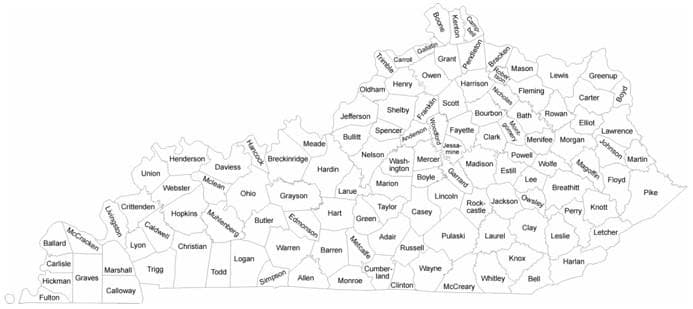
The main sectors of the economy in the state of Kentucky include manufacturing, agriculture, healthcare, energy, and technology. Kentucky's central location and well-developed transportation infrastructure and a strong presence of logistics companies make it a strategic hub for distribution. Kentucky offers various tax incentives and credits to attract and retain businesses.
Minimum Wage Mandates
The minimum wage in the state of Kentucky is $7.25 per hour in 2026, which is the same as the federal minimum wage. Kentucky has not enacted a state minimum wage above the federal level.
Tipped employees must be paid a minimum cash wage of $2.13 per hour, with tips making up the difference to reach at least $7.25 per hour. Employers may take a tip credit of up to $5.12 per hour for employees who customarily and regularly receive more than $30 per month in tips.
The Kentucky Supreme Court ruled in 2016 that cities lack authority to set minimum wages above the state or federal floor, so there are no local minimum wage variations.
Learn more about the minimum wage laws in every US state.
Overtime Rules
Overtime rules in Kentucky follow the federal Fair Labor Standards Act (FLSA). This federal labor act sets minimum wage, overtime pay eligibility, record keeping, and child labor standards.
Non-exempt employees in Kentucky get overtime pay for the hours worked beyond 40 hours in a week. The overtime pay is calculated at 1.5 times the regular hourly pay. Kentucky also requires employers to pay overtime at the rate of 1.5 times the regular rate for all hours worked on the seventh consecutive day when an employee works seven days in a workweek.
Exempt employees are not eligible for overtime pay. Exempt employees are typically salaried employees who meet the minimum salary threshold of $684 per week ($35,568 per year) and specific criteria related to their job duties.
Meal and Rest Breaks
Kentucky has state laws requiring both meal and rest breaks for employees, which go beyond the federal FLSA requirements.
Meal Breaks: Kentucky law (KRS 337.355) requires employers to provide a reasonable lunch period of at least 20 minutes to employees. The meal break must be provided no earlier than 3 hours after the start of the shift and no later than 5 hours into the shift. Employees must be completely relieved of duties during the meal break for it to be unpaid. If an employee is required to perform any duties while eating, they must be compensated for that time.
Rest Breaks: Kentucky requires employers to provide a paid rest break of at least 10 minutes for every 4 hours worked. These rest periods are considered compensable work time and must be provided in addition to meal breaks.
Minors: For workers under 18, Kentucky law mandates a lunch break of no less than 30 minutes for every 5-hour period worked.
Kentucky also requires that employees receive at least one day of rest (24 consecutive hours off) during every calendar week.
Paid Leaves and time off rules in the state of Kentucky
Kentucky does not have any state laws requiring paid leave for employees. However, there are federal and state laws that may impact paid leave and time off in certain situations.
- The federal Family and Medical Leave Act (FMLA) applies to eligible employees in Kentucky. FMLA provides eligible employees with up to 12 weeks of unpaid leave in a 12-month period for specific family or medical reasons, including the birth or adoption of a child, the serious health condition of the employee or a family member, or certain military-related events.
- Kentucky does not have a statewide law requiring employers to provide paid sick leave to employees. In addition to the state and federal laws, employers should be aware of and comply with any local ordinances that apply to their business.
- Most Kentucky employers choose to offer paid time off as part of their benefits package. Employers may have their own policies regarding vacation, personal days, or other types of paid leave.
- If an employee is temporarily laid off or experiences a reduction in work hours, they may be eligible for unemployment benefits through the Kentucky Career Center.
- Collective Bargaining Agreements: For employees covered by collective bargaining agreements, the terms related to paid leave and time off may be outlined in the agreement.
Exempt vs. Non-Exempt Classification
The classification of employees as exempt or non-exempt in the state of Kentucky is primarily driven by the federal law Fair Labor Standards Act (FLSA). The FLSA sets forth rules regarding minimum wage, overtime pay, and exemptions for certain categories of employees.
Exempt Employees:
- Salary Basis Test: Exempt employees are typically paid on a salary basis, meaning they receive a fixed salary that is not subject to reduction based on the quality or quantity of work performed.
- Salary Level Test: Exempt employees must earn a minimum salary to qualify for exemption. The minimum salary for exemption is $684 per week ($35,568 per year) as of 2026.
- Duties Test: Exempt employees must perform specific job duties that fall into one of the FLSA’s exempt categories, such as executive, administrative, professional, or certain computer-related duties.
Non-Exempt Employees:
- Hourly Pay: Non-exempt employees are typically paid on an hourly basis and are entitled to overtime pay for hours worked beyond 40 hours in a workweek.
- Overtime Pay: Overtime pay for non-exempt employees is generally calculated at 1.5 times their regular rate of pay for each hour worked beyond 40 hours in a workweek. Kentucky also requires overtime for hours worked on the seventh consecutive day in a workweek.
- Employers must keep accurate records of non-exempt employees’ hours worked, wages paid, and other related information.
Equal Pay Act
Kentucky does not have its own state-specific Equal Pay Act. Employers in the state need to follow the federal Equal Pay Act of 1963 (EPA).
- Equitable Work: The EPA requires employers to pay the same wages irrespective of employees’ gender for substantially similar work.
- The EPA prohibits retaliation against employees who assert their rights under the Act.
- Kentucky has its own anti-discrimination law, the Kentucky Civil Rights Act (KCRA), which covers various aspects of employment discrimination. The KCRA prohibits discrimination based on race, color, religion, sex (including pregnancy, childbirth, and related medical conditions), disability, national origin, and age. It generally applies to employers with 8 or more employees, and extends to businesses with 15 or more employees for disability discrimination.
- In addition to the EPA, employers must also adhere to Title VII of the Civil Rights Act of 1964 that prohibits discrimination based on race, color, religion, and national origin.
Rules for hiring and firing employees in the state of Kentucky
In Kentucky, employment relationships are generally considered "at-will," meaning that either the employer or the employee can terminate the employment relationship at any time and for any lawful reason, with or without cause, and with or without notice. However, there are legal considerations and protections for both employers and employees.
While at-will employment allows for termination without cause, employers cannot terminate employees for illegal reasons, such as discrimination, retaliation, or in violation of public policy.
- Anti-Discrimination Laws: All Kentucky employers need to comply with federal anti-discrimination laws, including Title VII of the Civil Rights Act of 1964, that prohibits discrimination based on race, color, religion, sex, and national origin..
- Equal Employment Opportunity (EEO Employers should provide equal employment opportunities to all individuals regardless of their protected characteristics, and hiring decisions should be made based on merit and job-related criteria.
- Background Checks: Employers in the state of Kentucky may conduct background checks on job applicants, but they must comply with federal and state laws, including the Fair Credit Reporting Act (FCRA) and anti-discrimination laws.
- Work Eligibility Verification: All employers in Kentucky are required to verify the work eligibility of employees through the Form I-9 process in compliance with federal immigration laws.
- Final Paychecks: Kentucky requires employers to pay an employee’s final paycheck by the next regularly scheduled payday.
- Unemployment Compensation: If an employee is terminated, they may be eligible for unemployment benefits through the Kentucky Career Center.
- WARN Act: The federal Worker Adjustment and Retraining Notification (WARN) Act may apply to employers with 100 or more employees, requiring them to provide advance notice of plant closings or mass layoffs.
It is important for employers to remain well-informed about changes in employment laws and to seek guidance from legal professionals to ensure compliance with the latest regulations. It’s advisable to establish clear and meticulously documented employment policies and procedures to aid employers in complying with the labor laws.
Stay Compliant with Labor Laws
Track time, attendance, time-off, and schedules with HiveDesk — workforce management software built for compliance. $5/user/month, all features included.