

Florida Labor Law Guide 2026: Minimum Wage, Overtime, Breaks, and Pay
Florida labor laws for employers in 2026: the $14.00 minimum wage rising to $15.00 on September 30, 2026, overtime after 40 hours under the FLSA, no state break or paid sick leave mandates, E-Verify for employers with 25 or more staff, and child labor limits for minors.
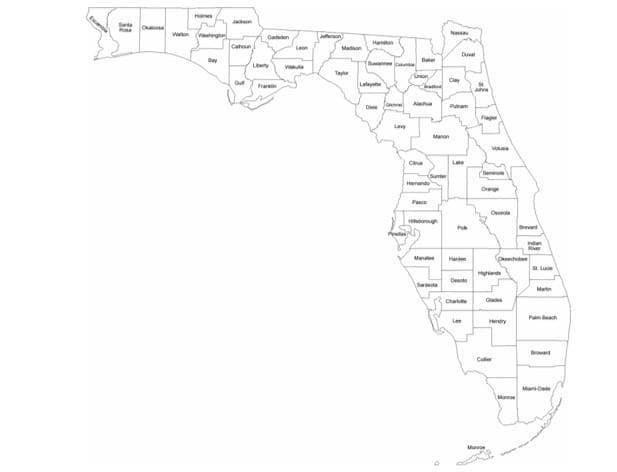
Florida pairs one of the higher state minimum wages in the Southeast with almost no other state-level wage and hour rules. Overtime, breaks, and leave follow federal law, and the state preempts local governments from adding their own. Wage enforcement is split: minimum wage claims go through the courts under the Florida Minimum Wage Act, child labor is enforced by the Department of Business and Professional Regulation (DBPR), and FloridaCommerce publishes the annual wage poster. For a contact center or hospitality employer, the compliance calendar revolves around one date: September 30.
- Florida's minimum wage is $14.00 an hour until September 29, 2026 and $15.00 from September 30, 2026, with the tipped cash wage moving from $10.98 to $11.98
- Overtime is federal only: 1.5x after 40 hours in a workweek, with no daily rule
- Adults have no state break entitlement, but minors must get a 30-minute break after 4 hours of work
- Florida has no paid sick leave or paid family leave law and bars cities and counties from creating one
- Employers with 25 or more employees must use E-Verify for new hires
Minimum Wage in Florida
Florida's minimum wage is $14.00 per hour through September 29, 2026 and rises to $15.00 per hour on September 30, 2026, the final one-dollar step of the schedule voters approved in Amendment 2 (2020). The tipped cash wage moves from $10.98 to $11.98 on the same date, reflecting the state's fixed $3.02 tip credit. From 2027 the rate is indexed to inflation each September 30. Florida law preempts local minimum wages, so a single rate applies statewide.
Employees who are underpaid can sue for back wages, liquidated damages, and attorney fees after giving the employer 15 days written notice. For the rate history, the poster requirement, and the tipped rules, see the Florida minimum wage guide.
Overtime Rules
Florida has no overtime statute. The FLSA applies: non-exempt employees earn 1.5 times their regular rate for hours over 40 in a fixed workweek, with no daily overtime and no weekend or holiday premium. The one Florida-specific wrinkle is Florida Statute 448.01, a 19th-century law that sets a 10-hour "legal day's work" for manual labor without a written contract; it rarely matters in practice.
Worked example at the state minimum: an employee paid $14.00 works 45 hours. That is 40 hours at $14.00 ($560.00) plus 5 hours at $21.00 ($105.00), for $665.00 gross. From September 30, 2026, the same week at $15.00 is $600.00 plus $112.50, or $712.50. The overtime calculator handles the arithmetic, and the overtime pay laws in the US guide explains the federal rule.
The exempt salary threshold is the federal $684 per week. Florida has no state threshold.
Meal and Rest Breaks
Florida does not require meal or rest breaks for employees 18 and older. The federal rule governs any breaks an employer offers: rest breaks of 20 minutes or less are paid, and meal periods of 30 minutes or more may be unpaid if the employee is fully relieved of duty. Minors are a different story: Florida child labor law requires a 30-minute uninterrupted break for every 4 hours of continuous work.
| Break type | Requirement | Applies to |
|---|---|---|
| Meal period (adults) | Not required; unpaid only if 30 minutes or more and duty-free | 18 and older |
| Rest break (adults) | Not required; paid if 20 minutes or less | 18 and older |
| Minor break | 30 minutes uninterrupted after 4 hours of continuous work | Under 18, with waiver rules for 16 and 17 year olds under the 2024 amendments |
| Nursing mothers | Reasonable break time and a private space under the federal PUMP Act | All employers |
The break time calculator shows the minimum breaks for any shift where a mandate applies, and our rest and meal break laws by state guide covers every state.
Paid Sick Leave and Other Leave
Florida has no paid sick leave, paid family leave, or paid parental leave requirement for private employers, and Florida Statute 218.077 prohibits local governments from requiring employers to provide leave benefits. Leave is governed by federal law and employer policy.
| Leave type | Florida rule |
|---|---|
| Paid sick leave | Not required; local mandates preempted |
| Family and medical leave | Federal FMLA (50 or more employees) |
| Domestic violence leave | Up to 3 working days in a 12-month period at employers with 50 or more employees, paid or unpaid at the employer's option |
| Jury duty | Job-protected; unpaid unless policy provides; employers may not fire or threaten an employee for jury service |
| Voting | No state law requiring time off to vote |
| Military | Federal USERRA plus state protection for the Florida National Guard |
See paid sick leave laws in the US for the states that do mandate sick leave, and jury duty laws in the US for court leave.
PTO Payout and Final Paychecks
Florida has no final paycheck statute. Final wages are due on the next regular payday under general contract principles and the FLSA, and there is no state penalty for delay beyond the ability to sue for unpaid wages. Unused vacation or PTO is paid out only if a written policy or agreement provides for it. Our PTO payout laws by state guide covers the rule.
Pay frequency: Florida sets no required frequency for private employers; most pay weekly or biweekly by policy. Deductions that drop pay below the minimum wage are barred by the Florida Minimum Wage Act and the FLSA.
Exempt vs Non-Exempt Employees
Florida uses the federal tests. Exemption requires a salary of at least $684 per week ($35,568 a year) and primarily exempt duties in the executive, administrative, professional, computer, or outside sales categories. Because Florida's minimum wage is nearly double the federal rate, the salary test is rarely the issue; the duties test is. A salaried supervisor who mostly works the floor or the phones is non-exempt. Our exempt vs non-exempt employees guide and the FLSA exemption flowchart walk through the tests.
Child Labor Rules
Florida's Child Labor Law (Chapter 450, Florida Statutes) is enforced by DBPR. House Bill 49 (2024) loosened the rules for 16 and 17 year olds, so the current limits should be confirmed with DBPR's Child Labor Program before scheduling minors.
| Age group | School in session | School not in session | Hours of day and other rules |
|---|---|---|---|
| 14 and 15 | 3 hours on a school day when followed by a school day; 15 hours a week | 8 hours a day, 40 hours a week | 7 AM to 7 PM (9 PM in summer); no work during school hours; 30-minute break per 4 hours |
| 16 and 17 | Up to 30 hours in a school week unless a parent or school waives the cap; not more than 8 hours when school is the next day | No daily or weekly cap | Not before 6:30 AM or after 11 PM before a school day; break rules subject to waiver under HB 49 |
| Under 14 | Generally prohibited except family businesses, agriculture, and entertainment with a permit |
Florida does not require work permits, but employers must keep proof of age on file. See child labor laws in the US for the federal rules that apply alongside state law.
Other Florida Employment Rules
- E-Verify. Since July 1, 2023, private employers with 25 or more employees must use E-Verify for new hires and certify compliance on their quarterly reemployment tax return.
- Local ordinance preemption. Florida bars cities and counties from regulating minimum wage, leave, and, since 2024, heat exposure and scheduling for private employers.
- Non-competes. Enforceable under Florida Statute 542.335 when reasonable and supported by a legitimate business interest; the 2025 CHOICE Act expanded enforcement for higher earners.
- Drug-free workplace. Employers that adopt a qualifying program receive a workers' compensation premium credit.
- Firearms in vehicles. Employers generally may not prohibit employees from keeping a lawfully owned firearm locked in a vehicle in the parking lot.
- Minimum wage poster. FloridaCommerce publishes a new poster each September 30; the 2026 version must be posted by that date.
Hiring, Termination, and Record-Keeping
Florida is an at-will state, with exceptions for discrimination, retaliation, whistleblowing under the Florida Private Whistleblower Act, and workers' compensation claims. The Florida Commission on Human Relations enforces the Florida Civil Rights Act, which covers employers with 15 or more employees. Florida has no ban-the-box law for private employers and no salary history ban.
Keep payroll records for at least 3 years under the FLSA, and keep proof of age for minors. Post the Florida minimum wage notice, the child labor poster if you employ minors, and the federal notices. Since minimum wage claims are litigated rather than handled by an agency, a time card calculator for regular audits and a written timekeeping policy that documents breaks and corrections are the employer's best evidence.
Frequently Asked Questions
Is Florida an at-will state? Yes, with exceptions for discrimination, retaliation, whistleblowing, and workers' compensation claims.
Does Florida require lunch breaks? Not for adults. Minors must receive a 30-minute break after 4 hours of continuous work, subject to the waiver rules for 16 and 17 year olds.
When is overtime paid in Florida? After 40 hours in a workweek at 1.5x under the federal FLSA. Florida has no daily overtime.
When is the final paycheck due in Florida? Florida sets no deadline; final wages are due on the next regular payday.
Does Florida have paid sick leave? No, and local governments may not require it.
What is the minimum wage in Florida in 2026? $14.00 an hour until September 29, 2026 and $15.00 from September 30, 2026.
How many hours can a minor work in Florida? 14 and 15 year olds are limited to 15 hours in a school week and 3 hours on a school day followed by another school day. 16 and 17 year olds are capped at 30 hours in a school week unless a parent or school waives it.
Does Florida require E-Verify? Yes, for private employers with 25 or more employees, since July 1, 2023.
Sources
- FloridaCommerce: Florida Minimum Wage
- Florida DBPR: Child Labor Program
- Florida Statutes Chapter 450: Child Labor
- US Department of Labor: State Minimum Wage Laws
- US Department of Labor: Minimum Wages for Tipped Employees
Reviewed September 2026
The minimum wage figures and dates follow the Florida Constitution and the US Department of Labor's July 2026 table. The FloridaCommerce and DBPR pages could not be retrieved automatically for this review, so the child labor hour limits (including the 2024 HB 49 changes), domestic violence leave, E-Verify threshold, and preemption statutes are stated from general knowledge and should be confirmed with DBPR, FloridaCommerce, or counsel before you rely on them.
Ready for September 30
HiveDesk tracks hours automatically and generates weekly timesheets, so a mid-pay-period rate change on September 30 is applied to the right hours without spreadsheet surgery. $5/user/month, 14-day free trial.