

Michigan Labor Law Guide 2026: Wages, Overtime, Breaks, and Leave
Michigan labor laws for employers in 2026: the $13.73 minimum wage rising to $15.00 in 2027, overtime after 40 hours, the Earned Sick Time Act with 72 hours for larger employers and 40 for small ones, final pay by the next regular payday, youth work permits and hour limits.
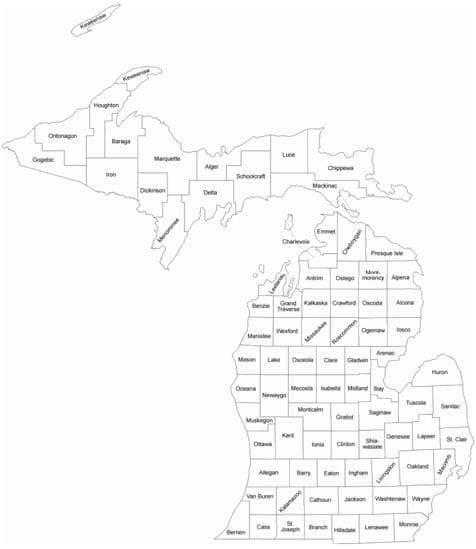
Michigan's employment rules changed more in 2025 than in the previous decade. The Earned Sick Time Act took effect in February 2025 after a state Supreme Court ruling and a last-minute legislative amendment, the minimum wage is climbing to $15.00 on a fixed schedule, and youth work permits are moving to a centralized state system in October 2026. The Department of Labor and Economic Opportunity (LEO) Wage and Hour Division enforces the Improved Workforce Opportunity Wage Act, the Payment of Wages and Fringe Benefits Act, the Earned Sick Time Act, and the Youth Employment Standards Act.
- Michigan's minimum wage is $13.73 an hour in 2026 and rises to $15.00 on January 1, 2027, with the tipped cash wage moving from 40 percent to a higher percentage of the minimum on the same date
- Overtime is due after 40 hours in a workweek at 1.5 times the regular rate; there is no daily overtime
- The Earned Sick Time Act requires 1 hour of paid sick time for every 30 hours worked; employers with 11 or more employees must allow up to 72 hours of use a year and small employers up to 40
- Final wages are due by the next regular payday for both discharges and resignations, and unused vacation is paid out only if a written policy provides for it
- Minors need a work permit, and from October 1, 2026 every permit must come through the state's centralized system
Minimum Wage in Michigan
Michigan's minimum wage is $13.73 per hour in 2026 for employers with 2 or more employees, under the Improved Workforce Opportunity Wage Act as amended in February 2025. It rises to $15.00 on January 1, 2027 and is indexed to inflation from 2028. Tipped employees may be paid 40 percent of the minimum wage ($5.49) in 2026, with the percentage stepping up in 2027 and later years, and minors aged 16 and 17 may be paid 85 percent. No local government may set a higher rate.
For the tipped percentage schedule, the youth rate, and the increase timeline, see the Michigan minimum wage guide.
Overtime Rules
Michigan requires overtime at 1.5 times the regular rate for hours worked over 40 in a workweek under the Improved Workforce Opportunity Wage Act, matching the federal FLSA. There is no daily overtime and no weekend or holiday premium. The state applies the federal executive, administrative, and professional exemptions and the federal $684 per week salary floor; Michigan has no higher state threshold. Employers not covered by the FLSA but covered by the state act (those with 2 or more employees) may, with a written agreement, offer compensatory time instead of overtime pay in limited circumstances; confirm the conditions with LEO before using comp time.
Worked example at the minimum wage: an employee paid $13.73 works 45 hours. Regular pay is 40 hours at $13.73 ($549.20) plus 5 hours at $20.60 ($103.00), for $652.20 gross. Use the overtime calculator for other rates, and see our overtime pay laws in the US guide for state comparisons.
Meal and Rest Breaks
Michigan does not require meal or rest breaks for employees aged 18 and older, so federal rules govern: short breaks of 20 minutes or less are paid, and a bona fide meal period of 30 minutes or more may be unpaid if the employee is fully relieved of duty. The Youth Employment Standards Act requires minors to receive a 30-minute uninterrupted rest or meal period for every 5 continuous hours of work.
| Break type | Requirement | Applies to |
|---|---|---|
| Meal period, adults | Not required by state law; unpaid only if duty-free | 18 and older |
| Rest break, adults | Not required; breaks under 20 minutes are paid if given | 18 and older |
| Minors | 30 minutes, uninterrupted, for every 5 continuous hours worked | Under 18 |
Breaks promised in a handbook, contract, or collective bargaining agreement are enforceable. The break time calculator suggests a schedule for any shift, and our rest and meal break laws by state guide lists the states with mandates.
Paid Sick Leave and Other Leave
The Earned Sick Time Act (ESTA) took effect on February 21, 2025, the same day Governor Whitmer signed amendments that reshaped it. Employees accrue 1 hour of earned sick time for every 30 hours worked. Employers with 11 or more employees must allow up to 72 hours of paid sick time a year, and employers with 10 or fewer employees, who were allowed to delay compliance until October 1, 2025, must allow up to 40 hours of paid time. Employers may front-load 72 hours (or 40 for small employers) at the start of the benefit year instead of tracking accrual, may impose a waiting period of up to 120 days for new hires, and may cap carryover at the annual use limit. New small businesses have a 3-year grace period after hiring their first employee. Leave covers the employee's or a family member's illness, preventive care, domestic violence matters, and closures for public health emergencies.
| Leave type | Michigan rule |
|---|---|
| Earned sick time | 1 hour per 30 hours worked; 72 hours of paid use at employers with 11 or more employees, 40 hours at employers with 10 or fewer |
| Federal FMLA | 12 weeks unpaid at employers with 50 or more employees; Michigan has no state paid family leave program |
| Jury duty | Employers may not discipline an employee for jury service; unpaid |
| Voting | No state voting leave statute |
| Military | Federal USERRA plus state protections for National Guard members |
| Domestic violence | Covered as a permitted use of earned sick time |
See paid sick leave laws in the US for how ESTA compares with other states and jury duty laws in the US for court leave.
PTO Payout and Final Paychecks
Under the Payment of Wages and Fringe Benefits Act (Public Act 390 of 1978) and its rules, final wages are due by the next regular payday for both a discharge and a resignation. LEO's payment of wages at termination page explains that fringe benefits, including vacation, must be paid according to the employer's written contract or policy, so unused vacation is owed at separation only when the policy says it will be paid. Our PTO payout laws by state guide lists the rule for every state.
Pay frequency: employers must establish regular paydays. Employees paid on a monthly schedule must be paid by the first day of the following month; twice-monthly schedules must pay by the 1st and 15th for the preceding half-month periods; weekly and biweekly schedules must pay within 14 days of the end of the pay period. Deductions beyond taxes and benefits require the employee's written consent, and a wage statement must accompany each payment.
Exempt vs Non-Exempt Employees
Michigan follows the federal duties tests and the federal $684 per week salary floor. A salaried employee below the floor, or one who does not primarily perform executive, administrative, or professional duties, is non-exempt. Because ESTA covers exempt and non-exempt employees alike, classification affects overtime but not sick time. Our exempt vs non-exempt employees guide and the FLSA exemption flowchart walk through the tests.
Child Labor Rules
The Youth Employment Standards Act requires a work permit for every minor under 18, issued by the school until the centralized state permit system becomes mandatory on October 1, 2026. Minors must be supervised by an adult, receive a 30-minute break for every 5 hours worked, and may not work more than 6 days a week.
| Age group | Hours limits | Hours of day |
|---|---|---|
| 14 and 15 | Outside school hours only; no more than 3 hours on a school day while school is in session; up to 10 hours a day and an average of 8 hours a day for the week; combined school and work hours capped at 48 a week | 7 AM to 9 PM from June 1 to Labor Day; 7 AM to 7 PM the rest of the year |
| 16 and 17 | Up to 10 hours a day and 48 hours a week; combined school and work hours capped at 48 during school weeks | 6 AM to 10:30 PM on school nights; until 11:30 PM on Friday, Saturday, and school vacations |
Reports in 2026 indicate further changes to the hour limits took effect in March 2026; confirm the current table on LEO's Youth Employment Standards Act page. See child labor laws in the US for the federal baseline.
Other Michigan Employment Rules
- Tipped wage transition. The February 2025 amendment kept the tip credit but raises the tipped cash wage as a percentage of the minimum each year; check the current percentage before each January 1.
- Paid Medical Leave Act repealed. ESTA replaced the 2019 Paid Medical Leave Act, so policies written for the older law need updating.
- Elliott-Larsen Civil Rights Act. Covers employers of every size and, since 2023, expressly protects sexual orientation and gender identity.
- Marijuana. Adult-use cannabis is legal, but employers may still maintain drug-free workplace policies and test; some cities restrict pre-employment testing for public jobs.
- Non-competes. Enforceable if reasonable in duration, geography, and scope under MCL 445.774a.
- Local preemption. Public Act 105 of 2015 bars local governments from setting their own minimum wage, sick leave, or scheduling rules for private employers.
Hiring, Termination, and Record-Keeping
Michigan is an at-will state with exceptions for discrimination, retaliation, and public policy, and courts recognize implied contracts created by handbooks that promise just-cause termination. The Michigan Department of Civil Rights enforces the Elliott-Larsen Act and the Persons with Disabilities Civil Rights Act.
Employers must keep records of hours worked, wages, and earned sick time for at least 3 years, must give written notice of ESTA rights at hiring, and must post the minimum wage, ESTA, and wage payment notices along with the federal posters. Accrual at 1 hour per 30 makes hours-worked records the foundation of sick time compliance; a time card calculator and a written timekeeping policy keep accrual and overtime auditable.
Frequently Asked Questions
Is Michigan an at-will state? Yes, with exceptions for discrimination, retaliation, public policy, and implied contracts in handbooks.
Does Michigan require lunch breaks? Not for adults. Minors must receive a 30-minute break for every 5 continuous hours worked.
When is overtime paid in Michigan? After 40 hours in a workweek at 1.5 times the regular rate; there is no daily overtime.
When is the final paycheck due in Michigan? By the next regular payday, whether the employee quit or was fired.
Does Michigan have paid sick leave? Yes. The Earned Sick Time Act requires 1 hour per 30 hours worked, with up to 72 hours of paid use a year at employers with 11 or more employees and 40 hours at smaller employers.
How many hours can a minor work in Michigan? Minors under 16 are limited to 3 hours on a school day and a combined 48 hours of school and work a week; 16 and 17 year olds may work up to 10 hours a day and 48 a week outside school hours. Confirm the current table with LEO.
Is Michigan's minimum wage going to $15? Yes, on January 1, 2027, followed by annual inflation adjustments.
Does Michigan pay out unused PTO? Only if the employer's written policy or contract provides for it.
Sources
- LEO: Earned Sick Time Act
- LEO: Payment of Wages at Termination
- LEO: Youth Employment Standards Act
- MCL 408.963: Earned Sick Time Act accrual
- Miller Canfield: Key changes in the revised Earned Sick Time Act
- US Department of Labor: State minimum wage laws
Reviewed September 2026
LEO's website blocks automated access, so the ESTA figures come from the statute and law-firm summaries of the 2025 amendments, and the youth hour limits are stated from the Youth Employment Standards Act as it stood before the 2026 changes. The comp time conditions, pay frequency deadlines, and record retention period are from general knowledge of Michigan statutes. Confirm all of them with LEO before you rely on them.
Sick Time Accrual Runs on Hours Worked
HiveDesk tracks every hour automatically and produces the timesheets that Michigan's 1-hour-per-30 accrual and 40-hour overtime rules depend on. $5/user/month, 14-day free trial.