

New Jersey Labor Law Guide 2026: Wages, Overtime, Breaks, and Leave
New Jersey labor laws for employers in 2026: the $15.92 minimum wage with a $6.05 tipped cash wage, overtime after 40 hours, earned sick leave at 1 hour per 30, state family leave insurance, final pay by the next regular payday, youth hour limits, and the pay transparency law.
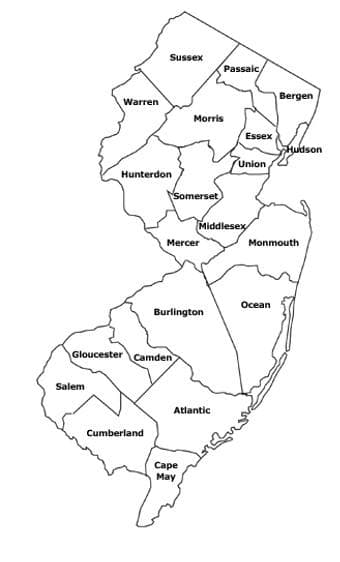
New Jersey layers state mandates on top of federal law more heavily than most states: an indexed minimum wage, earned sick leave for every employee, state-run family leave and disability insurance, a wage theft law with treble damages, and a pay transparency requirement. The New Jersey Department of Labor and Workforce Development (NJDOL) Division of Wage and Hour Compliance enforces the Wage and Hour Law, the Wage Payment Law, the Earned Sick Leave Law, and the child labor rules.
- New Jersey's minimum wage is $15.92 an hour for most employers in 2026, $15.23 for seasonal and small employers with fewer than 6 workers, and $6.05 cash for tipped employees, all indexed every January 1
- Overtime is due after 40 hours in a workweek at 1.5 times the regular rate; there is no daily overtime and the exempt salary floor is the federal $684 a week
- Every employer must provide earned sick leave at 1 hour for every 30 hours worked, up to 40 hours a year, with 40 hours of carryover or a front-loaded grant
- Final wages are due by the next regular payday for both discharges and resignations, and the Wage Theft Act adds liquidated damages of up to 200 percent for unpaid wages
- Employers with 10 or more employees must disclose pay ranges in job postings under the pay transparency law in effect since June 1, 2025
Minimum Wage in New Jersey
New Jersey's minimum wage is $15.92 per hour for most employers in 2026. Seasonal employers and businesses with fewer than 6 employees pay $15.23, agricultural workers earn $14.20, and tipped employees may be paid a $6.05 cash wage with a $9.87 tip credit as long as tips bring them to the full rate. The rate is adjusted every January 1 by the CPI-W, and no city or county may set its own rate for private employers.
For the tier table, the tipped rules, and the 2027 adjustment, see the New Jersey minimum wage guide.
Overtime Rules
The New Jersey Wage and Hour Law requires overtime at 1.5 times the regular rate for hours over 40 in a workweek, matching the federal FLSA. There is no daily overtime and no premium for weekends or holidays. The state's exemptions track the federal executive, administrative, professional, and outside sales categories, and NJDOL uses the federal $684 per week salary floor rather than a higher state figure.
Worked example at the minimum wage: an employee paid $15.92 works 45 hours. Regular pay is 40 hours at $15.92 ($636.80) plus 5 hours at $23.88 ($119.40), for $756.20 gross. The overtime calculator handles other rates and schedules, and our overtime pay laws in the US guide compares state rules.
One New Jersey-specific point: the state Supreme Court ruled in Musker v. Suuchi (March 2025) that commissions are wages under the Wage Payment Law, so unpaid commissions carry the same penalties as unpaid hourly pay.
Meal and Rest Breaks
New Jersey has no meal or rest break requirement for adult employees, so the federal FLSA rules apply: short breaks of 5 to 20 minutes are paid time, and a bona fide meal period of 30 minutes or more can be unpaid if the employee is fully relieved of duty. Minors are different. The NJDOL child labor law page states that "no minor under eighteen years of age shall be employed or permitted to work for more than six hours continuously without an interval of at least thirty minutes for a lunch period."
| Break type | Requirement | Applies to |
|---|---|---|
| Meal period, adults | Not required by state law; unpaid only if duty-free (federal rule) | All adult employees |
| Rest break, adults | Not required; if given, breaks under 20 minutes are paid | All adult employees |
| Meal period, minors | 30 minutes after no more than 6 continuous hours (the child labor statute is commonly cited as 5 hours; confirm with NJDOL) | Under 18 |
Employers that promise breaks in a handbook or contract must honor them. The break time calculator shows a sensible break schedule for any shift length, and our rest and meal break laws by state guide covers the states that do mandate breaks.
Paid Sick Leave and Other Leave
The Earned Sick Leave Law (N.J.S.A. 34:11D-1 et seq.) covers full-time, part-time, and temporary employees at employers of every size. NJDOL's earned sick leave page states that employees accrue "1 hour of earned sick leave for every 30 hours worked, up to a maximum of 40 hours of leave per benefit year," may "carry over up to 40 hours of unused earned sick leave to the next benefit year," and that employers may instead "advance employees with at least 40 hours of earned sick leave on the first day of the benefit year." Employees may begin using leave on the 120th day of employment. Permitted uses include the employee's or a family member's health needs, domestic or sexual violence matters, public health closures, and a child's school-related meeting or event. Unionized construction workers, per diem healthcare employees, and public employees with separate sick leave are excluded.
| Leave type | New Jersey rule |
|---|---|
| Earned sick leave | 1 hour per 30 hours worked, 40 hours a year, all employers; 40 hours carryover or front-loading |
| Family Leave Insurance | State insurance paying up to 12 weeks (or 56 intermittent days) for bonding or caregiving; maximum weekly benefit $1,119 in 2026 with a 0.23 percent employee contribution; confirm current figures with NJDOL |
| Temporary Disability Insurance | Partial wage replacement for up to 26 weeks of non-work disability, including pregnancy; maximum weekly benefit $1,119 in 2026; confirm current figures |
| Family Leave Act | 12 weeks of job-protected leave in a 24-month period at employers with 30 or more employees |
| Federal FMLA | 12 weeks unpaid at employers with 50 or more employees |
| Jury duty | Employers may not penalize an employee for jury service; unpaid |
| Military | Federal USERRA plus state protections |
| SAFE Act | 20 days of unpaid leave in a 12-month period for victims of domestic or sexual violence at employers with 25 or more employees |
See paid sick leave laws in the US for a state comparison and jury duty laws in the US for court leave.
PTO Payout and Final Paychecks
Under the Wage Payment Law (N.J.S.A. 34:11-4.3), an employer must pay a separated employee all wages due no later than the next regular payday, whether the employee was discharged or quit. Disputed amounts may be withheld only in good faith while the undisputed balance is paid. The 2019 Wage Theft Act added liquidated damages of up to 200 percent of unpaid wages, a 6-year lookback, and criminal exposure for willful violations, so missing a final payday in New Jersey is expensive.
Payout of unused vacation or PTO follows the employer's written policy; New Jersey does not require it by statute, and earned sick leave does not have to be paid out unless the policy says so. Our PTO payout laws by state guide has the details.
Pay frequency: most employees must be paid at least twice a month on regular paydays designated in advance, and within 10 days of the end of the pay period. Executives, supervisors, and other specified classes may be paid monthly. Wage statements must show gross and net pay, rate, hours worked, and deductions.
Exempt vs Non-Exempt Employees
New Jersey applies the federal duties tests and the federal salary floor of $684 per week, with no higher state threshold. A salaried employee below that floor, or one whose duties fail the executive, administrative, or professional tests, is non-exempt and owed overtime. The state's overtime exemptions also cover some transportation, farm, and seasonal amusement workers. Our exempt vs non-exempt employees guide and the FLSA exemption flowchart cover the tests.
Child Labor Rules
Minors under 18 must complete a one-time registration in NJDOL's working papers database before starting work, replacing the old school-issued employment certificate. The NJDOL child labor page sets the hours.
| Age group | School week | Non-school period | Hours of day |
|---|---|---|---|
| 14 and 15 | 3 hours on a school day, 18 hours in a school week; 8 hours on a non-school day | Up to 40 hours a week from the last day of school to Labor Day, until 9 PM | 7 AM to 7 PM; 9 PM in summer |
| 16 and 17 | 8 hours a day, 40 hours a week, 6 days a week | Up to 10 hours a day and 50 hours a week from the last day of school to Labor Day | 6 AM to 11 PM (later in summer with parental consent for some jobs) |
| All minors | 30-minute meal break after no more than 6 continuous hours |
See child labor laws in the US for the federal rules that also apply.
Other New Jersey Employment Rules
- Pay transparency. Since June 1, 2025, employers with 10 or more employees must disclose the pay range and a general description of benefits in postings for jobs and transfers, and must make reasonable efforts to tell current employees about promotion opportunities.
- Temporary Workers Bill of Rights. Staffing agencies and their clients owe temporary workers in designated occupations pay and benefits equal to the client's direct employees, plus detailed assignment notices.
- Captive audience ban. The Worker Freedom from Employer Intimidation Act, expanded in December 2025, bars mandatory meetings about the employer's political or religious views.
- Mini-WARN. The Millville Dallas Airmotive Plant Job Loss Notification Act requires 90 days' notice and severance of 1 week per year of service for mass layoffs at employers with 100 or more employees.
- Salary history. Employers may not ask applicants about salary history.
- Marijuana. The Cannabis Regulatory, Enforcement Assistance, and Marketplace Modernization Act limits adverse action based solely on cannabis use outside work.
Hiring, Termination, and Record-Keeping
New Jersey is an at-will state with exceptions for discrimination, retaliation, and public policy. The Law Against Discrimination covers employers of every size and protects more than 20 characteristics, and the Division on Civil Rights enforces it. The Conscientious Employee Protection Act is one of the broadest whistleblower laws in the country.
Employers must keep payroll records for 6 years showing hours worked, wages, and earned sick leave accrued and used, and must post the wage and hour, earned sick leave, family leave insurance, and anti-discrimination notices. Because the wage theft penalties are steep, accurate time records are the best defense; a time card calculator and a written timekeeping policy keep weekly totals and overtime auditable.
Frequently Asked Questions
Is New Jersey an at-will state? Yes, with exceptions for discrimination, retaliation, whistleblowing, and public policy.
Does New Jersey require lunch breaks? Not for adults. Minors under 18 must get a 30-minute meal break after no more than 6 continuous hours.
When is overtime paid in New Jersey? After 40 hours in a workweek at 1.5 times the regular rate; there is no daily overtime.
When is the final paycheck due in New Jersey? By the next regular payday, whether the employee quit or was fired.
Does New Jersey have paid sick leave? Yes. Every employer must provide earned sick leave at 1 hour for every 30 hours worked, up to 40 hours a year.
How many hours can a minor work in New Jersey? 14 and 15 year olds are limited to 3 hours on a school day and 18 in a school week; 16 and 17 year olds may work 8 hours a day and 40 a week, rising to 10 and 50 in summer.
Does New Jersey require pay ranges in job postings? Yes. Since June 1, 2025, employers with 10 or more employees must include the pay range and benefits in job and transfer postings.
Does New Jersey pay out unused PTO? Only if the employer's written policy provides for it.
Sources
- NJDOL: Earned Sick Leave Is the Law in New Jersey
- NJDOL: Child Labor Laws
- NJDOL: Wage and Hour Laws
- N.J.S.A. 34:11D-2: Provision of earned sick leave
- US Department of Labor: State minimum wage laws
Reviewed September 2026
Laws change through legislation, agency rules, and court decisions. The Family Leave Insurance and Temporary Disability Insurance benefit and contribution figures, the 120-day waiting period, the minor meal break threshold, the pay frequency details, the SAFE Act and mini-WARN thresholds, and the 6-year record retention rule are stated from general knowledge of New Jersey statutes and prior NJDOL notices and should be confirmed with NJDOL before you rely on them.
Wage Theft Penalties Reward Good Records
HiveDesk tracks hours, breaks, and overtime automatically and keeps the timesheet history New Jersey's 6-year lookback demands, so every final paycheck and sick leave balance is backed by data. $5/user/month, 14-day free trial.