

Pennsylvania Labor Law Guide 2026: Wages, Overtime, Breaks, and Leave
Pennsylvania labor laws for employers in 2026: the $7.25 minimum wage with a $2.83 tipped cash wage, overtime after 40 hours under the Minimum Wage Act, no adult break mandate, no statewide paid sick leave but Philadelphia and Pittsburgh ordinances, final pay by the next regular payday, and youth work permits.
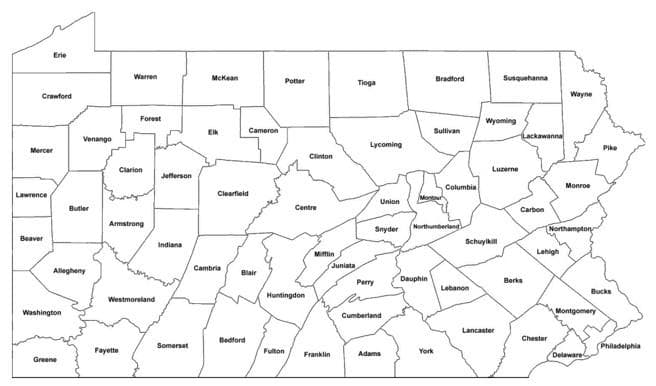
Pennsylvania keeps the federal $7.25 minimum wage but layers its own rules on top: the Minimum Wage Act governs overtime and the 2022 tipped-employee regulations, the Wage Payment and Collection Law (WPCL) sets paydays and final pay with a 25 percent penalty, the Child Labor Act sets some of the most specific youth hour limits in the country, and Philadelphia and Pittsburgh add paid sick leave. The Department of Labor and Industry (L&I) Bureau of Labor Law Compliance enforces all of them.
- Pennsylvania's minimum wage is the federal $7.25, unchanged since 2009, with a $2.83 tipped cash wage that requires at least $135 a month in tips and the 80/20 rule from the 2022 regulations
- Overtime is due after 40 hours at 1.5 times the regular rate under the Minimum Wage Act, and Pennsylvania does not allow the fluctuating-workweek half-time method for salaried non-exempt employees
- Adults have no break entitlement, but every minor must get a 30-minute meal period on or before 5 consecutive hours of work
- There is no statewide paid sick leave; Philadelphia requires 40 hours of paid leave at employers with 10 or more employees and Pittsburgh has its own ordinance
- Final wages are due by the next regular payday, and wages unpaid 30 days past that date carry liquidated damages of 25 percent or $500, whichever is greater
Minimum Wage in Pennsylvania
Pennsylvania's minimum wage is $7.25 per hour, equal to the federal rate since July 2009. Tipped employees may be paid $2.83 an hour if they receive at least $135 a month in tips and spend no more than 20 percent of their time on non-tipped work, under regulations that took effect in August 2022. The Minimum Wage Act preempts local rates, so Philadelphia and Pittsburgh cannot raise the floor for private employers, although both require higher pay from city contractors. A bill to raise the state rate to $15 has passed the House more than once but had not been enacted as of September 2026.
For the tipped rules, the pending proposal, and neighboring-state comparisons, see the Pennsylvania minimum wage guide.
Overtime Rules
The Pennsylvania Minimum Wage Act requires overtime at 1.5 times the regular rate for hours over 40 in a workweek, with no daily overtime. The state follows the federal duties tests and the federal $684 per week salary floor after repealing its own higher threshold in 2021. Two differences from federal law matter for payroll. First, Pennsylvania does not permit the fluctuating-workweek method: a salaried non-exempt employee must receive 1.5 times the regular rate for every overtime hour, not half-time, following the state Supreme Court's 2019 Chevalier decision and the 2022 regulations. Second, the 2022 regulations require that the regular rate for tipped employees be calculated on the full minimum wage, not the cash wage.
Worked example at the minimum wage: an employee paid $7.25 works 45 hours. Regular pay is 40 hours at $7.25 ($290.00) plus 5 hours at $10.88 ($54.38), for $344.38 gross. The overtime calculator handles other rates, and our overtime pay laws in the US guide compares states.
Meal and Rest Breaks
Pennsylvania does not require meal or rest breaks for employees aged 18 and older, so the federal rules apply: breaks of 5 to 20 minutes are paid, and a bona fide meal period of 30 minutes or more can be unpaid if the employee is completely relieved of duty. The Child Labor Act is stricter. L&I's Child Labor Act page states that all child workers must receive "a 30-minute meal period on or before five consecutive hours of work."
| Break type | Requirement | Applies to |
|---|---|---|
| Meal period, adults | Not required by state law; unpaid only if duty-free | 18 and older |
| Rest break, adults | Not required; breaks under 20 minutes are paid if given | 18 and older |
| Minors | 30-minute meal period on or before 5 consecutive hours of work | Under 18 |
| Lactation | Reasonable break time and a private space under federal law | All employers |
The break time calculator suggests a schedule for any shift, and our rest and meal break laws by state guide lists the states with mandates.
Paid Sick Leave and Other Leave
Pennsylvania has no statewide paid sick leave law. Two cities do. Philadelphia's Promoting Healthy Families and Workplaces ordinance requires employers with 10 or more employees to provide paid sick leave at 1 hour for every 40 hours worked in the city, up to 40 hours a year, and smaller employers to provide the same amount unpaid; the city expanded the ordinance in 2025. Pittsburgh's Paid Sick Days Act requires 40 hours of paid leave at employers with 15 or more employees and 24 hours at smaller ones, at 1 hour per 35 hours worked. Allegheny County adopted a similar ordinance for employers with 26 or more employees.
| Leave type | Pennsylvania rule |
|---|---|
| Paid sick leave | No statewide law; Philadelphia (10 or more employees, 40 hours), Pittsburgh (15 or more, 40 hours; fewer, 24 hours), and Allegheny County ordinances |
| Federal FMLA | 12 weeks unpaid at employers with 50 or more employees; Pennsylvania has no state paid family leave program |
| Jury duty | Employers may not discharge or penalize an employee for jury service; unpaid, except that employers with 15 or more employees in retail or service must not require use of leave |
| Voting | No state voting leave statute |
| Military | Federal USERRA plus state protections for National Guard members |
| Crime victims | Leave to attend court proceedings, unpaid |
See paid sick leave laws in the US for a national comparison and jury duty laws in the US for court leave.
PTO Payout and Final Paychecks
Under the Wage Payment and Collection Law, wages earned by an employee who is separated from the payroll or who quits are due no later than the next regular payday. If wages remain unpaid 30 days past that payday without a good-faith dispute, the employee is entitled to liquidated damages of 25 percent of the amount due or $500, whichever is greater, plus attorney fees. The WPCL applies to any earned compensation, including bonuses and commissions that have become payable.
Payout of unused vacation or PTO follows the employer's written policy; Pennsylvania courts treat promised vacation as wages under the WPCL, so a policy that provides for payout is enforceable and one that clearly provides for forfeiture generally is too. Our PTO payout laws by state guide has the details.
Pay frequency: employers must designate regular paydays in advance and pay within 15 days of the end of the pay period if no other schedule is set. Wage statements must show hours, rate, gross wages, and deductions, and deductions beyond taxes and benefits are limited to those authorized by regulation or the employee's written authorization for the employee's benefit.
Exempt vs Non-Exempt Employees
Pennsylvania applies the federal duties tests and the federal $684 per week salary floor. The state repealed its 2020 regulation that would have raised the threshold, so no higher state figure applies. A salaried employee below the floor or outside the executive, administrative, or professional categories is non-exempt, and because the state bars the fluctuating-workweek method, misclassification costs more in Pennsylvania than under federal law alone. Our exempt vs non-exempt employees guide and the FLSA exemption flowchart cover the tests.
Child Labor Rules
Every minor aged 14 to 17 must obtain a work permit from their school district's issuing officer, with proof of age and a parent's written permission, and the L&I page sets the hours.
| Age group | School week | Vacation | Hours of day |
|---|---|---|---|
| 14 and 15 | 3 hours on a school day, 18 hours in a school week | 8 hours a day, 40 hours a week | 7 AM to 7 PM in school weeks; 7 AM to 9 PM in vacation |
| 16 and 17 | 8 hours on a school day, 28 hours in a school week | 10 hours a day, 48 hours a week | 6 AM to midnight in school weeks; 6 AM to 1 AM in vacation |
| All minors | 30-minute meal period on or before 5 consecutive hours; no more than 6 days a week |
Prohibited occupations include crane operation, electrical work, excavation, roofing, woodworking, and demolition. See child labor laws in the US for the federal baseline.
Other Pennsylvania Employment Rules
- Tipped employee rules. The 2022 regulations raised the tip threshold to $135 a month, adopted the 80/20 rule, barred deducting credit card fees from tips, and allowed tip pools that exclude managers.
- Philadelphia Fair Workweek. Retail, food service, and hospitality employers with 250 or more employees and 30 or more locations worldwide must give advance schedules and predictability pay.
- Salary history. Philadelphia bars employers from asking about salary history; the state has no ban.
- Healthcare non-competes. Act 74 of 2024 limits non-competes for physicians and other healthcare practitioners to 1 year and voids them after a dismissal without cause.
- Construction E-Verify. The Construction Industry Employee Verification Act requires E-Verify for construction employers.
- Local preemption. The Minimum Wage Act bars local minimum wages, but cities may adopt paid leave and scheduling ordinances.
Hiring, Termination, and Record-Keeping
Pennsylvania is an at-will state with exceptions for discrimination, retaliation, and a narrow public policy doctrine. The Pennsylvania Human Relations Act covers employers with 4 or more employees, and the Human Relations Commission enforces it; Philadelphia and Pittsburgh add local protections.
Employers must keep payroll records for 3 years showing hours worked each day and week, wages, and deductions, and must post the Minimum Wage Act, Child Labor Act, and workers' compensation notices with the federal posters. Because the fluctuating-workweek ban and the minor meal break rule both depend on precise hours, a time card calculator and a written timekeeping policy keep weekly totals defensible.
Frequently Asked Questions
Is Pennsylvania an at-will state? Yes, with exceptions for discrimination, retaliation, and a narrow public policy doctrine.
Does Pennsylvania require lunch breaks? Not for adults. Minors under 18 must receive a 30-minute meal period on or before 5 consecutive hours of work.
When is overtime paid in Pennsylvania? After 40 hours in a workweek at 1.5 times the regular rate; salaried non-exempt employees must receive full time-and-a-half, not half-time.
When is the final paycheck due in Pennsylvania? By the next regular payday, whether the employee quit or was fired.
Does Pennsylvania have paid sick leave? Not statewide. Philadelphia requires 40 hours of paid sick leave at employers with 10 or more employees, and Pittsburgh and Allegheny County have their own ordinances.
How many hours can a minor work in Pennsylvania? 14 and 15 year olds are limited to 3 hours on a school day and 18 in a school week; 16 and 17 year olds may work 8 hours on a school day and 28 in a school week, rising to 10 hours a day and 48 a week in vacation.
Is Pennsylvania's minimum wage going up? No increase was enacted as of September 2026; a $15 proposal remains pending in the General Assembly.
Does Pennsylvania pay out unused PTO? Only if the employer's written policy provides for it.
Sources
- L&I: Child Labor Act
- Wage Payment and Collection Law, Act 329 of 1961
- 43 P.S. § 260.3: Regular payday
- City of Philadelphia: Paid sick leave
- US Department of Labor: State minimum wage laws
Reviewed September 2026
L&I's Wage Payment and Collection Law page did not respond to automated requests, so the final pay and penalty rules are taken from the statute text. The Pittsburgh and Allegheny County sick leave thresholds, the jury duty and crime victim leave rules, the Fair Workweek thresholds, the fluctuating-workweek analysis, and the record retention period are stated from general knowledge and should be confirmed with L&I or counsel before you rely on them.
Full Time-and-a-Half Needs Full Records
HiveDesk tracks hours automatically and produces weekly timesheets that make Pennsylvania's overtime, minor meal break, and next-payday rules easy to prove. $5/user/month, 14-day free trial.