
Remote Work Trends 2026: What's Actually Ahead
Six remote work trends shaping 2026: AI agents on distributed teams, async-first operations, hybrid stabilization, outcome-based measurement, and more.


Insights on workforce management, time tracking, remote team productivity, and contact center operations.
Six remote work trends shaping 2026: AI agents on distributed teams, async-first operations, hybrid stabilization, outcome-based measurement, and more.

Minimum wage for all 50 states and DC as of July 2026 — from $7.25 to $18.40 — plus scheduled increases, local variations, and compliance rules.

How creative agencies manage projects without killing creativity. Workflows for scope control, time tracking, capacity planning, and client profitability.

How IT help desks use time tracking to improve SLA compliance, allocate resources, bill clients accurately, and identify training gaps.

How MSPs can track billable hours accurately, reduce revenue leakage on break-fix work, and generate client-facing time reports.

Average working hours by country for 50+ nations. Weekly and annual data, industry breakdowns, and trends shaping the global workforce.

Is employee monitoring ethical? What research says about monitoring and productivity, legal boundaries, and a five-principle framework for doing it right.

What buddy punching is, how much it costs employers, and practical prevention methods including automatic time tracking, screenshots, and timesheet approvals.

What DCAA compliance requires for timekeeping, common audit findings, and how to build a compliant system with the right time tracking software.

Time to decimal conversion chart for payroll. Convert minutes to decimal hours, learn FLSA rounding rules, and simplify payroll processing.

Learn what a timesheet is, the different types, paper vs. software options, what to include, and best practices for managing employee timesheets.

How the 4/10 work schedule works — four 10-hour days per week, overtime rules, state considerations, and implementation steps.

How the 9/80 schedule gives employees every other Friday off — the two-week calendar, whether it's worth it, and the FLSA rule that trips up payroll.

The DuPont rotating shift schedule explained — 4-week cycle, visual crew calendar, pros and cons, overtime rules, and implementation steps.

Is holiday pay required? How to calculate it for hourly and salaried employees, which states have specific rules, and how holiday hours interact with overtime.

Which states and cities have predictive scheduling laws, what they require, minimum time between shifts, predictability pay, and how to stay compliant.

What utilization rate is, how to calculate it, industry benchmarks, and strategies to improve it without burning out your team.

What counts as off-the-clock work under FLSA, legal consequences for employers, common violations, and how to prevent them.
Key compliance requirements for contact centers — FLSA, TCPA, DNC, PCI-DSS, state-specific rules, and how to build compliance into daily operations.

A practical playbook for managing seasonal call volume surges — forecasting, staffing strategies, technology levers, agent preparation, and post-peak analysis.

Frameworks for daily huddles, weekly meetings, and monthly reviews in contact centers — agendas, facilitation tips, and making meetings drive performance.

The essential layers of a contact center tech stack — CCaaS, CRM, WFM, QA, knowledge base, and AI. What each does, how they connect, and what to skip.

Step-by-step guide to launching a virtual call center — tech stack, hiring, onboarding, security, workforce management, and scaling from 5 to 500 agents.

How to track employee attendance without destroying trust — policies, tools, and communication that build accountability.

A practical guide to automated time tracking — choosing the right software, configuration, rollout, and using time data to improve operations.

What works and what does not when building an outsourcing operation in India — hiring, management, communication, compliance, and scaling.

BPO pricing across 8 countries and major service types — customer support, technical support, back office, sales, and software development.

Indian business etiquette, communication norms, hierarchy, holidays, negotiation style, and management tips for companies outsourcing to India.

Real-world compliance failures in international hiring — from overtime miscalculations to misclassification to tax audits. What went wrong and how to avoid it.

How to onboard employees across cultures — a 90-day framework covering communication differences, holiday challenges, and building unity in distributed teams.

How to implement employee activity monitoring legally — what to track, privacy laws, transparency frameworks, and building trust.

A financial framework for budgeting global CX operations — BPO vs in-house cost models, hidden expenses, 3-year TCO analysis, and ROI benchmarks.

Hidden costs of global expansion — translation, time zone overhead, cultural integration, compliance, and management inflation.

Payment methods, salary structure, tax obligations, and compliance requirements for paying remote employees and contractors in India.

Communication frameworks, time zone strategies, cultural awareness, QA systems, and scaling playbooks for managing offshore customer experience teams.

Work culture in Colombia, Mexico, the Dominican Republic, and other LATAM countries — communication, hierarchy, and holidays.
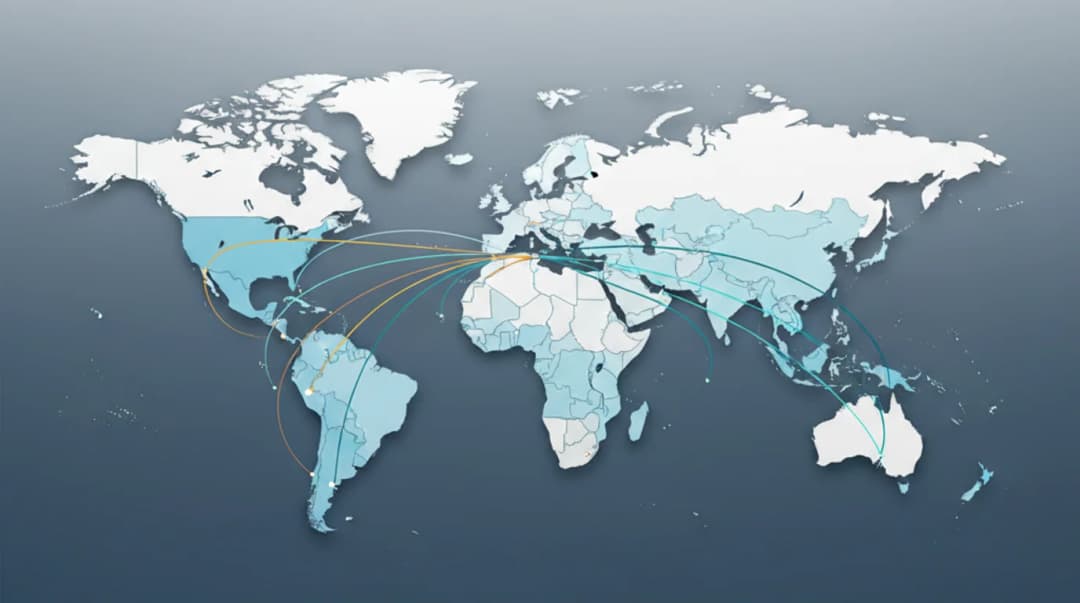
The practical differences between nearshore, offshore, and onshore outsourcing — costs, time zones, communication, and when to use each model.

A practical guide to outsourcing customer service and back-office operations to Colombia — costs, work culture, labor law basics, and how to get started.
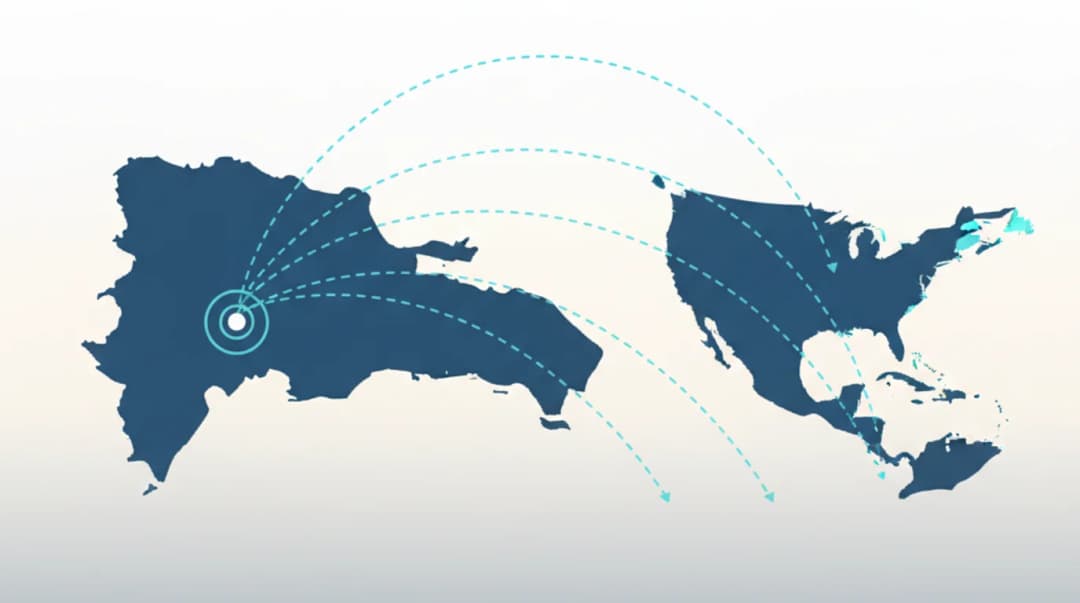
A practical guide to outsourcing customer service and back-office operations to the Dominican Republic — costs, talent, culture, and how to get started.

Every major shift rotation pattern explained — fixed, continuous, compressed, on-call, and annualized hours with pros and cons.

How to track hours for remote contractors and freelancers — tools, methods, agreements, and using time data for budgeting.

Understanding Filipino work culture is essential for managing CX teams. Communication norms, hierarchy, holidays, feedback styles, and retention strategies.
Compare 5 HotSchedules alternatives on ease of use, features, pricing, and scalability — plus what to look for when switching.
How to build a contact center business continuity plan — risk assessment, impact analysis, recovery strategies, and common pitfalls.
A decision framework for contact center outsourcing — objectives, partner evaluation, SLA negotiation, and transition planning.
Inbound vs outbound call centers compared — purpose, agent skills, technology, KPIs, compliance, and choosing the right model.
A guide to strategic outsourcing — tactical vs. strategic approaches, implementation blueprint, and common pitfalls to avoid.
What is quiet quitting, how to spot the signs, root causes, and practical strategies managers can use to re-engage their teams.
Time management techniques for remote contact center teams — time blocking, Pomodoro, KPI tracking, and coaching strategies.
Compare the 7 best employee time clock apps for 2026 — clock-in methods, mobile access, GPS tracking, integrations, and pricing.

What employee productivity tracking is, how it works, types of monitoring tools, ethical considerations, and how to implement it effectively.
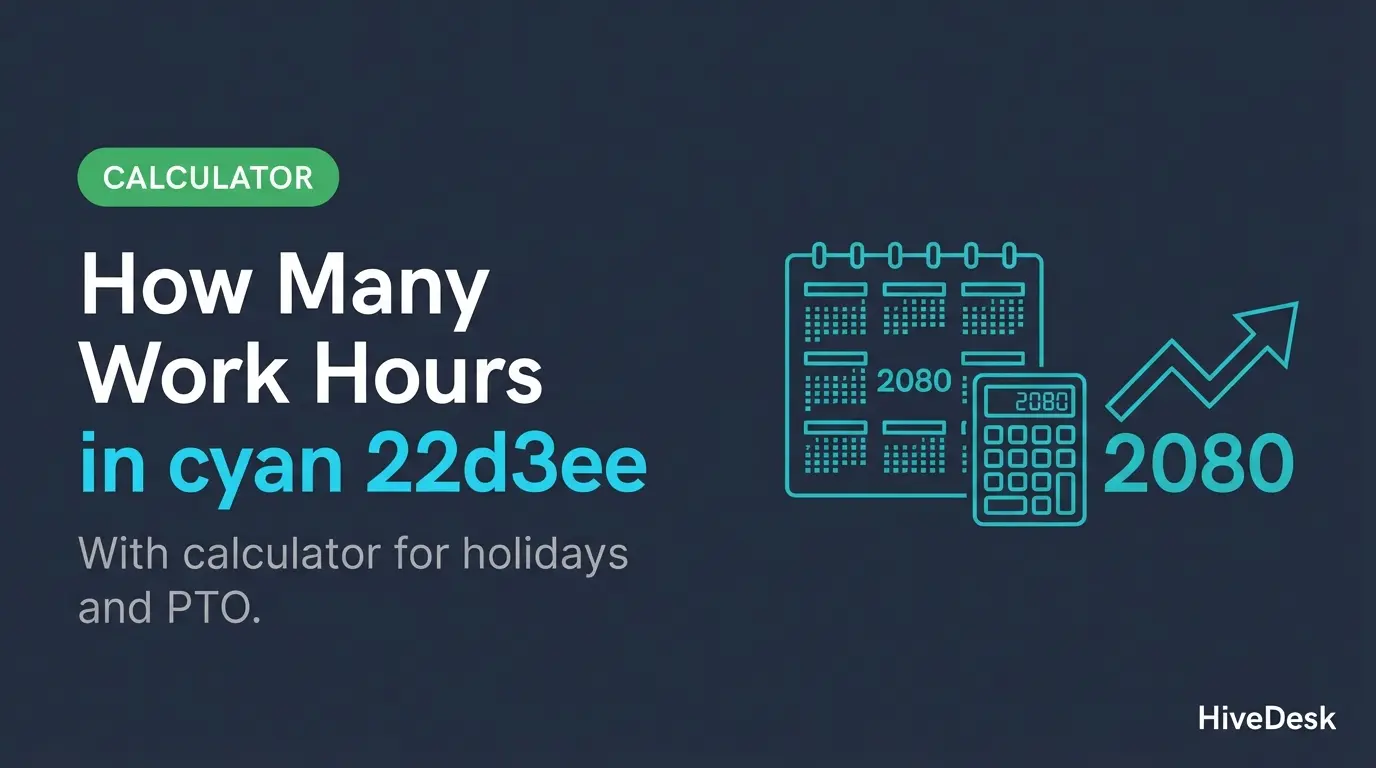
A standard work year is 2,080 hours, but PTO, holidays, and overtime change that. Calculate your actual annual work hours.
Learn how to calculate work hours step by step — including breaks, overtime, and different pay rates — with formulas, examples, and tips for error-free payroll.
How to track employee hours using manual methods, time tracking software, biometric systems, and mobile apps. Includes implementation steps.

How screenshot time tracking works, when it adds value, privacy considerations, ethical implementation tips, and how to choose the right tool.
How to connect time tracking and payroll systems — integration methods, data flow setup, common pitfalls, and streamlining the time-to-pay process.

Time tracking compliance guide for US employers — FLSA recordkeeping, overtime rules, state break laws, common violations, and penalties.

How consultants track billable hours, generate client reports, and use time data to improve project profitability. Solo, small firm, and team workflows.

How to choose time tracking software for small businesses — features that matter, pricing evaluation, and tools that fit small teams.
Guide to logging work hours — free templates, digital methods, best practices, and when to upgrade to time tracking software.
How to calculate, benchmark, and improve call center agent utilization — the formula, ideal ranges, and practical optimization strategies.
Data-driven call center schedule optimization — demand forecasting, Erlang C calculations, dynamic scheduling, and key KPIs.
Build a contact center QA program — define standards, evaluation processes, coaching strategies, calibration, and continuous improvement.
What workforce optimization (WFO) is and how it integrates scheduling, quality management, and coaching to improve contact center performance.
How BPO companies can implement strategic workforce planning — from demand forecasting and gap analysis to talent development and continuous optimization.
How to improve BPO client billing — common blind spots, SLA optimization, automated billing technology, and process improvements.
Learn what BPO is, how it works, and why companies outsource. Covers BPO types, benefits, challenges, and industry trends for 2026.
10 best employee monitoring software platforms for remote teams compared. Features, pricing, pros/cons, and ethical best practices.
Compare the 8 best workforce management software platforms for contact centers — forecasting, scheduling, real-time adherence, and pricing.

Employee time tracking guide — methods, software options, legal requirements, and best practices for remote and hybrid teams.
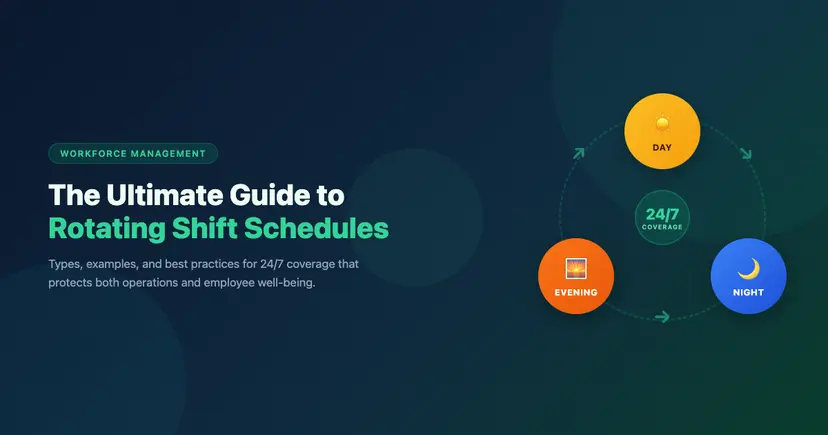
Rotating shift schedule types explained — DuPont, Pitman, 2-2-3, and more. Best practices for implementation and employee well-being.
Learn everything about call center workforce management (WFM) — from forecasting and scheduling to real-time management. The essential guide for beginners.
Hybrid work best practices for leaders. Strategies for communication, flexibility, tools, and culture to build a thriving workplace.
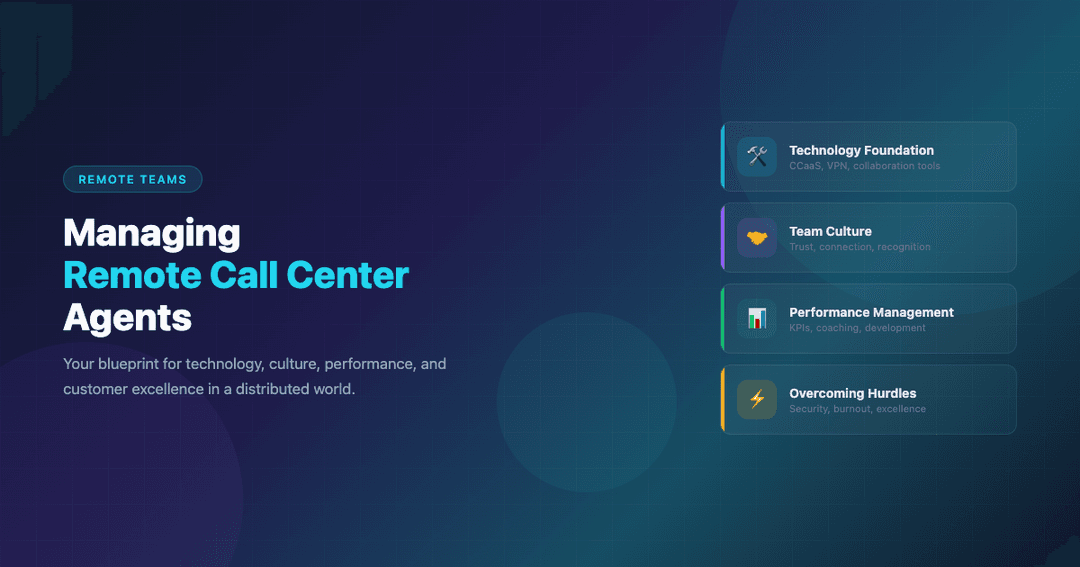
Guide to managing remote call center agents. Technology setup, team culture, performance management, and customer support tips.
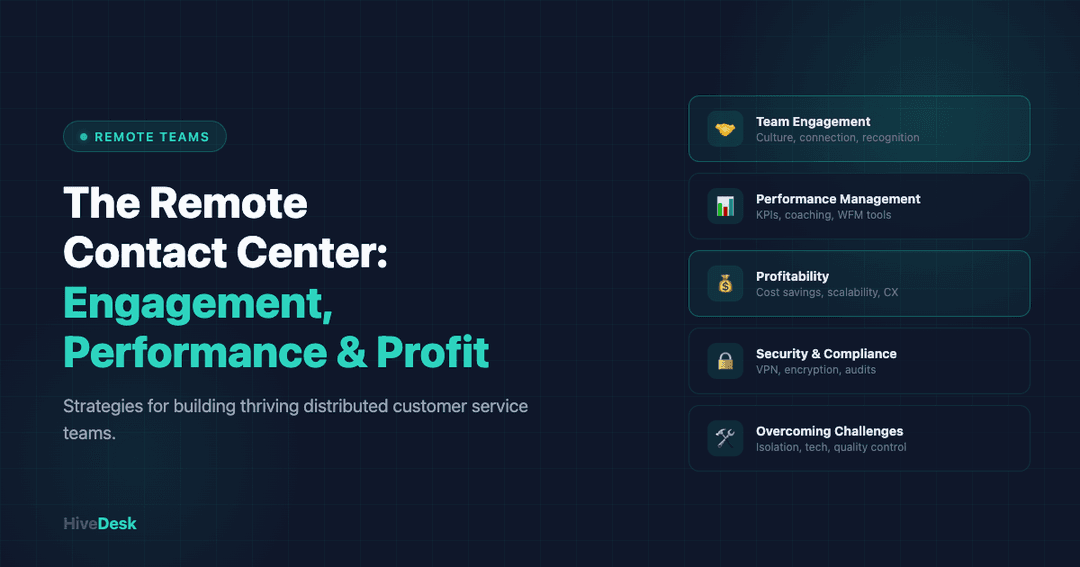
How to manage a remote contact center. Covers agent engagement, performance metrics, workforce management, and profitability.
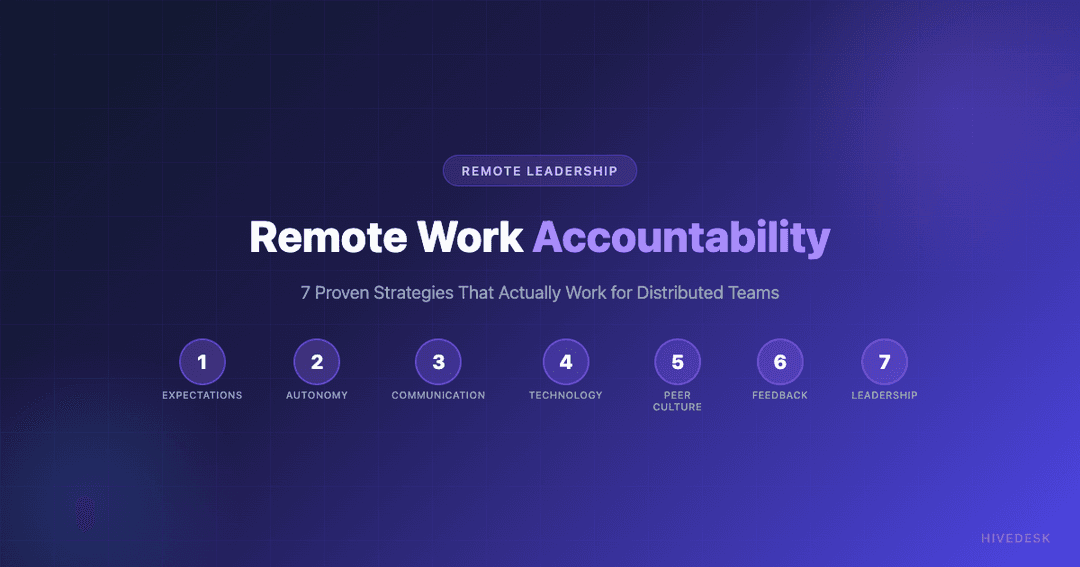
7 strategies for building accountability in remote teams. Set clear expectations, use the right tools, and foster trust and ownership.

Compare the best time tracking integrations for Asana. HiveDesk, Toggl, Clockify, Harvest, and Everhour compared on features, pricing, and ease of use.
BPO workforce management guide — forecasting, capacity planning, scheduling, real-time adherence, and performance optimization.
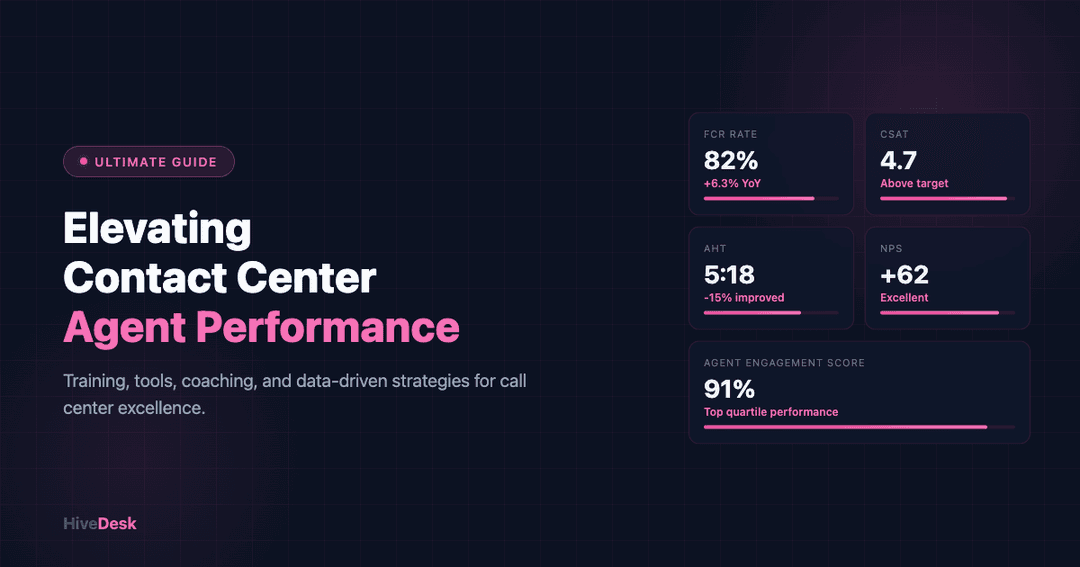
How to improve contact center agent performance — key KPIs, training strategies, workforce management, and data-driven coaching methods.
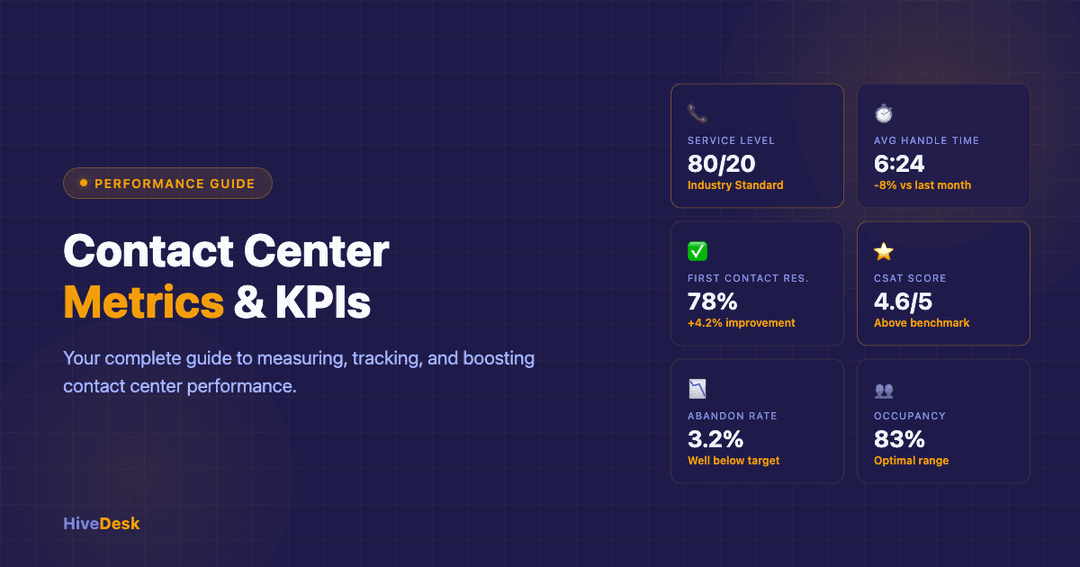
Essential contact center KPIs and call center metrics — customer satisfaction, operational efficiency, agent performance, and financial health.
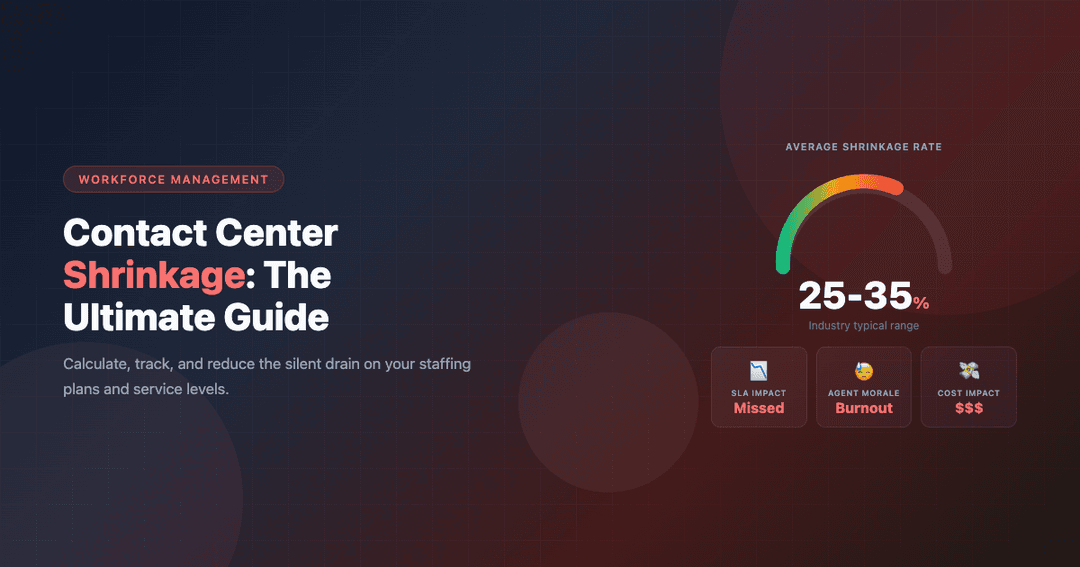
How to calculate call center shrinkage, identify root causes, and implement strategies to reduce it and improve service levels.
Employee scheduling guide — strategies, tools, compliance, forecasting, and best practices to optimize shifts and reduce labor costs.
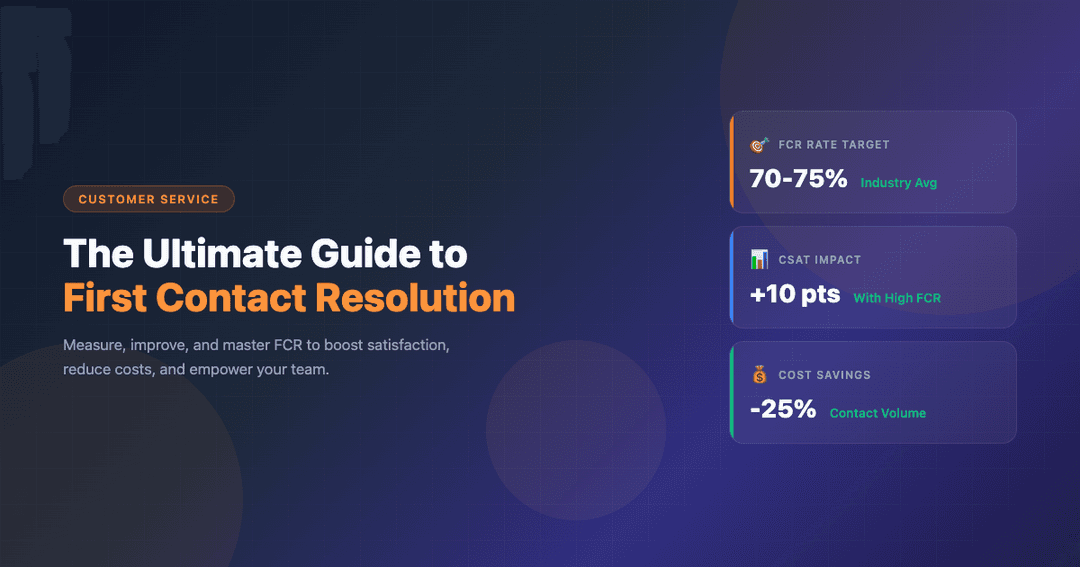
First Contact Resolution (FCR) guide — measurement methods, root causes of low FCR, and actionable strategies to improve your rate.
HR compliance guide for hourly workers — wage and hour laws, employee classification, workplace safety, and strategies to stay compliant.
Guide to real-time agent monitoring in call centers — implementation strategies, performance metrics, and best practices for better outcomes.
How shift differential pay works, typical rates by industry, legal requirements, and step-by-step calculation guide. Night, weekend, and holiday examples.
Call center workforce management guide — forecasting, scheduling, adherence, intraday management, and performance optimization best practices.
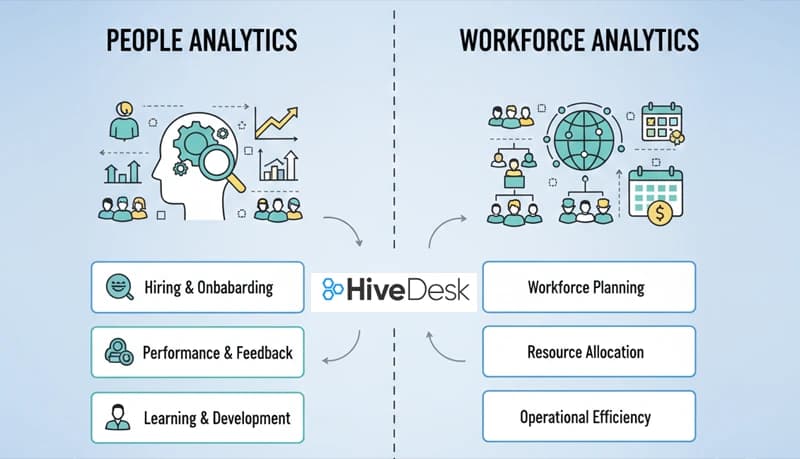
People analytics vs. workforce analytics in contact centers — what each covers, who owns it, where they overlap, and which decisions each one drives.

How to schedule and manage breaks in contact centers without hurting service level — staggering, compliance, tracking adherence, and fixing common problems.
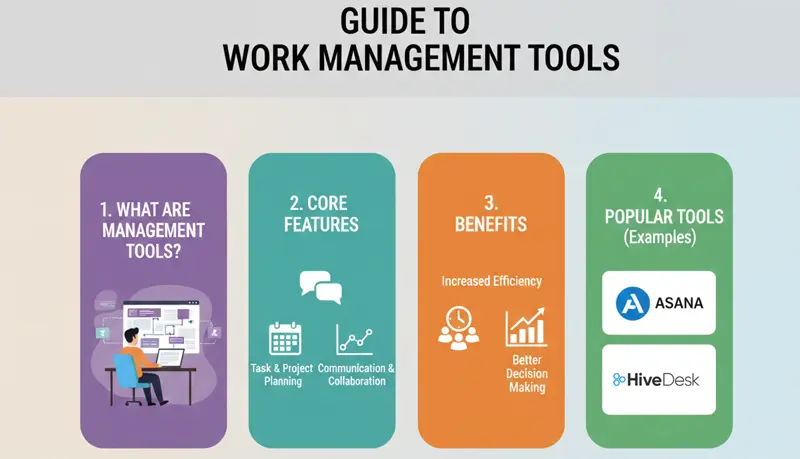
Compare work management tools for contact centers: WFM, CRM, QA, time tracking, and scheduling. Learn what each system does and which ones you actually need.
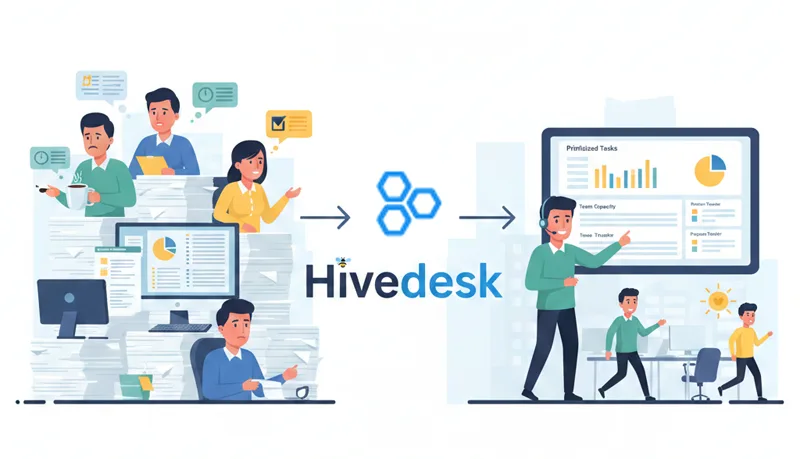
How workload management works in contact centers — measuring agent workload, diagnosing imbalance, and preventing burnout.
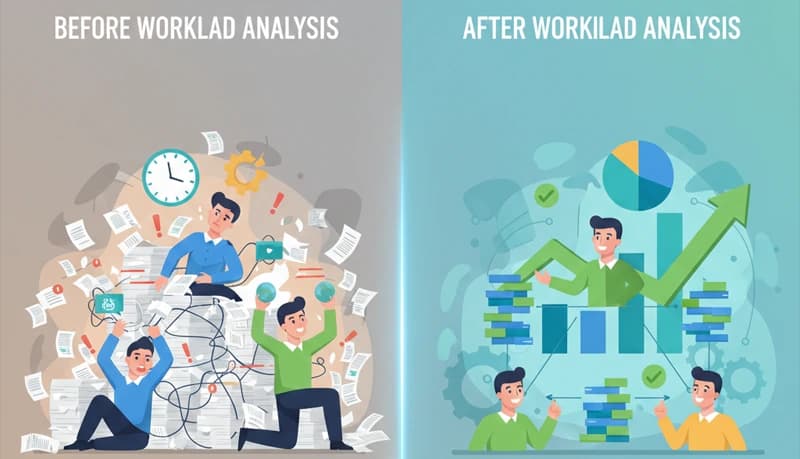
How to use workload analysis to find productivity problems in contact centers — staffing imbalances, scheduling gaps, and how to fix them.
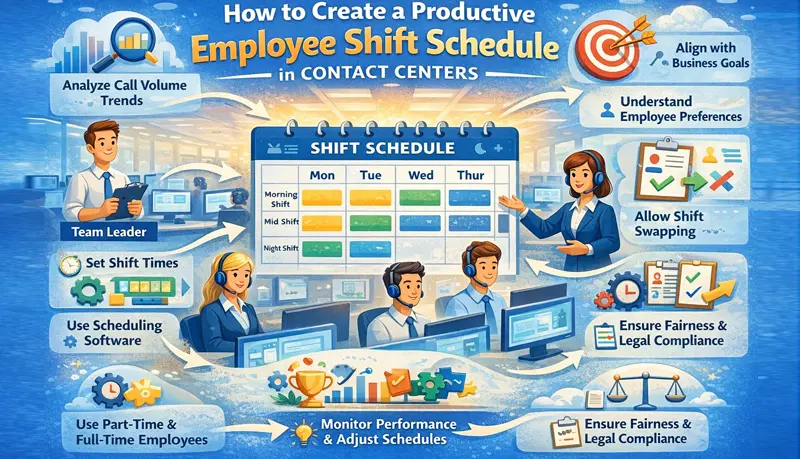
How to build a contact center shift schedule from forecast to published schedule — staffing needs, shift patterns, agent assignments, and break placement.
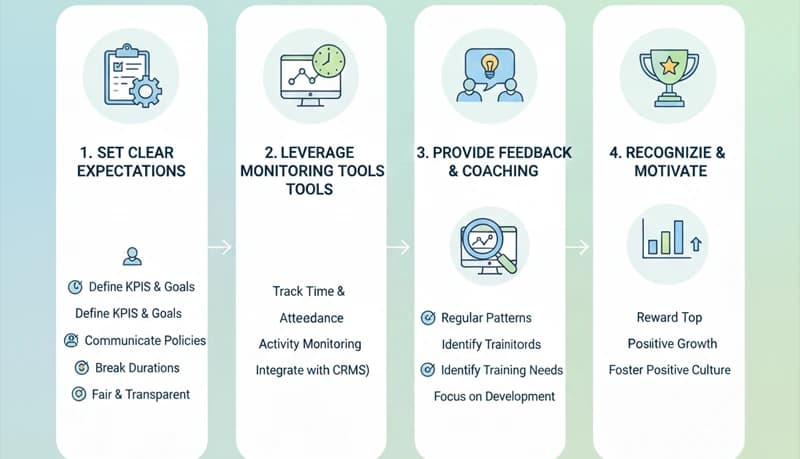
How contact center productivity monitoring works — data sources, what each signal means, and the monitoring-to-action process that drives improvement.

How to choose a time off tracker for contact centers — managing leave in shift-based operations and preventing coverage gaps.
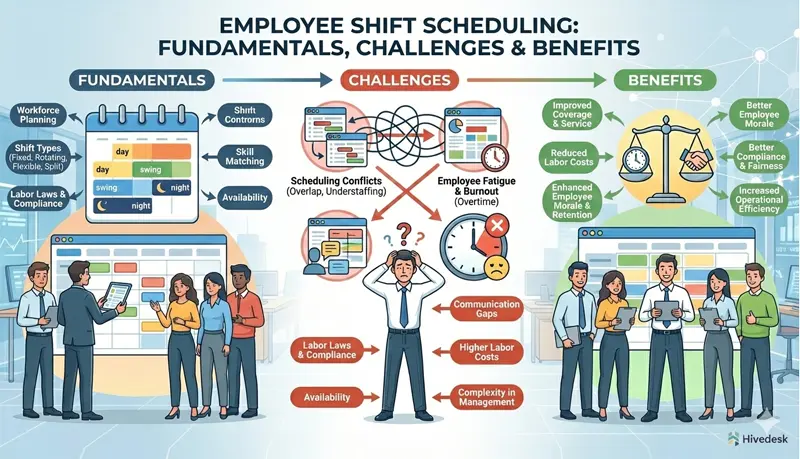
Shift scheduling fundamentals for call centers — shift types, days-off patterns, fixed vs rotating methods, and how scheduling drives service levels.

How to manage employee time off in contact centers — leave policies, concurrent limits, blackout periods, and coverage planning.

How to evaluate time tracking software for contact centers — the capabilities that matter for shift-based teams, what to skip, and how to test fit.
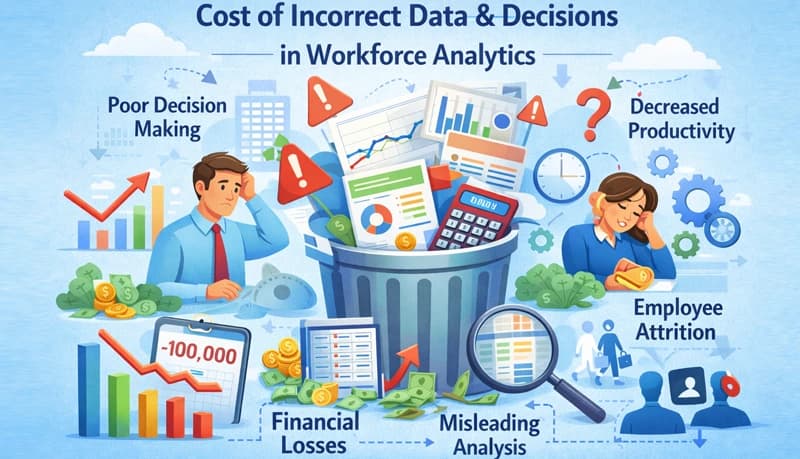
Common data errors in call center workforce analytics — wrong shrinkage, AHT baselines, and forecast inputs — plus what each costs and how to prevent them.
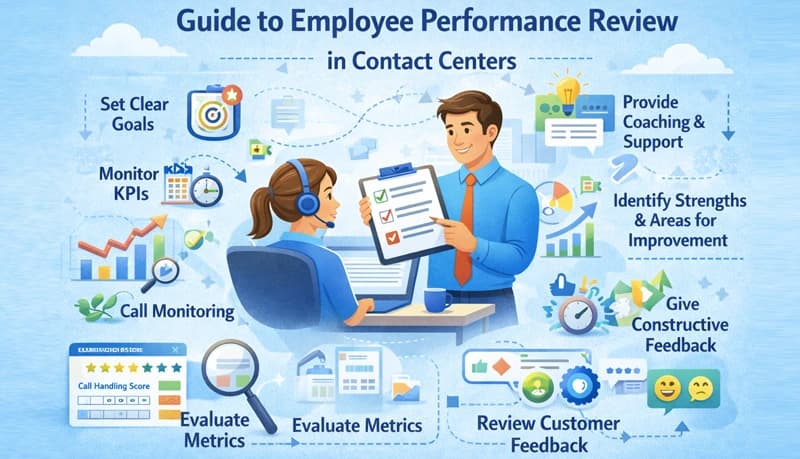
How to run performance reviews in call centers — metrics to evaluate, structuring reviews around data, rating frameworks, and handling common outcomes.
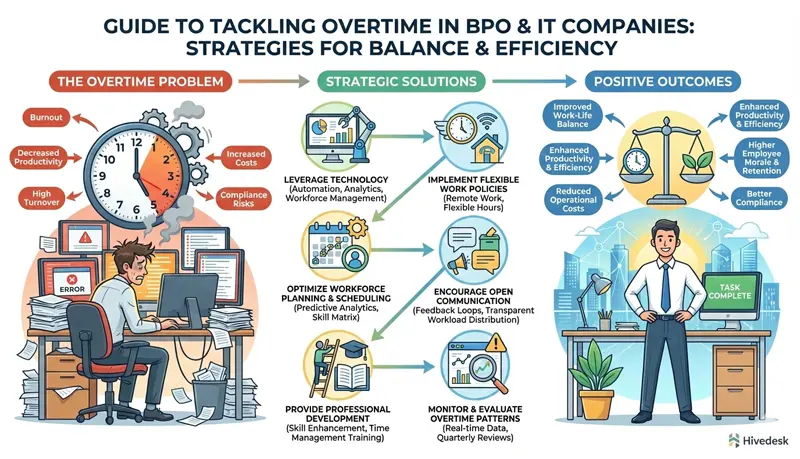
How to diagnose and reduce overtime in BPO operations — structural vs. occasional causes, cost analysis, and operational fixes.
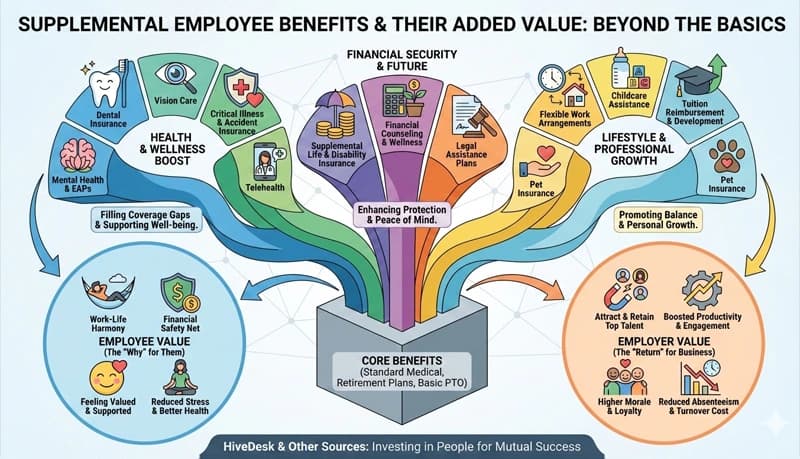
Which supplemental benefits actually reduce call center attrition? Cost analysis, ROI evaluation, and how to structure a benefits package.
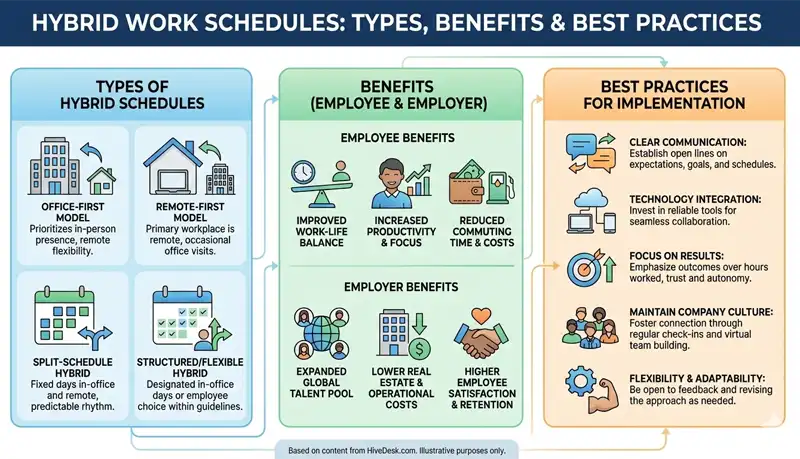
What a hybrid work schedule is and how to set one up. Compare 3/2, 4/1, and flexible models with pros, cons, and scheduling tips.
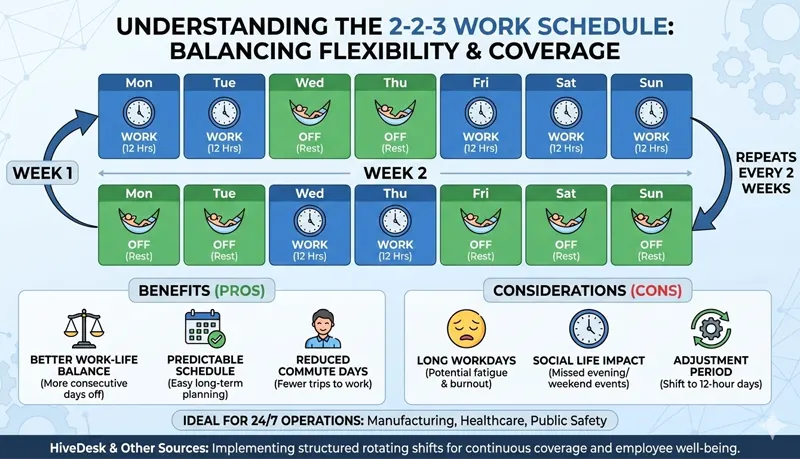
How the 2-2-3 work schedule (Panama schedule) works. Full rotation pattern, team sizing, pros and cons, and setup tips for 24/7 ops.
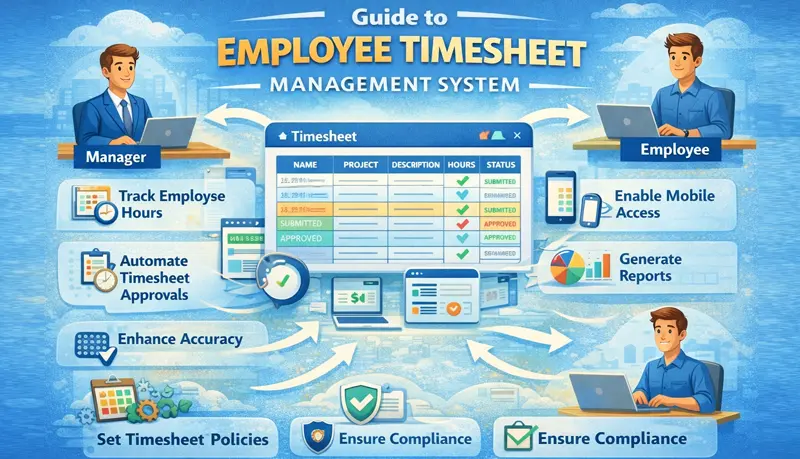
How to manage employee timesheets in call centers and BPOs — approval workflows, common errors, labor cost calculations, and compliance.

How call centers use time tracking data for shrinkage calculations, schedule adherence, labor cost analysis, and client billing decisions.
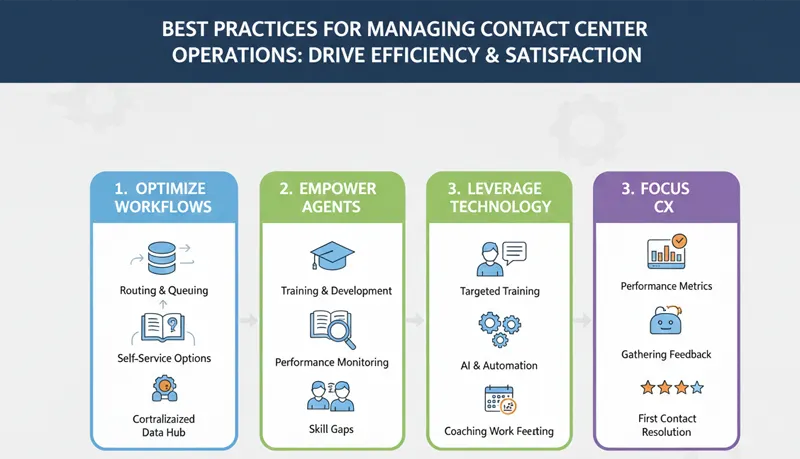
Daily and weekly management practices for contact center operations — how supervisors should spend their time and routines that prevent small problems.
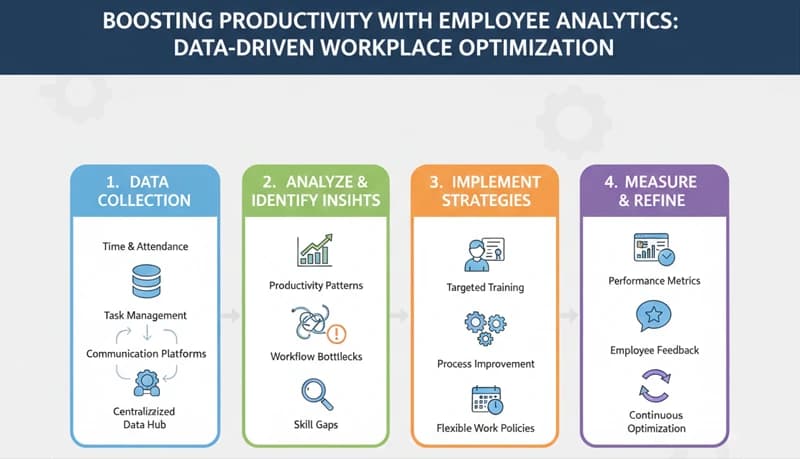
How to use workforce analytics to improve call center productivity — the data points that reveal real problems and how to connect metrics to better decisions.
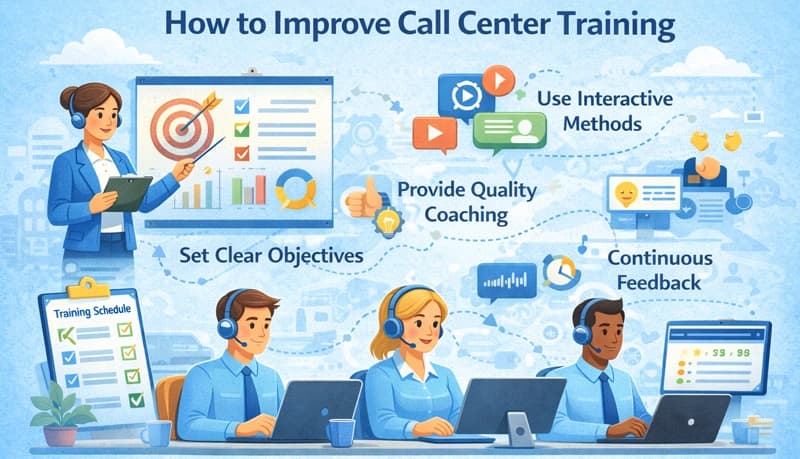
How to structure call center training across classroom, nesting, and production phases — what each should cover, how long it takes, and how to measure results.
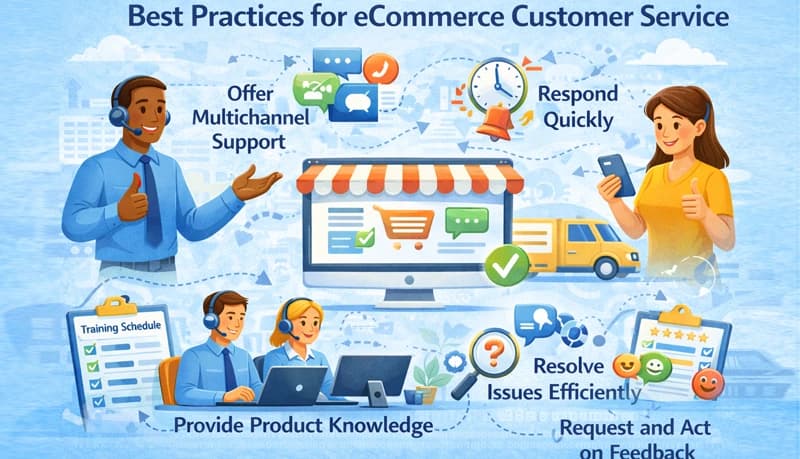
How to build and manage an ecommerce customer service team. Call types, staffing models, key metrics, and operational best practices for online retailers.
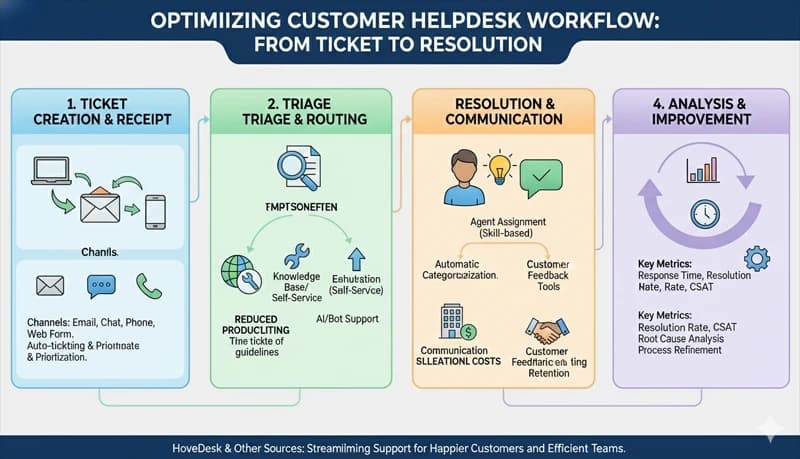
How to optimize helpdesk workflows in call centers and BPOs — ticket lifecycle stages, diagnosing delays, and reducing resolution time.
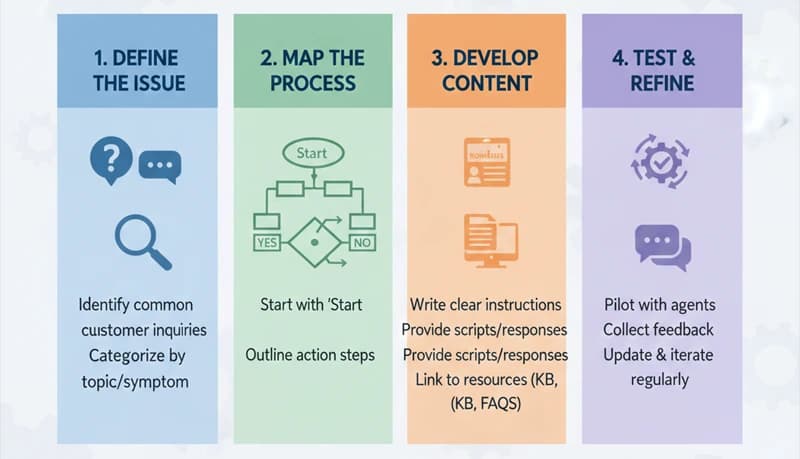
How to build troubleshooting flowcharts for call centers — identifying which call types need them, structuring decision trees, and maintaining them over time.
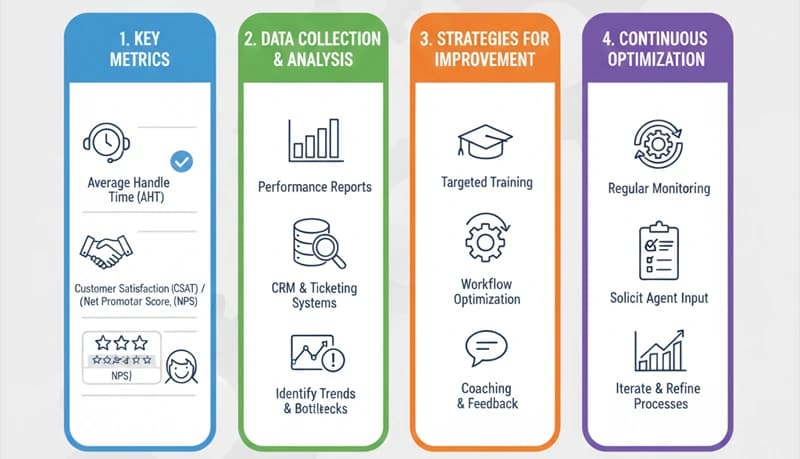
How to measure agent productivity in call centers — the right metrics, diagnosing underperformance, five common patterns, and what fixes each one.
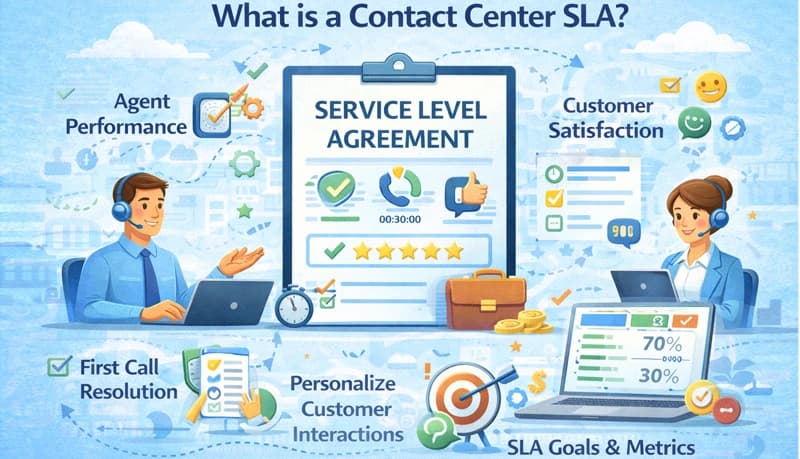
What contact center SLAs should include, how to set realistic targets, and what to do when they are missed. Includes SLA templates and measurement tips.
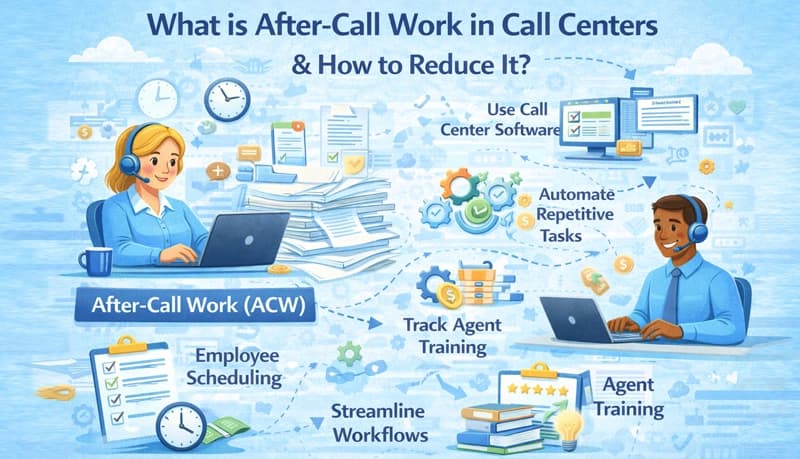
How to analyze and reduce after-call work (ACW) in call centers — what tasks consume excess time, process changes that cut ACW, and the capacity gains.
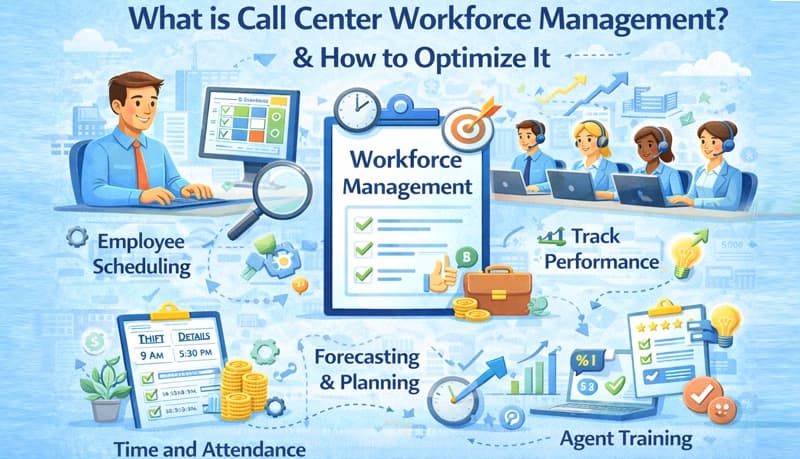
How workforce management works in call centers — forecasting, scheduling, real-time adherence, and intraday management explained with practical examples.
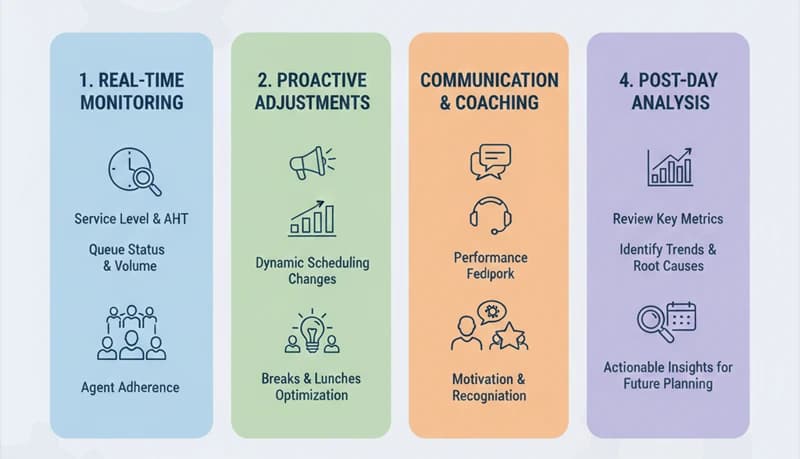
How to manage call center operations in real time — intraday triggers, response options, decision authority, and building a structured process.
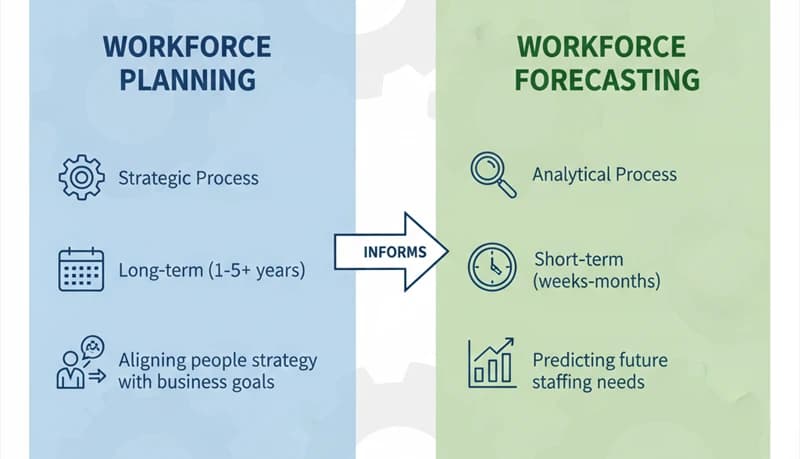
Workforce planning vs. forecasting in call centers — what each produces, how forecasting feeds planning, key calculations, and what breaks when either fails.
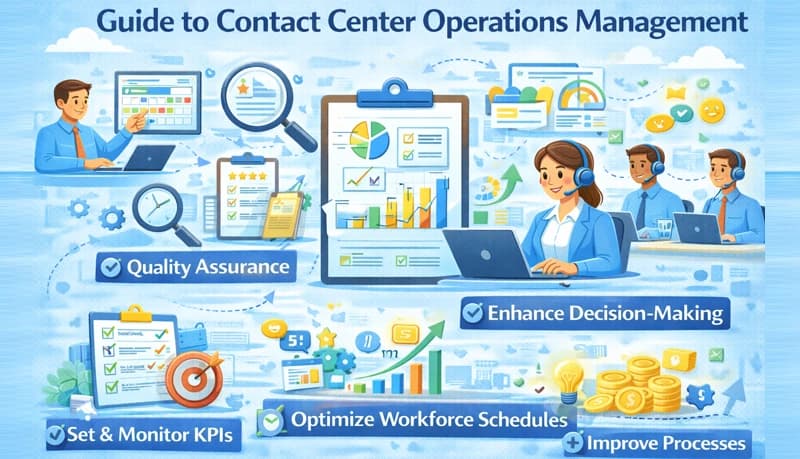
A framework for call center operations management — the five core functions, how they interact, the right management cadence, and key metrics to track.
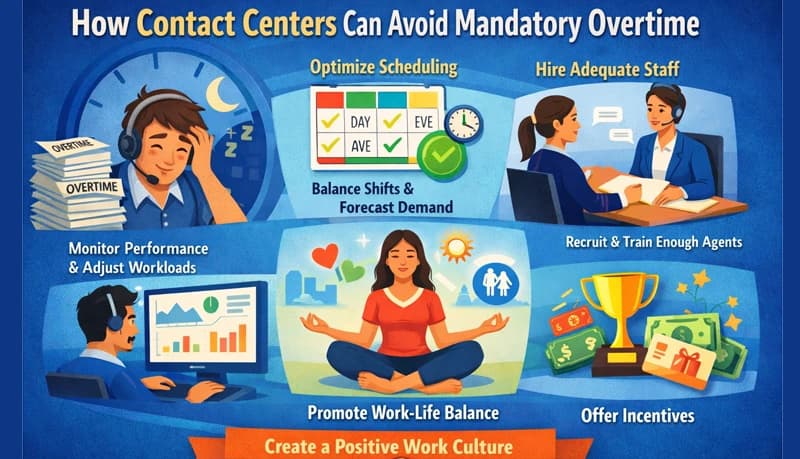
Is mandatory overtime legal in call centers? Federal and state rules, the real costs of forced overtime, and staffing fixes that eliminate the need for it.
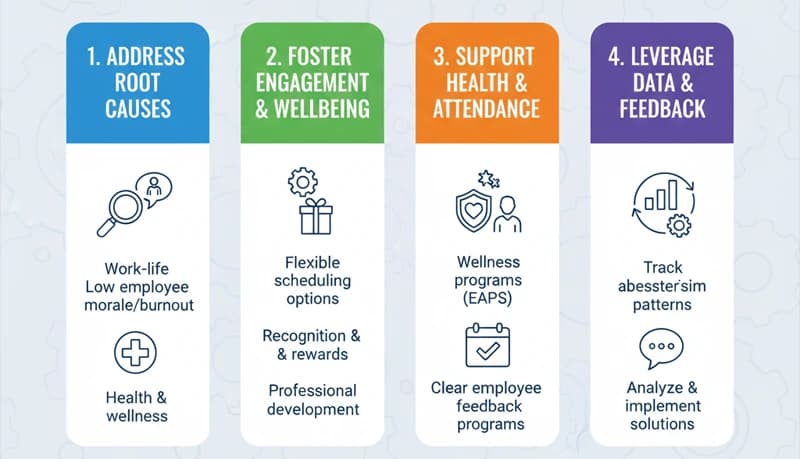
How to measure and reduce call center absenteeism — calculating the real cost per absence, diagnosing root causes, and the interventions that actually work.
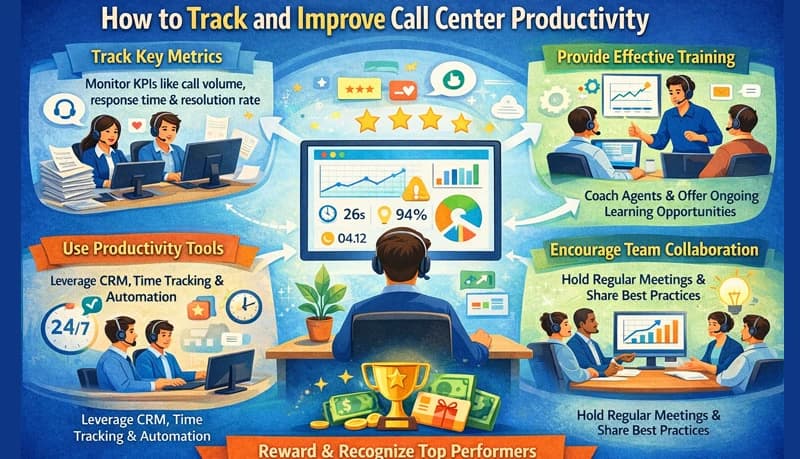
How to track call center productivity daily, weekly, and monthly — the metrics to check at each cadence, spotting problems early, and taking effective action.
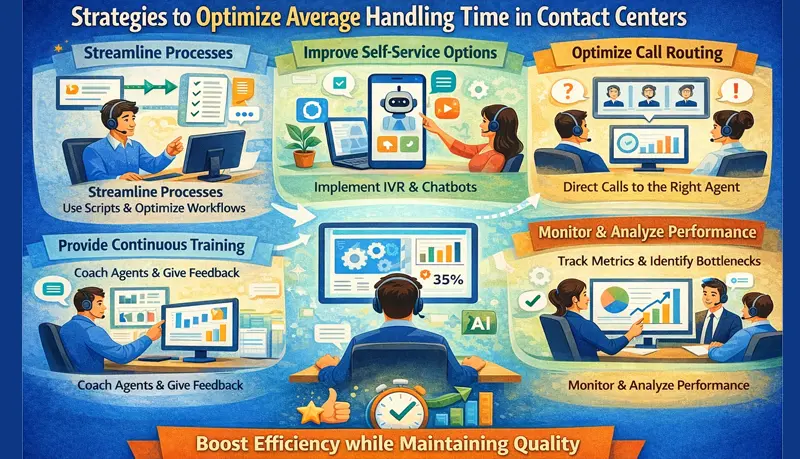
How to reduce average handle time in call centers — breaking AHT into components, fixing talk time, hold time, and ACW without hurting first call resolution.
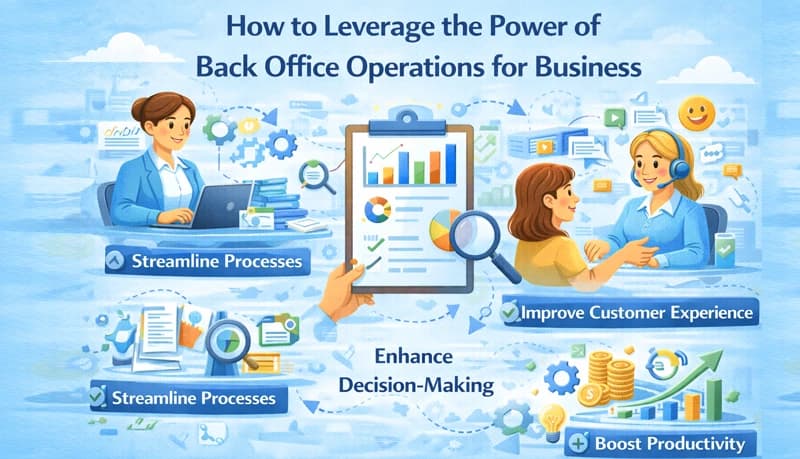
How back office inefficiency causes front office problems in BPOs — and how to trace operational issues to their root cause.
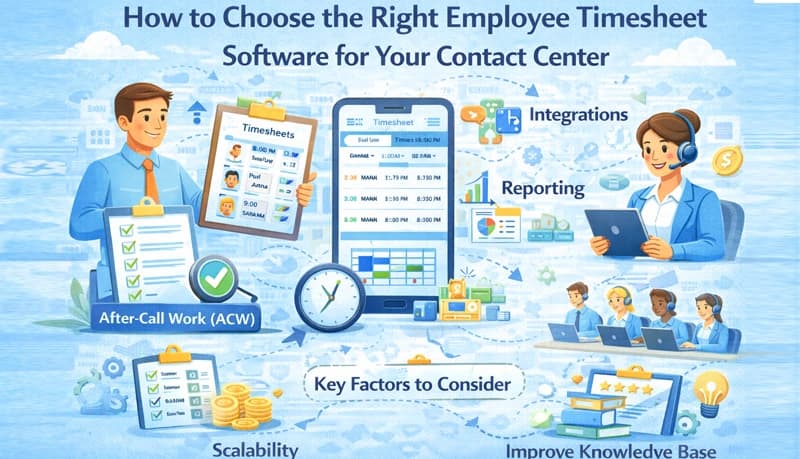
How to choose timesheet software for call centers and BPOs — key features for shift-based teams, real cost calculations, and evaluation tips.
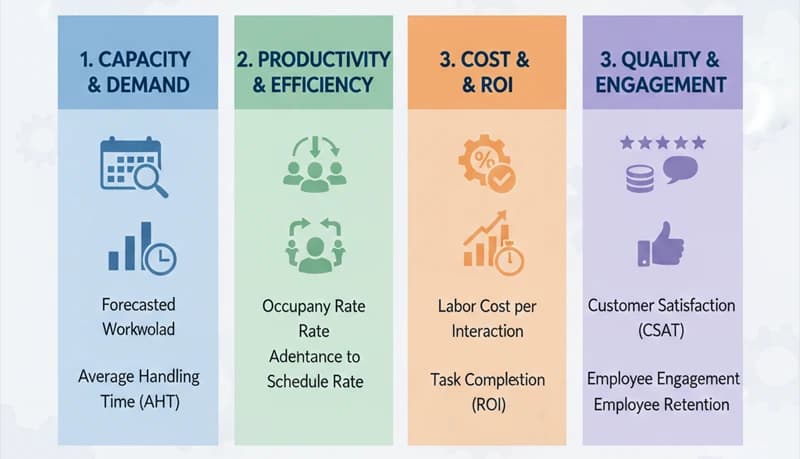
Key workforce planning metrics for call centers — forecast accuracy, shrinkage, schedule efficiency, attrition, and how each drives staffing decisions.
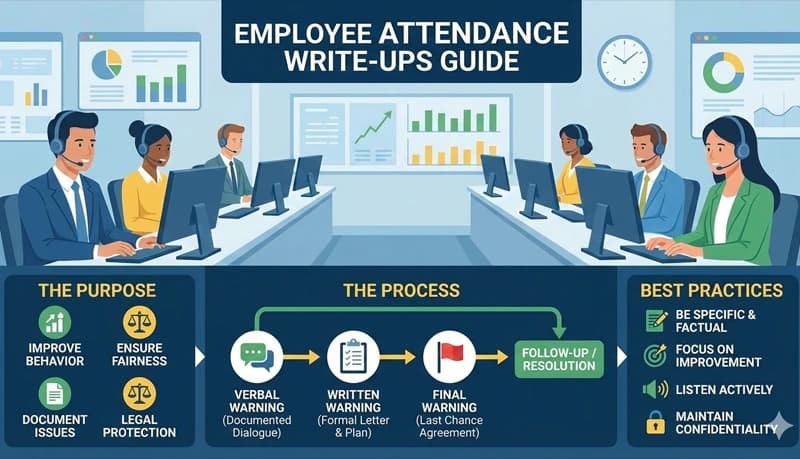
How to handle attendance write-ups in call centers — point vs. occurrence systems, progressive discipline steps, legal considerations, and when not to write up.
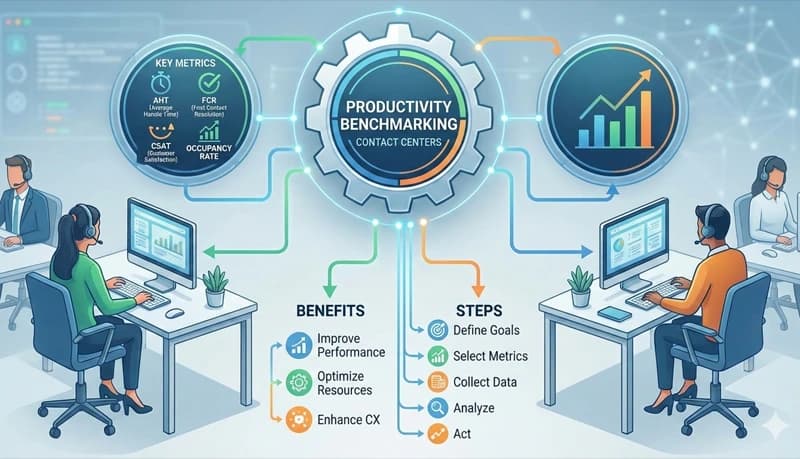
Call center productivity benchmarks — typical ranges for service level, AHT, occupancy, FCR, attrition, and cost metrics, plus what to do when you miss them.
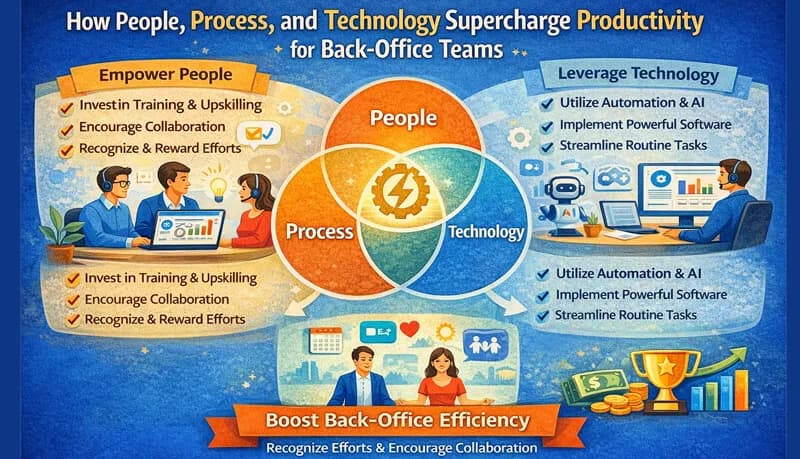
Using the people-process-technology framework to diagnose and fix back office productivity problems in call centers and BPOs.
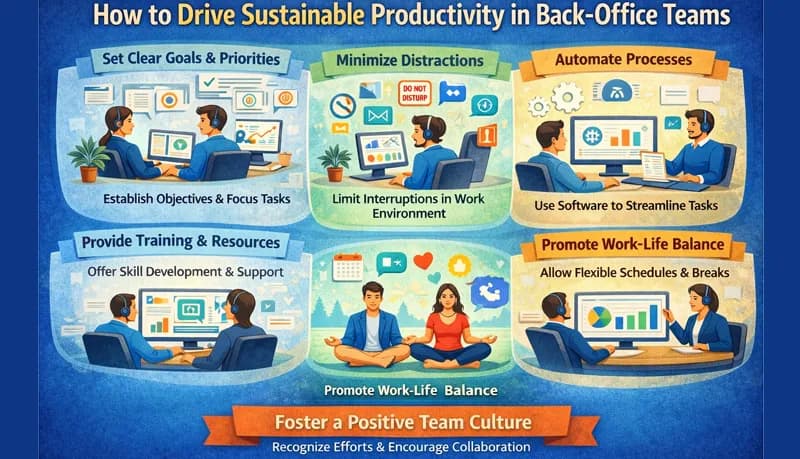
How to measure and improve back office productivity in call centers and BPOs — key metrics, growth drivers, and common mistakes.
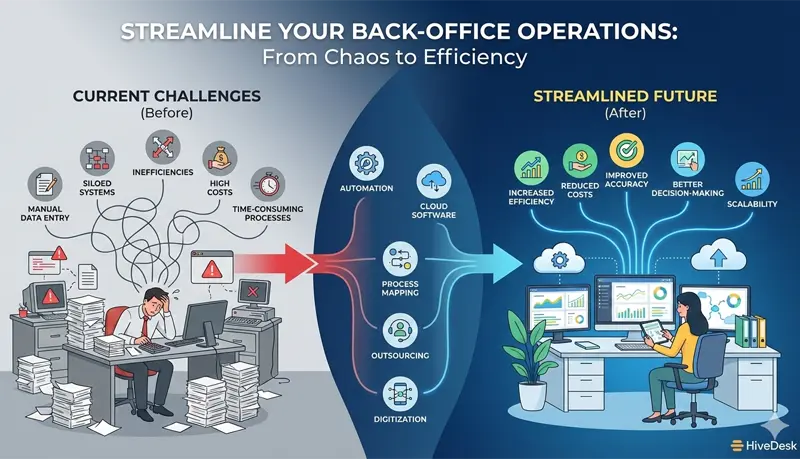
How to streamline back office operations in call centers and BPOs — finding inefficiencies and reducing costs without adding headcount.
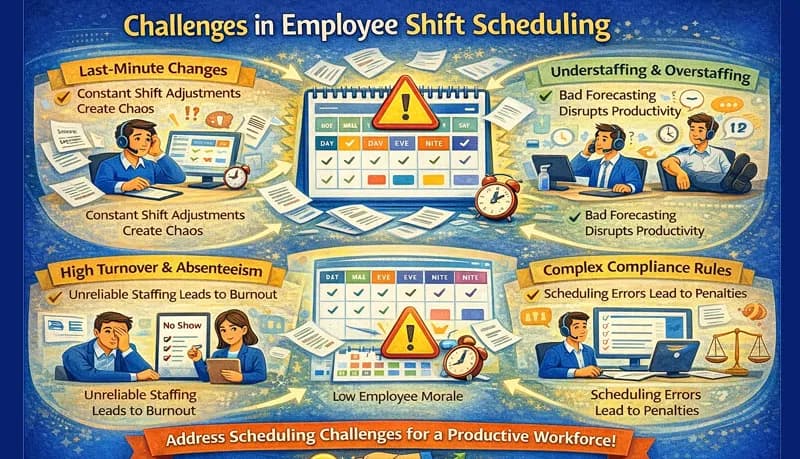
The 7 most common shift scheduling problems in call centers and how to fix them. Coverage gaps, overtime spikes, agent burnout, and compliance risks solved.
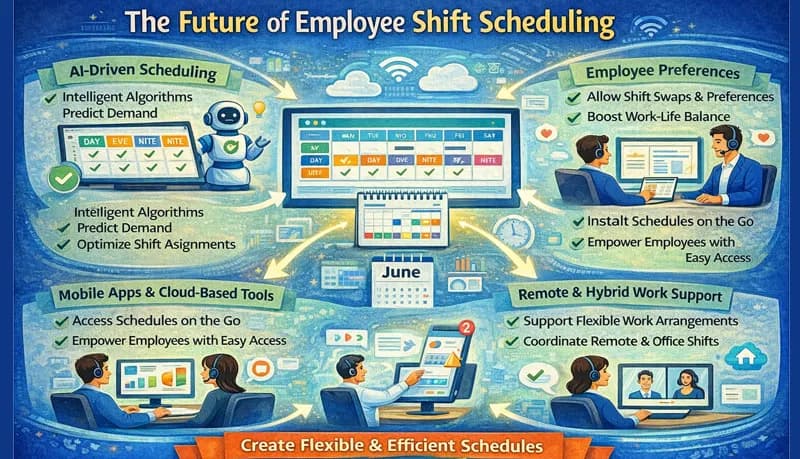
How call center scheduling is changing — predictive scheduling laws, remote workforce challenges, flexible models, and what to prepare for.
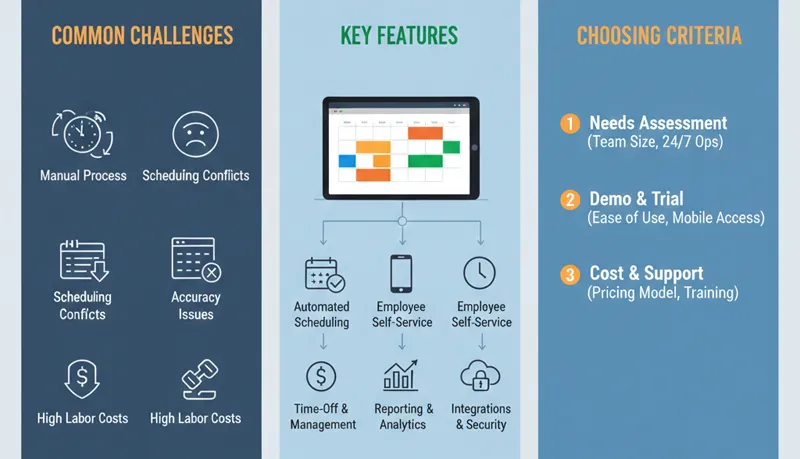
What to look for in shift scheduling software for call centers — key features, what to avoid, and how to evaluate the right tool.
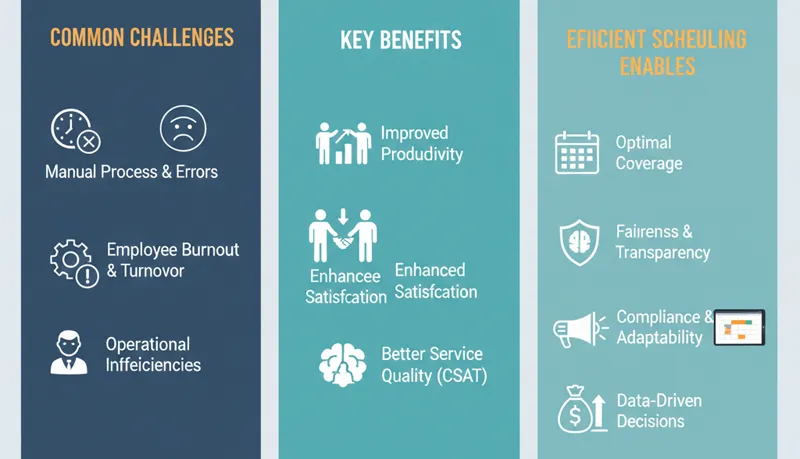
How poor shift scheduling hurts service levels, labor costs, and agent retention in call centers — and the practices that fix these problems.
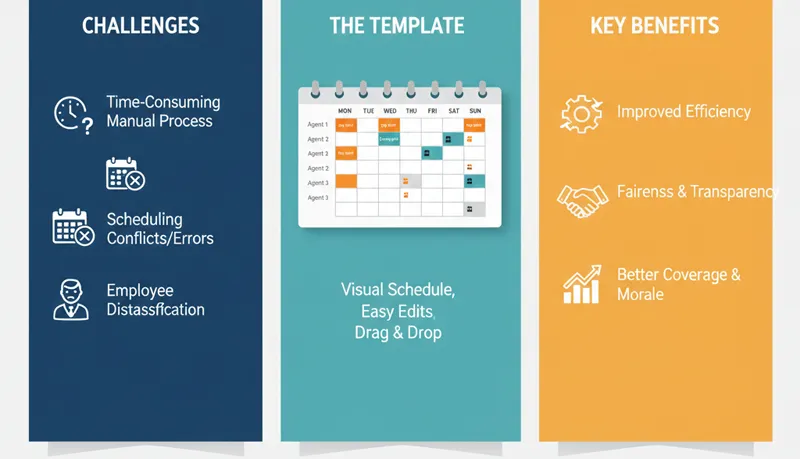
How to build a weekly shift schedule for call centers — match agent coverage to call volume, handle breaks, and avoid costly scheduling mistakes.
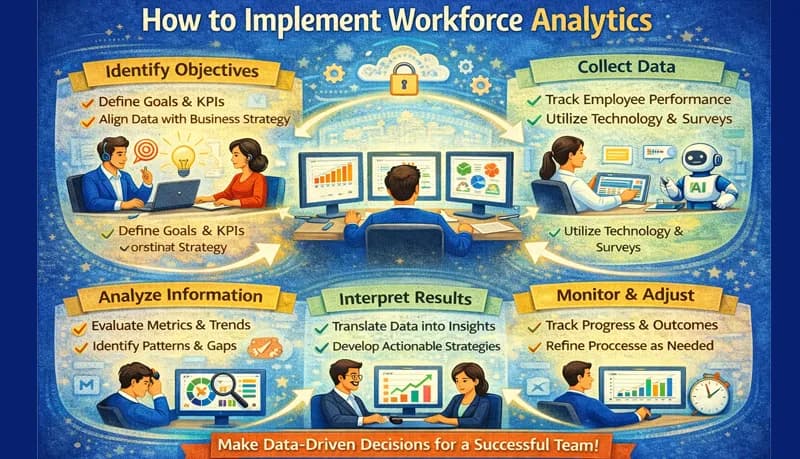
How to implement workforce analytics in a call center — connect metrics to decisions, build a review cadence, and avoid common mistakes.
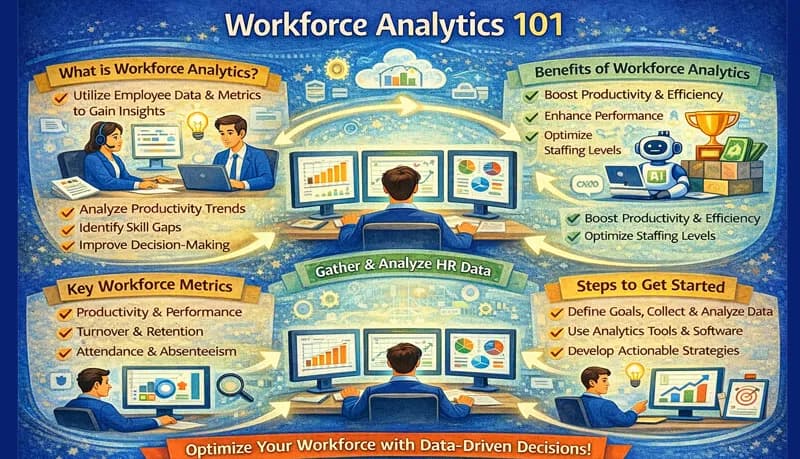
How to use workforce analytics for better staffing, scheduling, and retention decisions in call centers — the metrics that matter most.
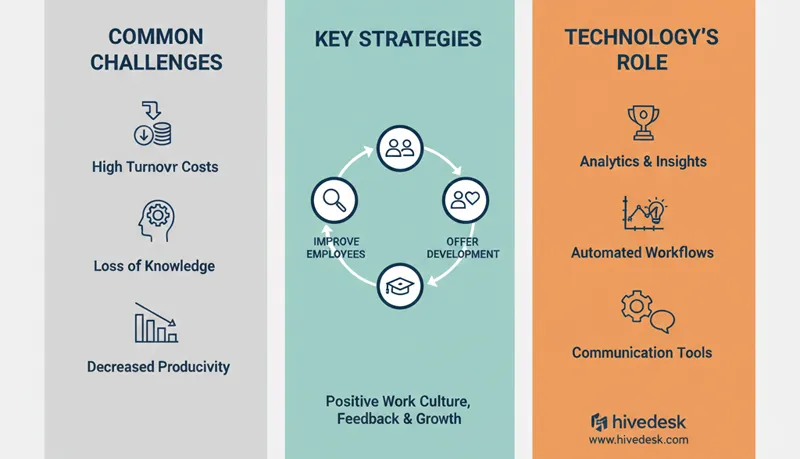
Why BPO attrition is structurally high, what drives turnover, which retention interventions work, and how to measure results.
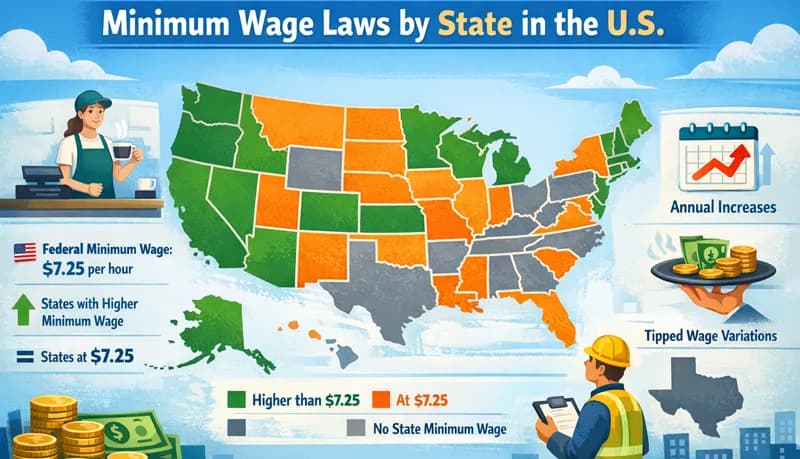
2026 minimum wage rates for all 50 states, federal rate, tipped wages, and local minimums. Updated with the latest increases effective January 1, 2026.
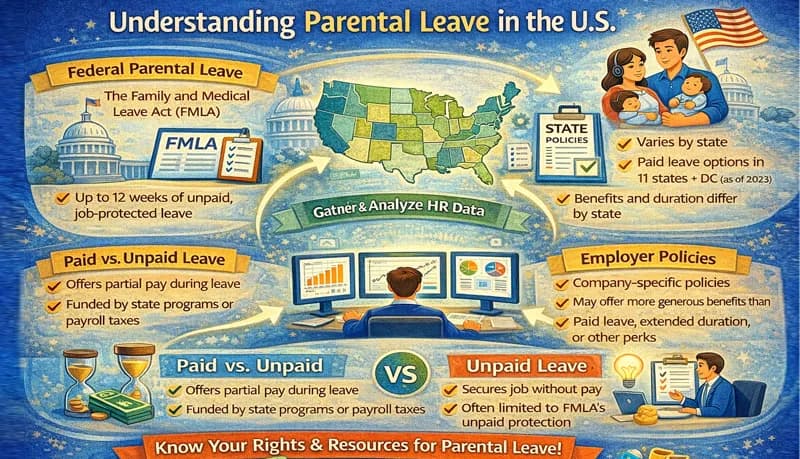
Parental leave in the US for 2026. Federal FMLA rules, state paid leave programs, and maternity and paternity leave requirements.
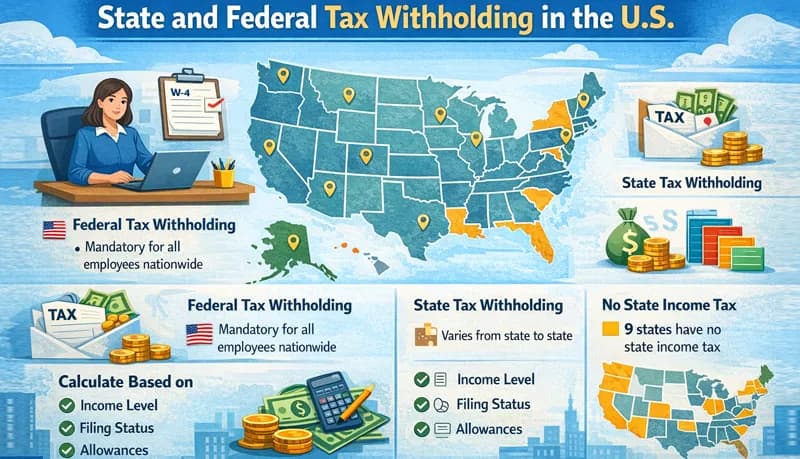
What employers must withhold from wages — federal income tax, FICA, state tax, deposit schedules, and multi-state compliance.
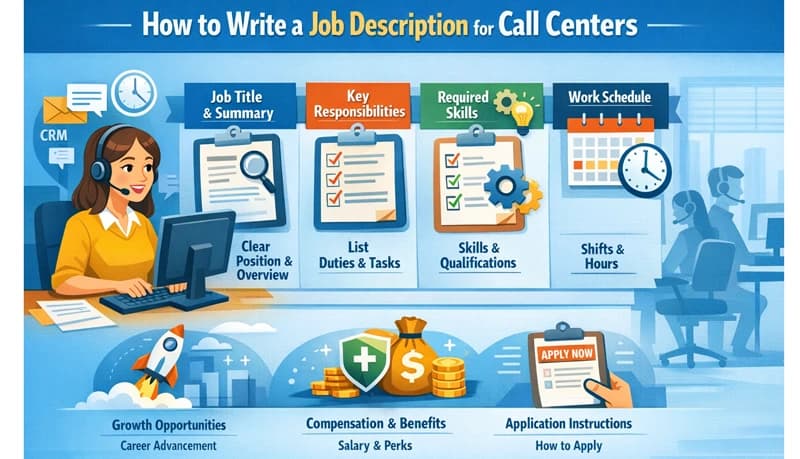
How to write call center job descriptions that attract qualified candidates — what to include, what to skip, and examples for common roles.
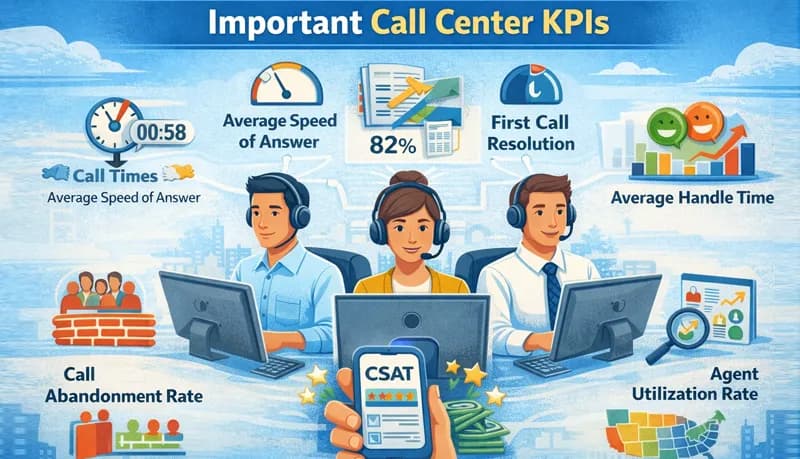
The KPIs that matter in call center operations — what each metric measures, realistic targets, how metrics interact, and common measurement mistakes.
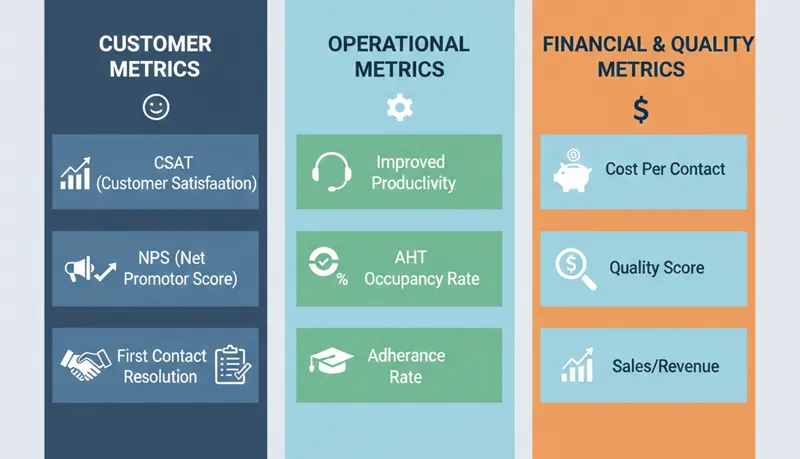
Essential BPO KPIs — account profitability, billable utilization, agent retention, and 12 other metrics outsourcers must track.
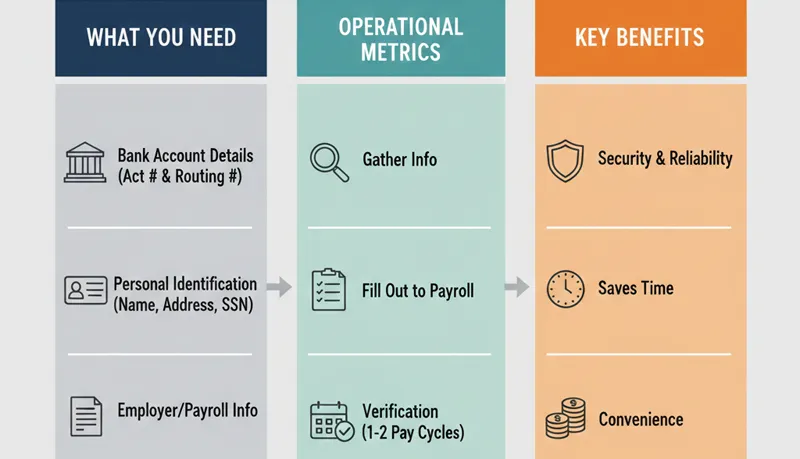
How to set up direct deposit — the payroll provider process, required employee info, state laws, and common mistakes to avoid.
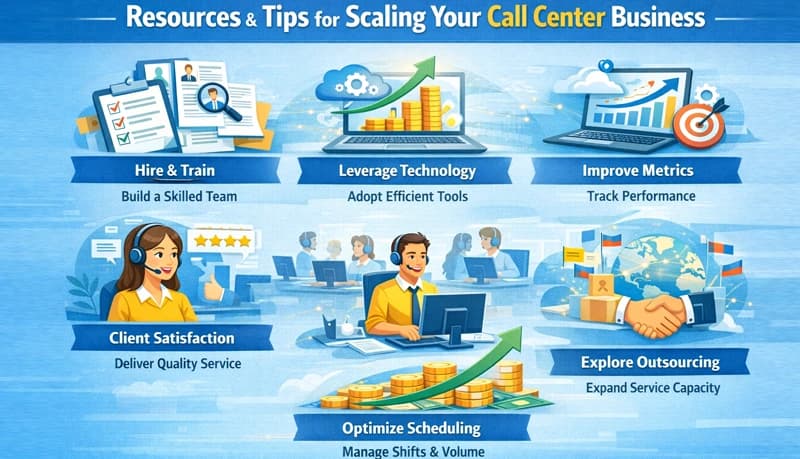
What breaks when a call center scales from 50 to 200+ agents — staffing, process, and infrastructure problems at each growth stage and how to fix them.
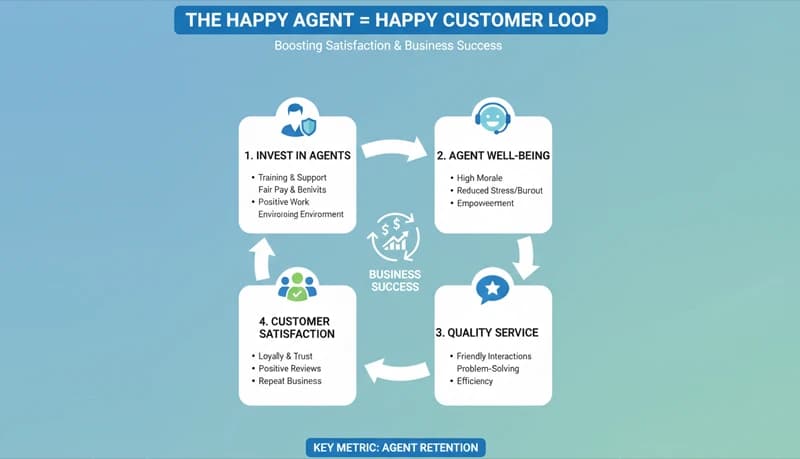
The data behind agent satisfaction driving customer satisfaction in call centers — and the operational conditions that make the difference.
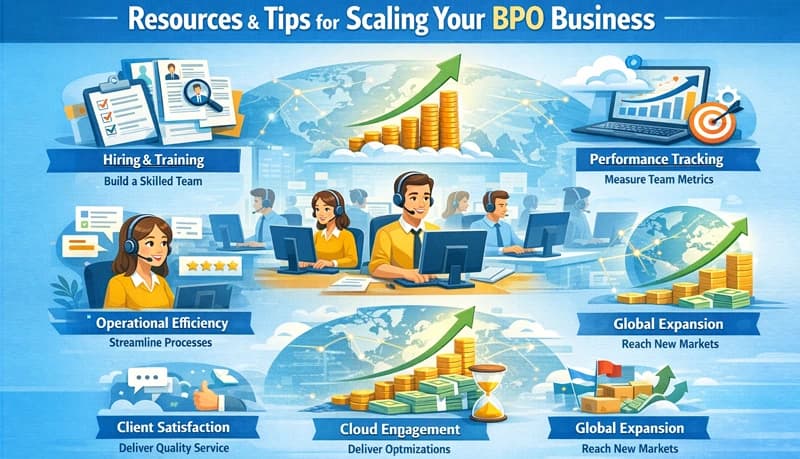
What makes scaling a BPO different — multi-client economics, account profitability, site expansion, and client concentration risk.
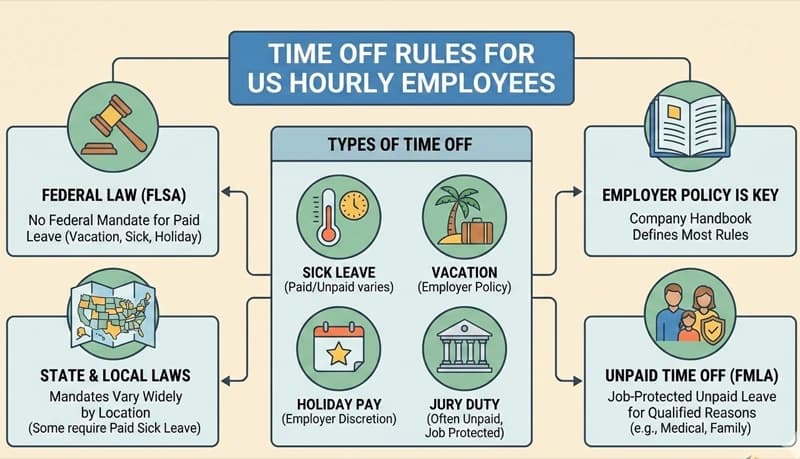
Federal time off laws for hourly workers, state-mandated paid leave, vacation payout rules, and multi-state compliance.
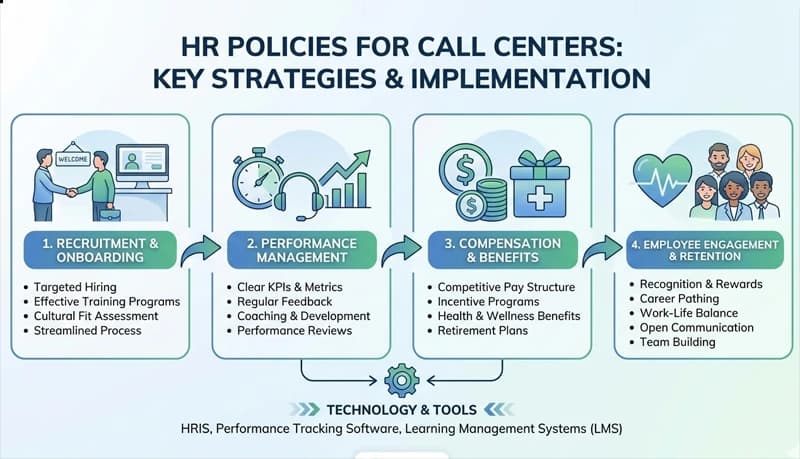
Essential HR policies for call centers — attendance, scheduling, performance, conduct, leave, and separation. What each should cover and common gaps.
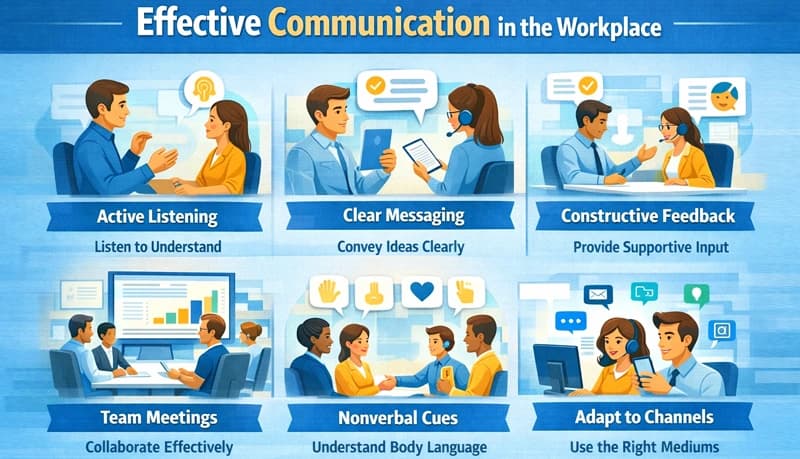
How communication fails in call center and BPO operations — where breakdowns cause damage and how to fix them.
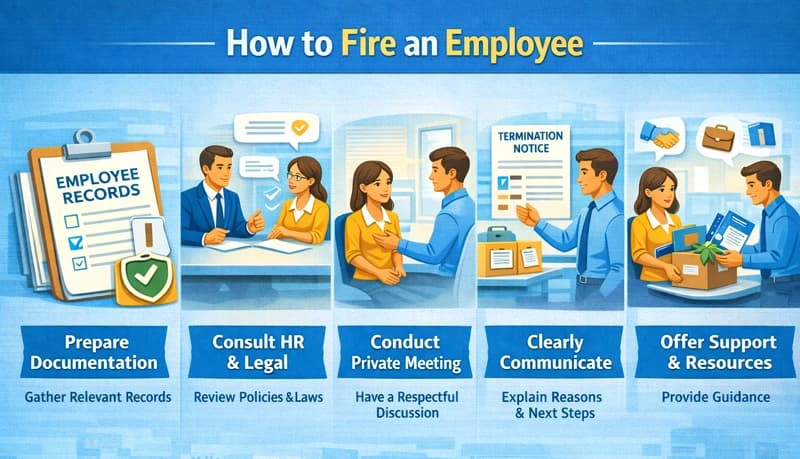
How to terminate a call center or BPO employee — required documentation, legal framework, conducting the meeting, and next steps.
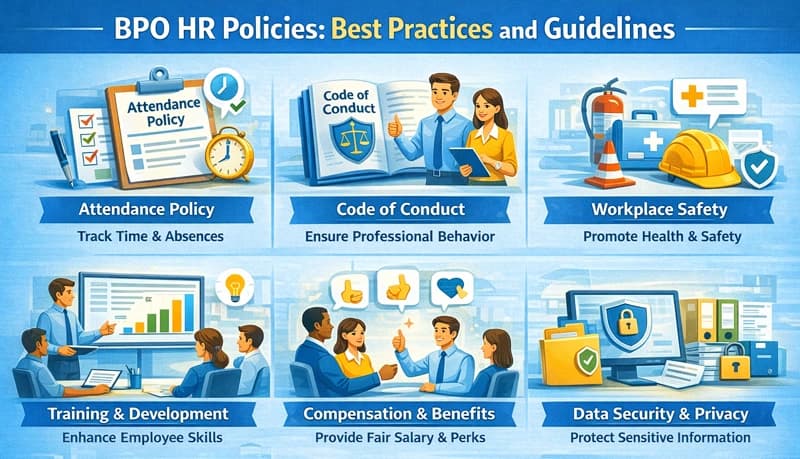
Essential HR policies for BPOs — multi-client workforce management, cross-jurisdictional compliance, and agent mobility.
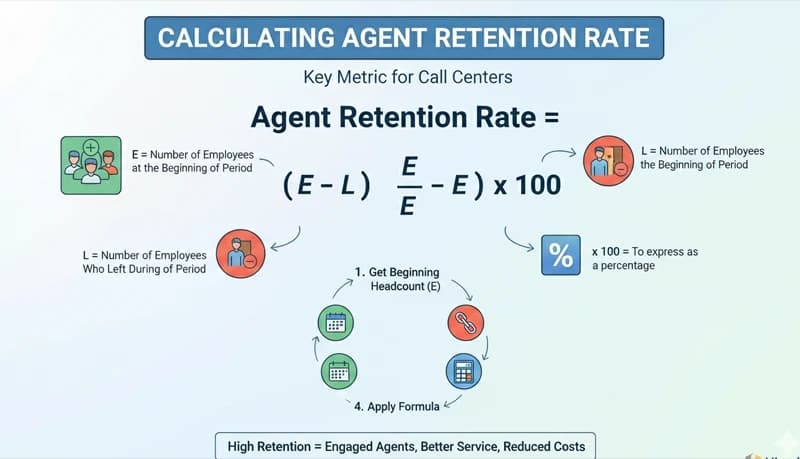
How to calculate call center agent retention rate — the formula, how to segment retention data for actionable patterns, and what drives agents to stay or leave.
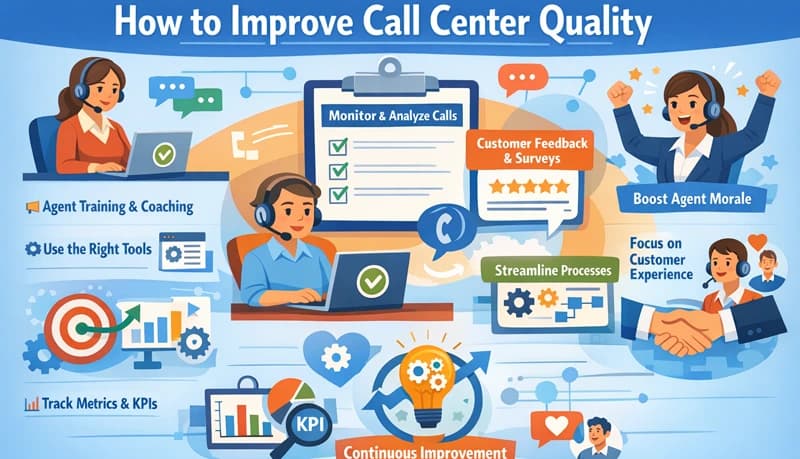
How to build and run a call center QA program — what to measure, how to calibrate, how to coach from QA data, and common quality mistakes to avoid.
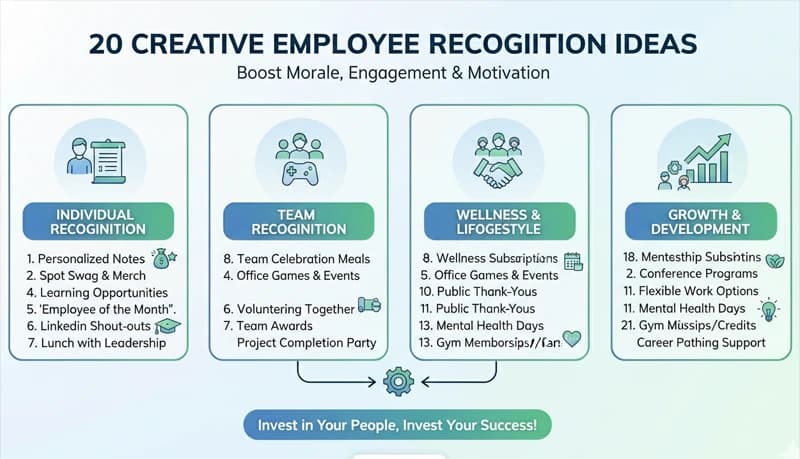
Employee recognition ideas for call centers and BPOs — what to recognize, how to deliver it, and the impact on retention.
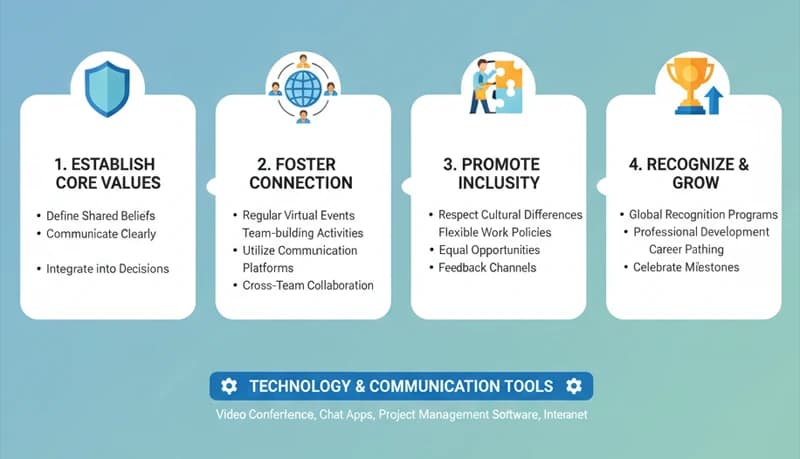
How to build company culture across time zones — operational practices that create cohesion in distributed BPO teams.
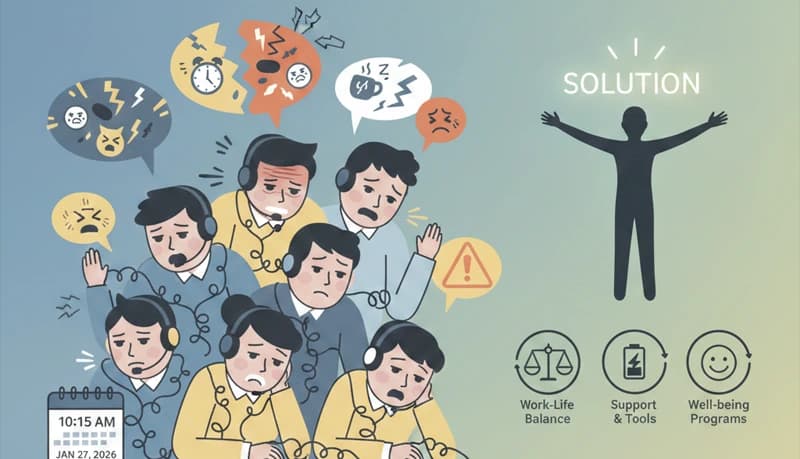
Call center burnout statistics for 2026. Turnover rates, stress factors, financial impact, and evidence-based strategies to reduce agent burnout.
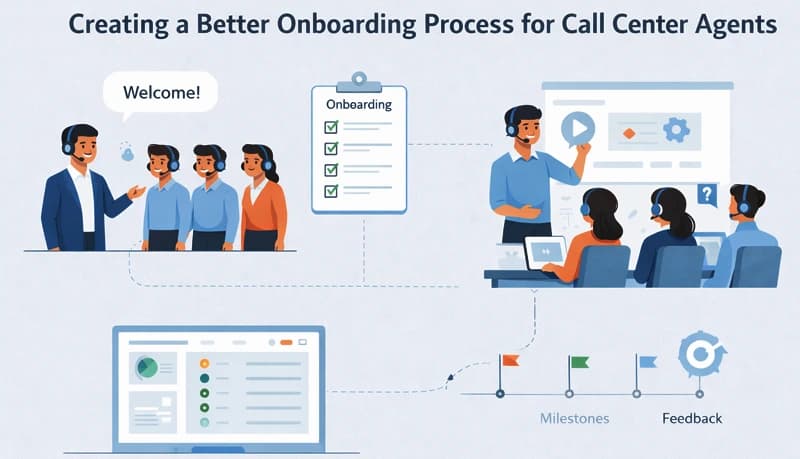
How to structure call center agent onboarding — from pre-day-one setup through nesting and first solo shifts — to cut early turnover and speed proficiency.
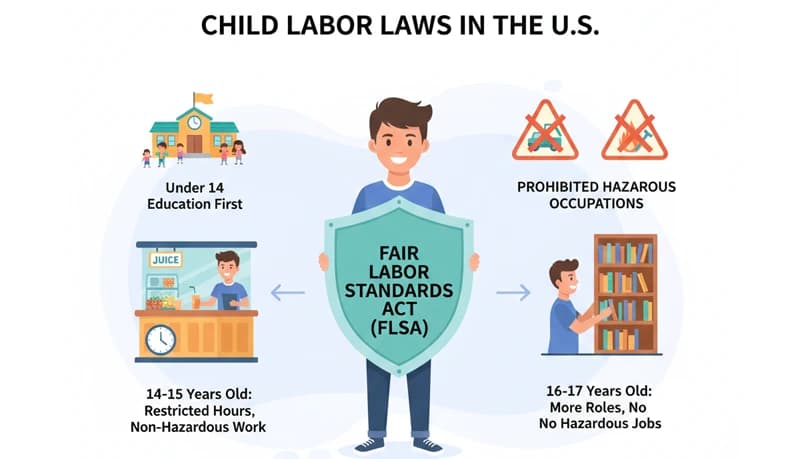
Federal and state child labor laws for 2026. Work hour limits by age, prohibited occupations, permit requirements, and penalties.
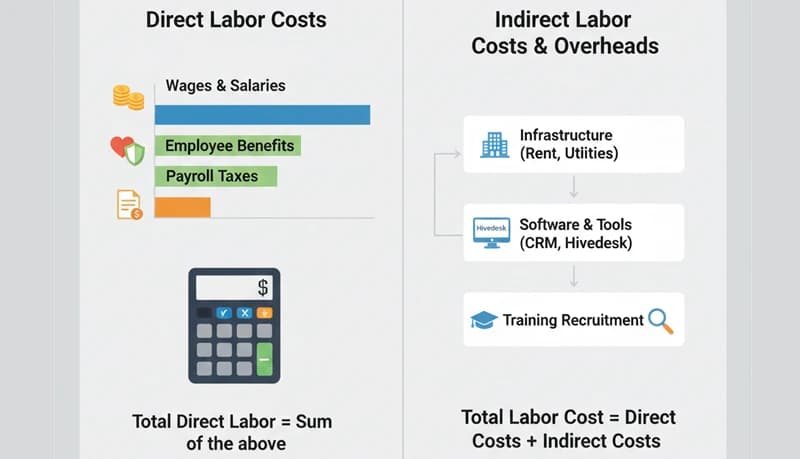
Step-by-step guide to calculating BPO labor costs — loaded hourly rates, cost per transaction, account-level profitability, and the formulas that connect them.
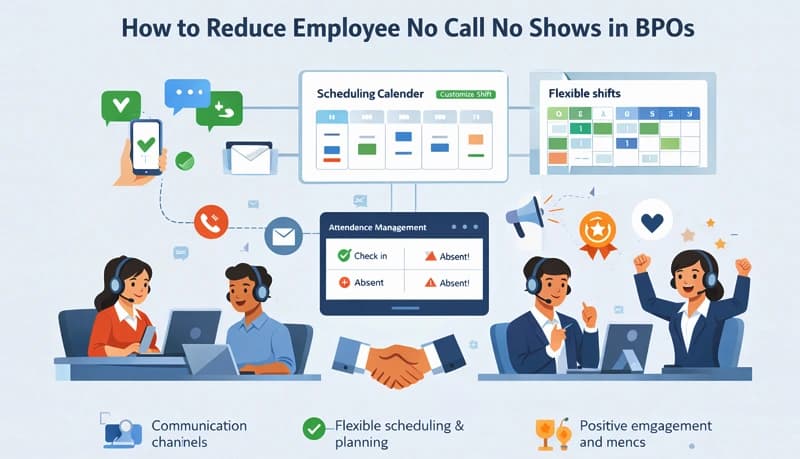
Why BPO employees no-call no-show, what it actually costs, and the scheduling, policy, and management practices that reduce unplanned absences.
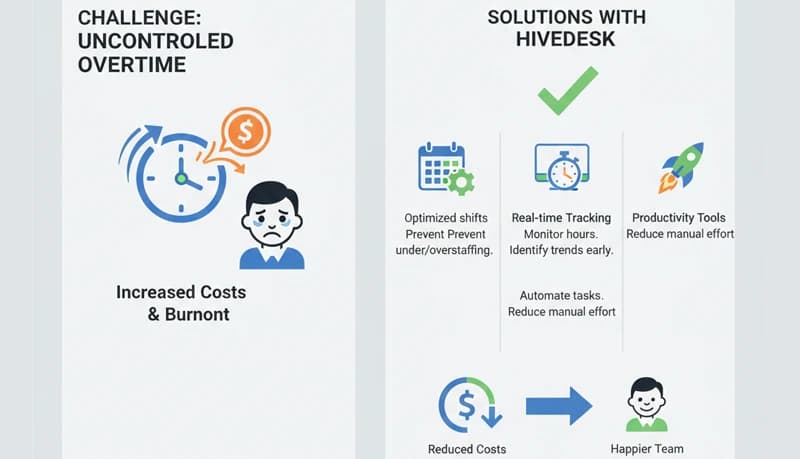
How BPO companies can control overtime and labor costs — account-level tracking, contract alignment, and shift optimization.
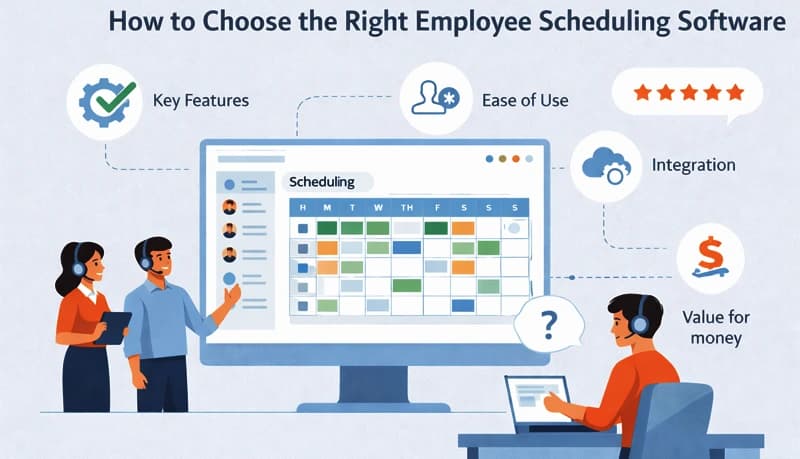
What to look for in employee scheduling software — key features, how to evaluate tools, and common mistakes to avoid.
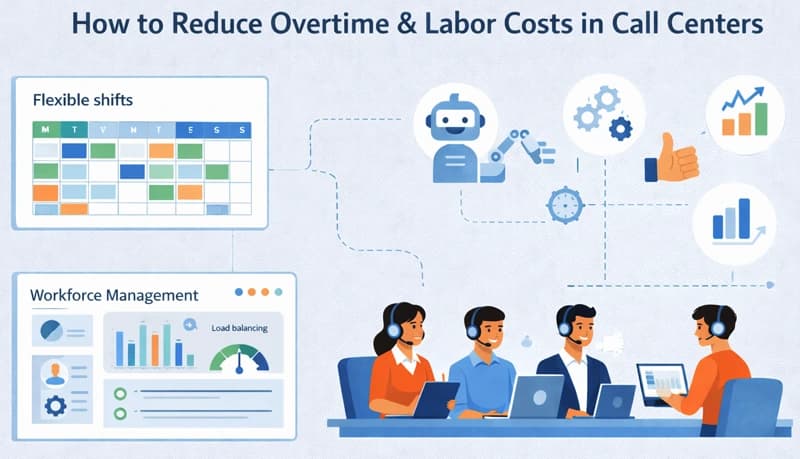
Practical strategies for cutting call center overtime — schedule optimization, staffing models, handle time reduction, and shrinkage management.
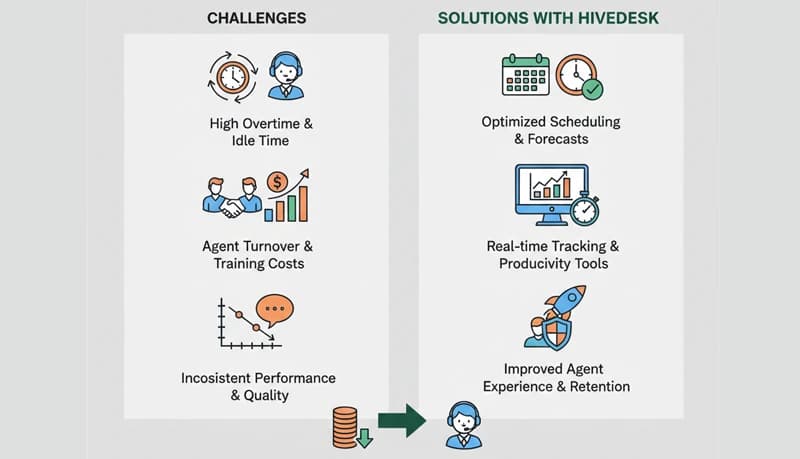
How to break down and reduce call center labor costs — cost-per-call analysis, staffing efficiency, overtime control, and scheduling optimization.
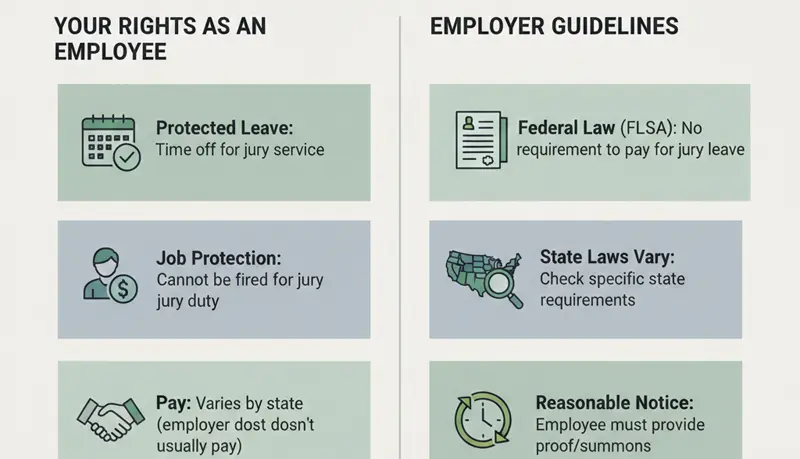
Federal and state jury duty leave laws for employers — paid leave requirements, absence limits, and anti-retaliation rules.
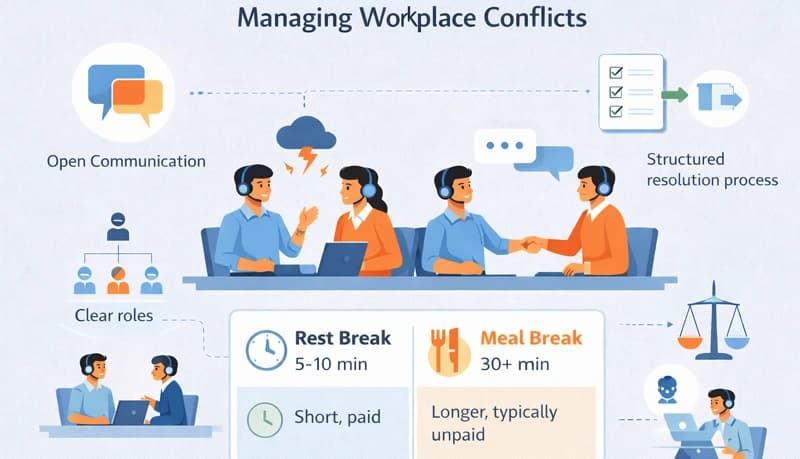
How managers can identify, address, and resolve workplace conflicts — from workload disputes to remote team disagreements.
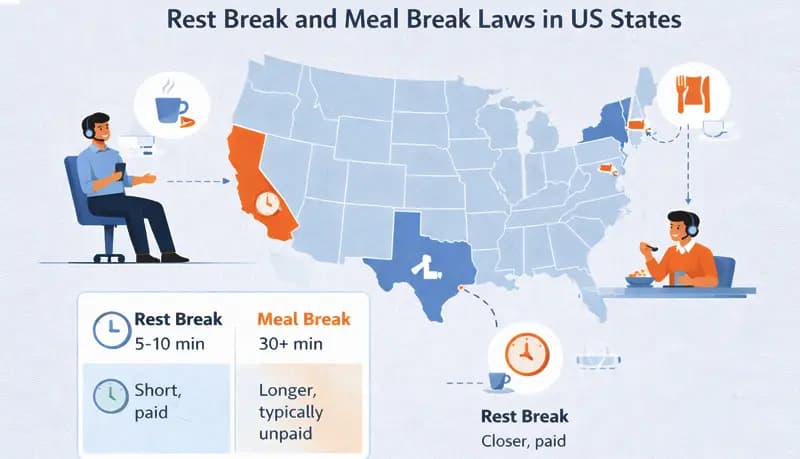
2026 rest break and meal break laws for all 50 states. Required break times, paid vs unpaid, penalties for violations, and employer obligations state by state.
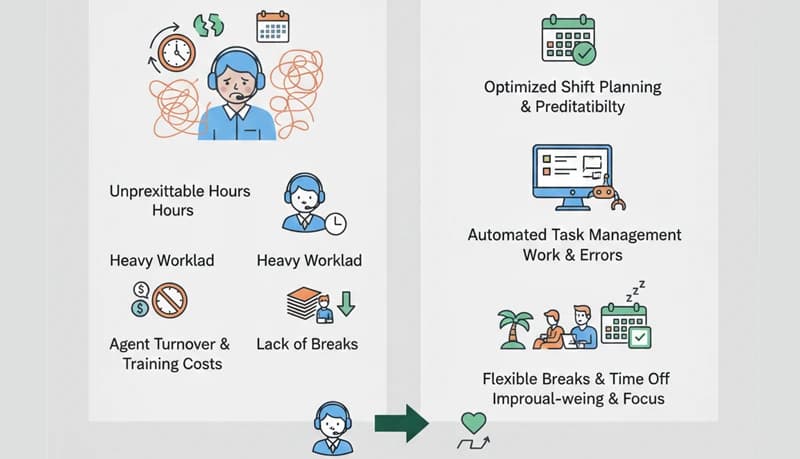
Scheduling strategies that reduce agent stress and burnout in call centers — shift design, break management, workload balancing, and overtime control.
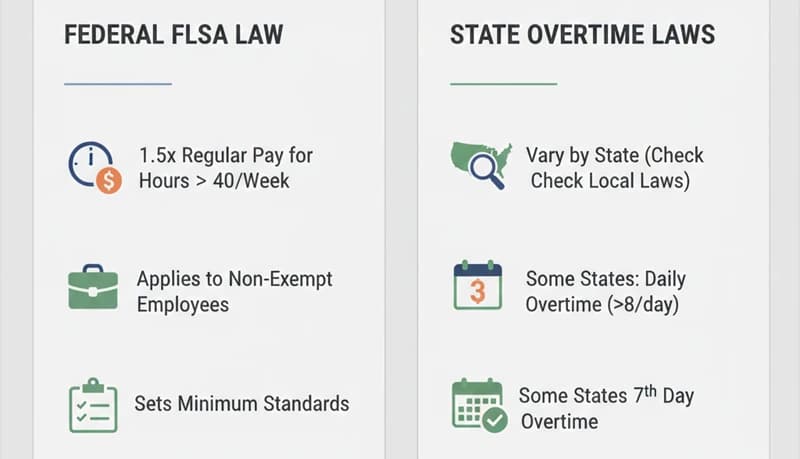
Federal FLSA overtime rules, which states have stricter requirements (daily overtime, lower thresholds, double time), and how to stay compliant.
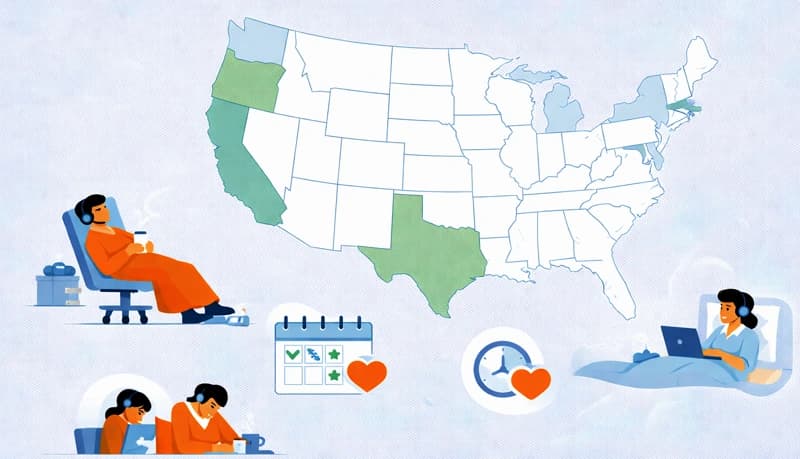
Which US states require paid sick leave, how much employees accrue, which employers are covered, and what the federal requirements are.
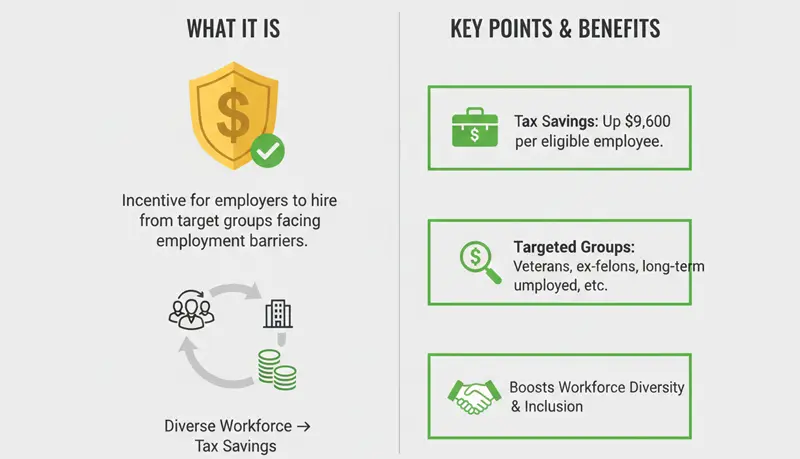
How the Work Opportunity Tax Credit works, which employees qualify, how to calculate the credit amount, and the step-by-step process for claiming it.

How agencies can use time tracking to protect margins, price projects accurately, bill clients transparently, and understand where team capacity actually goes.

How call centers can use time tracking to manage agent schedules, monitor adherence, control labor costs, and maintain service levels across shifts.

How BPO companies use time tracking to manage shift-based teams, bill clients accurately, control labor costs, and meet SLA targets.

Best practices for time tracking in accounting firms. Capture every billable minute, reduce timesheet errors, and choose the right software for your practice.

The features that matter most when choosing time tracking software, from automatic time capture and project tracking to timesheets, reporting, and invoicing.

What labor laws require employers to track and how time tracking helps you stay compliant with overtime, break, and record-keeping rules.

How project managers use time tracking to manage budgets, improve estimates, and deliver on time — setup and reporting tips.

How IT services companies use time tracking to bill accurately, estimate projects, and improve profitability.

What data privacy laws require when tracking employee time, where monitoring crosses the line, and how to implement time tracking responsibly.

Employee shift scheduling basics — common challenges and practical approaches to balance coverage with employee satisfaction.

How to use time tracking data for accurate client billing, from setting up billable rates to generating invoices and handling disputes.

How time tracking creates accountability on teams by making work visible, and how to implement it in a way that builds trust rather than resentment.

How to use time tracking data to allocate work, estimate projects accurately, control costs, and identify capacity problems before they become crises.

Why time tracking is essential for remote teams, the challenges of implementing it, and practical approaches that balance accountability with trust.
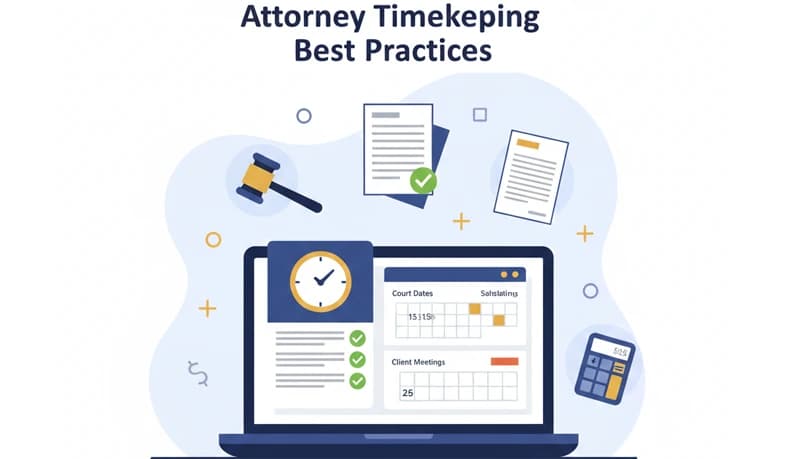
Timekeeping best practices for attorneys — capture more billable hours, write better time entries, and avoid costly mistakes.

All US holidays in 2026 with exact dates: 11 federal holidays, cultural and religious observances, informal holidays, and holiday pay rules for employers.

Stop losing revenue to untracked billable hours. How to set up billable hours tracking, choose the right tools, and bill clients accurately every time.

How to track employee attendance — compare manual vs automated methods, choose the right tools, and build policies for any team.

How to measure employee productivity using time-based, output-based, and quality-based methods, and what factors affect team performance.
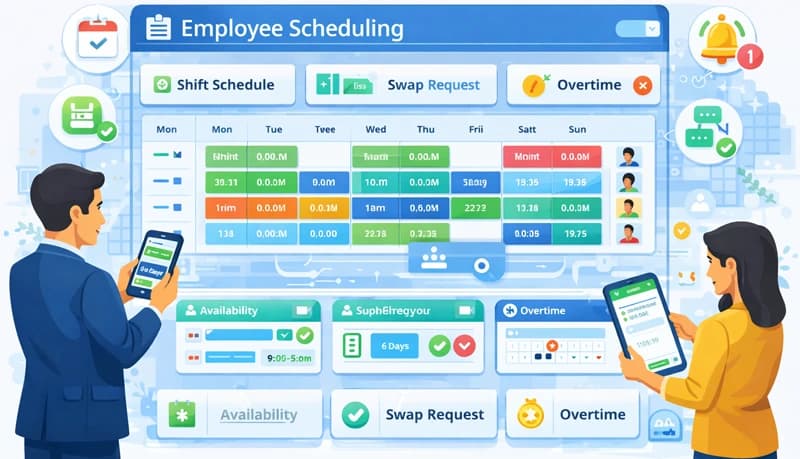
How employee shift scheduling works, why it matters, and best practices for creating schedules that balance business needs with employee satisfaction.
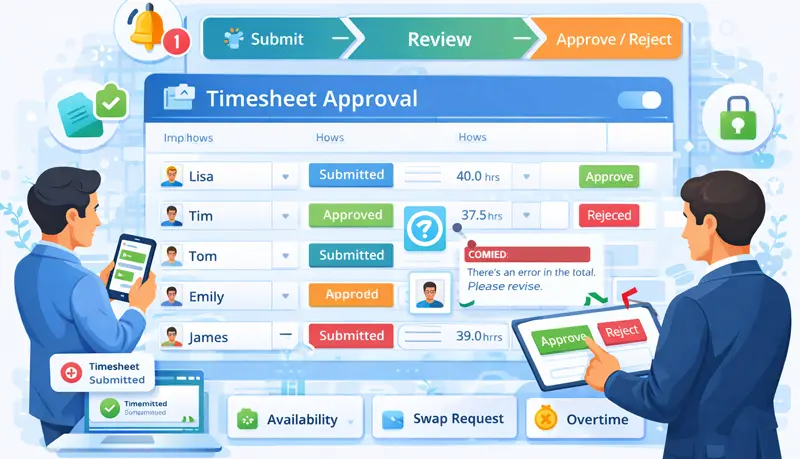
How the timesheet approval process works, why it matters for payroll and compliance, and best practices for implementing it.
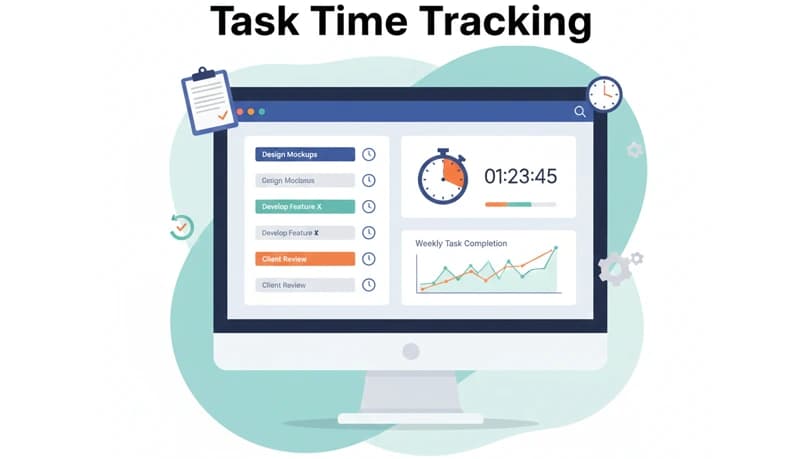
How task time tracking helps you improve productivity, bill clients accurately, and create better project estimates.
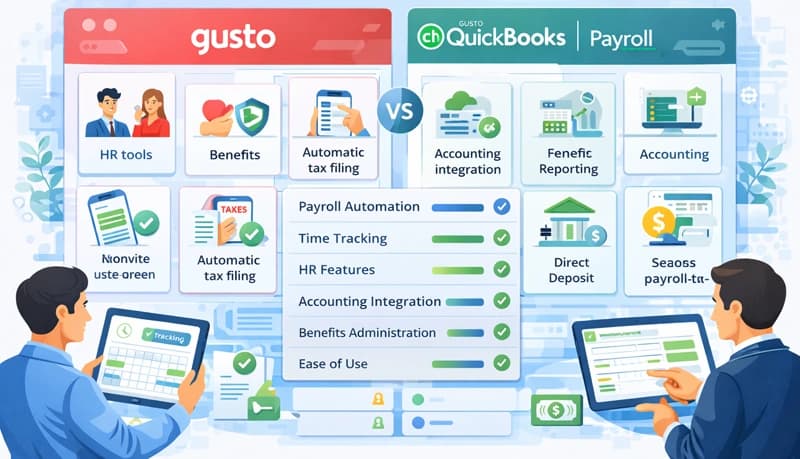
Gusto vs QuickBooks compared for payroll, HR, and benefits. Features, pricing, and pros and cons to help you choose.
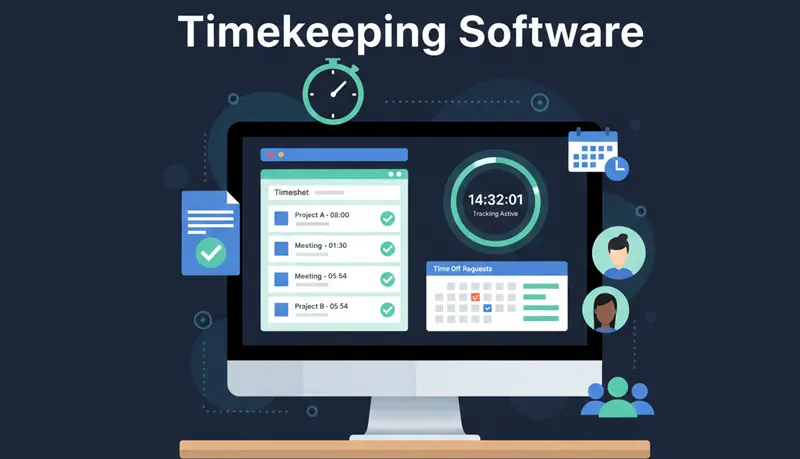
What timekeeping software does, its key features and benefits, and how to choose the right one for your business.
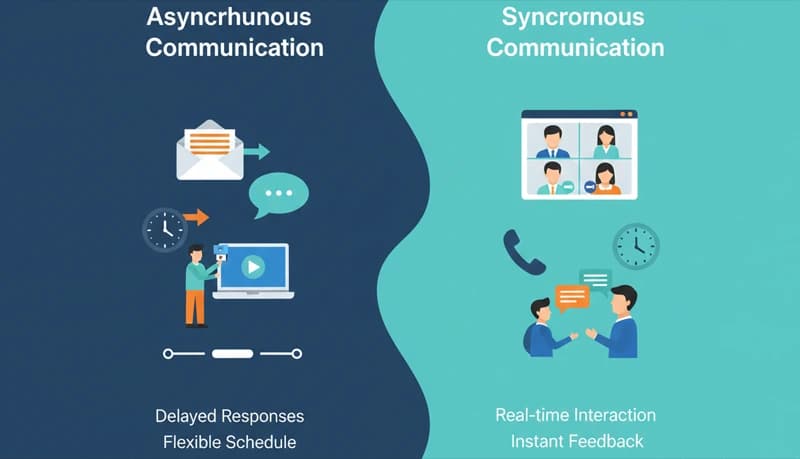
When to use asynchronous vs. synchronous communication in remote teams, the pros and cons of each, and how to find the right balance.
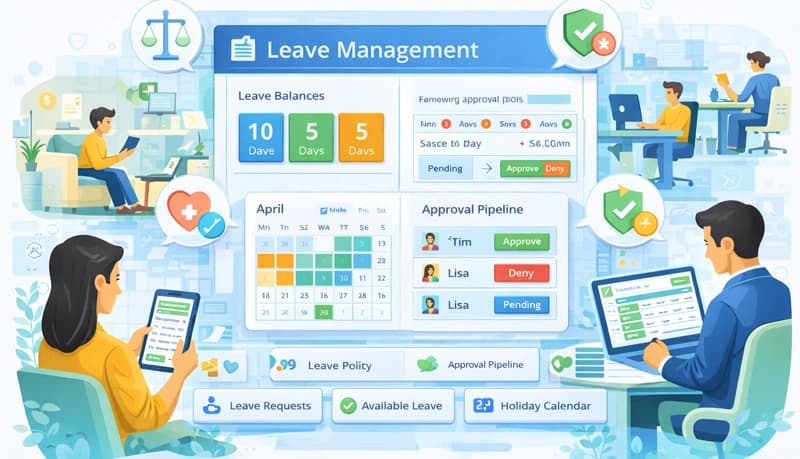
How to create a leave management policy and system for hybrid and remote teams, including common challenges and what to look for in a leave management tool.
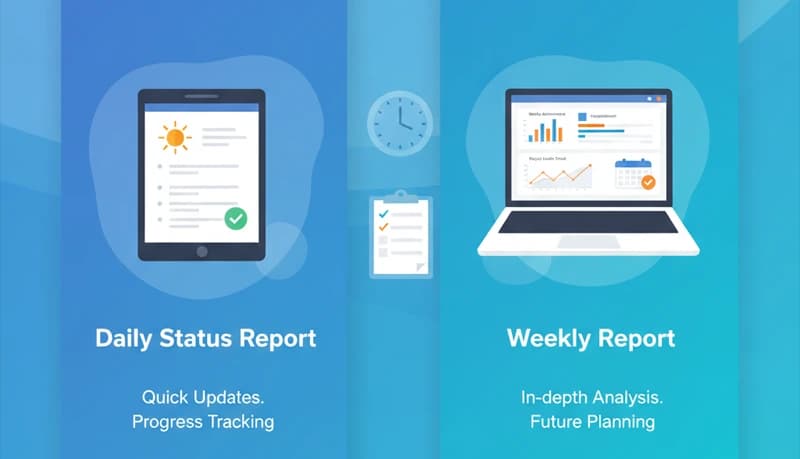
How to use daily and weekly status reports to keep your remote or hybrid team aligned, accountable, and on track.
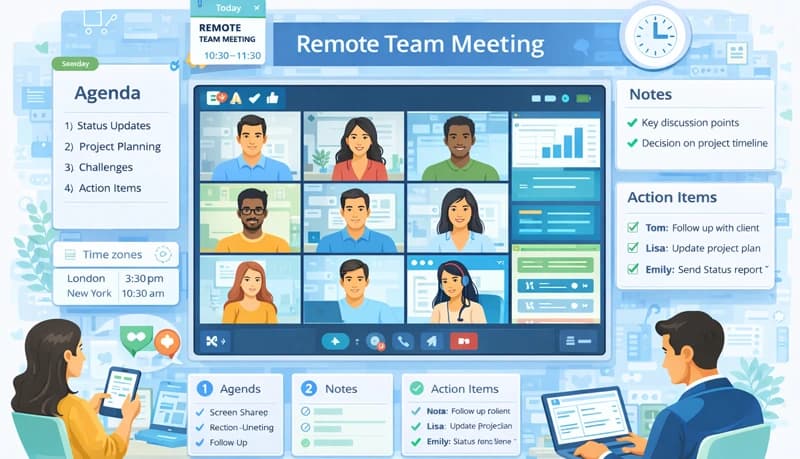
Practical tips for running effective remote team meetings, from preparation and agenda-setting to follow-up and action items.

A practical guide to onboarding remote employees, from pre-boarding preparation to the first weeks on the job.

The 10 productivity metrics that matter. Revenue per employee, utilization rate, project delivery, and 7 more KPIs with formulas and benchmarks.

The benefits of time tracking for businesses and employees, how it improves productivity and billing accuracy, and how to introduce it to your team.

A step-by-step guide to creating a hybrid work policy, including what to cover, tools you need, and a sample policy template.

An overview of time tracking laws and employee monitoring regulations in the US, EU, Canada, Australia, India, Philippines, and other countries.

Build accountability in remote and work-from-home teams without surveillance. Practical frameworks for visibility, goal-setting, and trust-based management.
Struggling to see what your remote team is working on? These 5 practical strategies give managers real visibility into WFH productivity.

What a remote-first culture is, how it differs from remote-friendly, and how to build one in your company.

What the hybrid work model is, the different types, pros and cons, and how to make it work in your organization.

What to look for in a time tracker app, how automated time tracking works, and how it helps remote teams with payroll, billing, and productivity.

A feature by feature comparison of Time Doctor and Hubstaff, two of the most popular time tracking tools in the market.
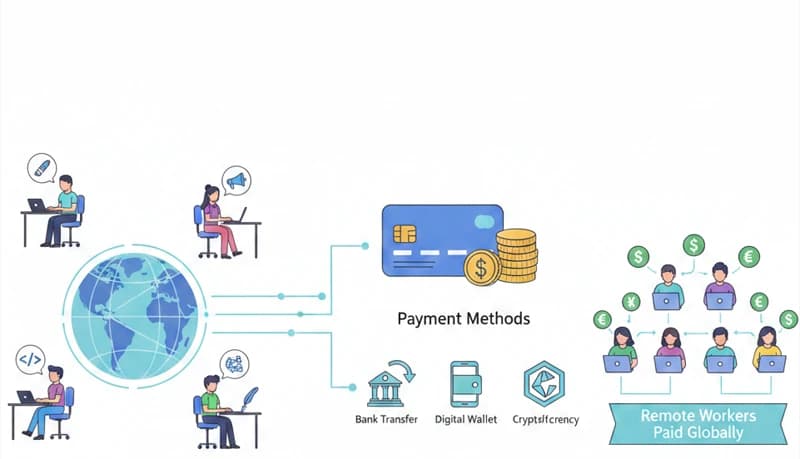
Paying your remote workers on time and accurately builds a positive reputation and helps you attract better employees.

6 proven team building activities that actually work for remote and hybrid employees. Build connection without forced fun.

A curated collection of remote work resources including blogs, guides, tools, communities, podcasts, and books.

The 10 best project management books for beginners and experienced PMs. Covers agile, waterfall, leadership, and team management with our top picks for 2026.
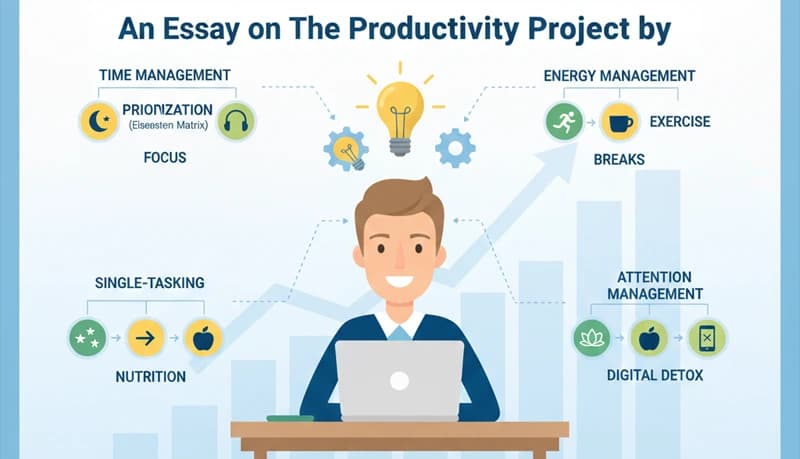
The Productivity Project is a book by Chris Bailey. He writes about his experiences becoming an efficiency expert in this book.
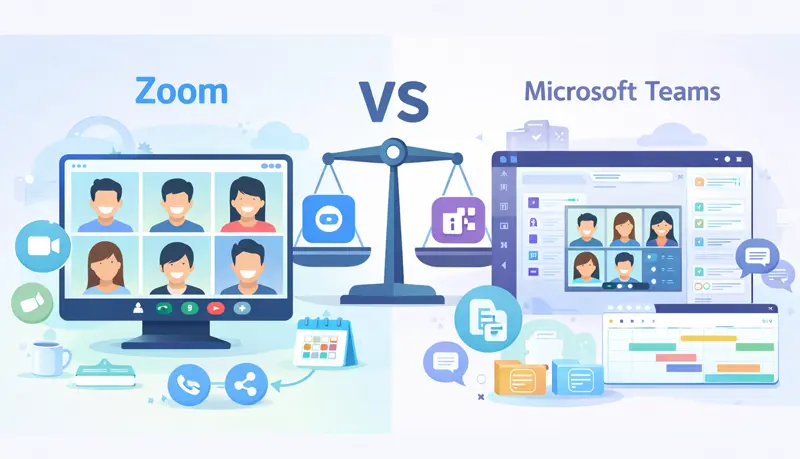
Which video conferencing solution is better for you — Zoom or Microsoft Teams? We compare the two in this post.
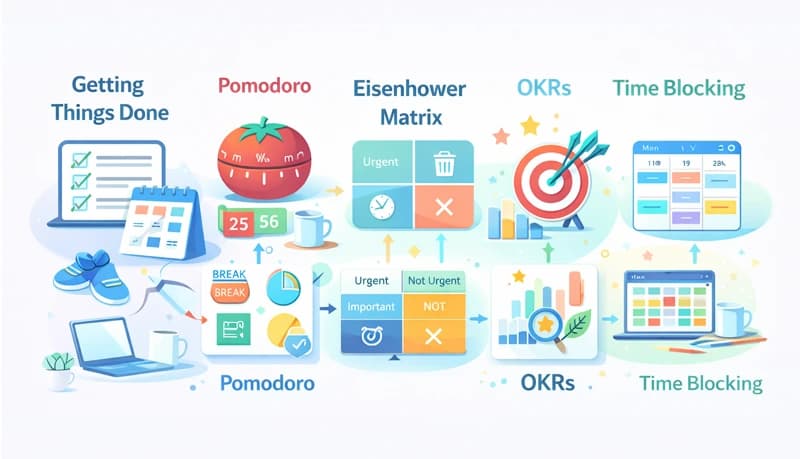
We created this blog post about popular productivity methods to help you efficiently navigate your work and personal life.
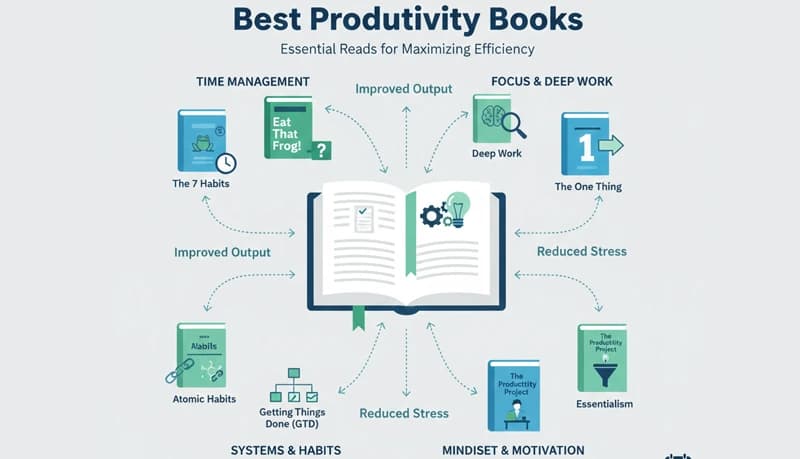
A review of 21 of the best productivity books. These books will change your mindset and your approach to work and life.
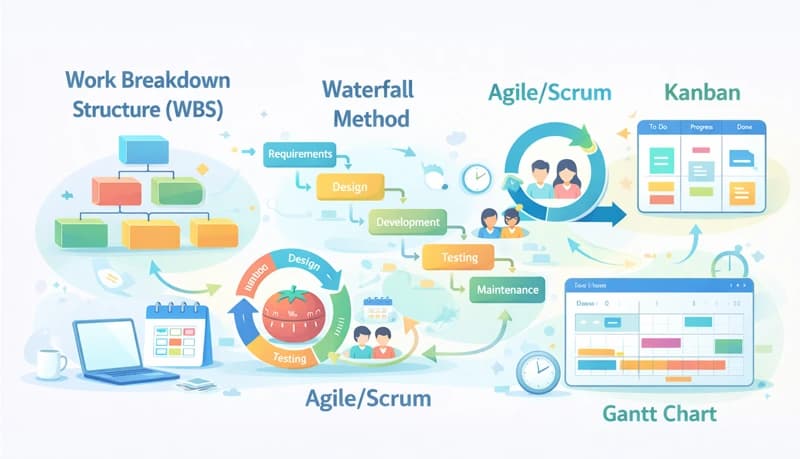
We have compiled a list of the best project management techniques for service businesses and remote teams.
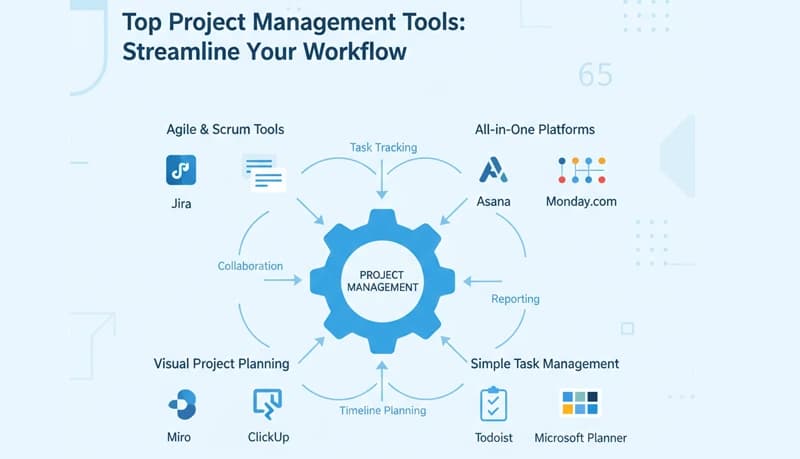
We have compiled a list of the best project management tools to help service businesses and remote teams manage projects.
Results from our survey of small businesses that show the wide ranging impact of working from home and what businesses are doing about it.

These nine techniques will help anyone managing a remote team in improving team communication and performance.
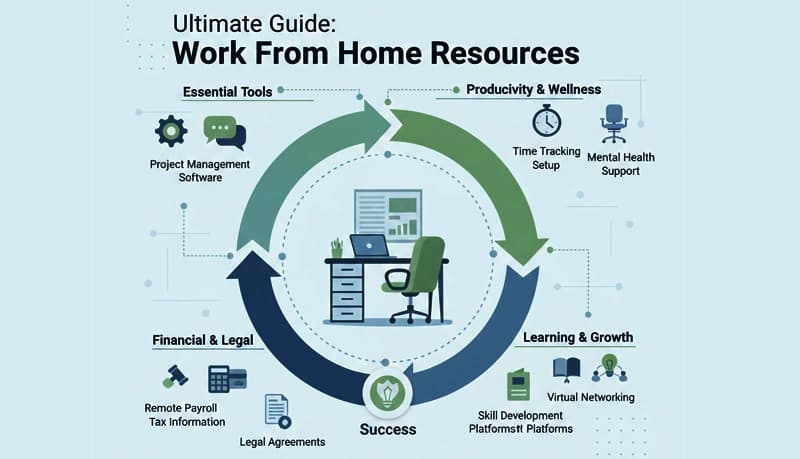
A curated collection of work from home and remote work resources covering setup, hiring, management, and best practices.
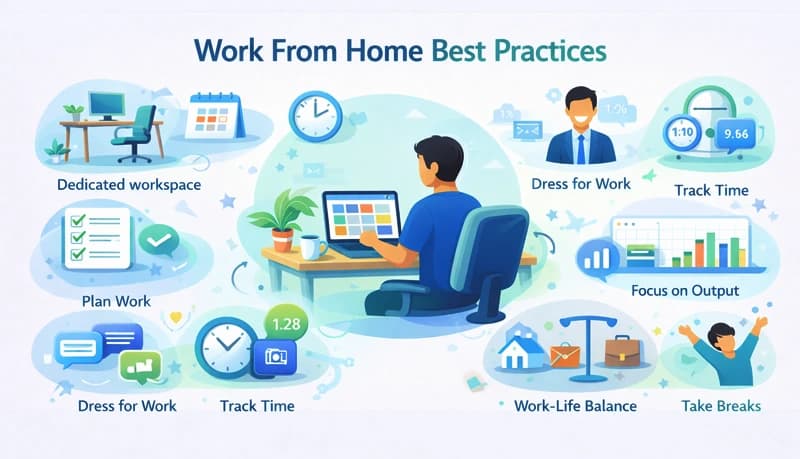
We have put together this list of work from home best practices to help both individuals and businesses stay productive and effective.
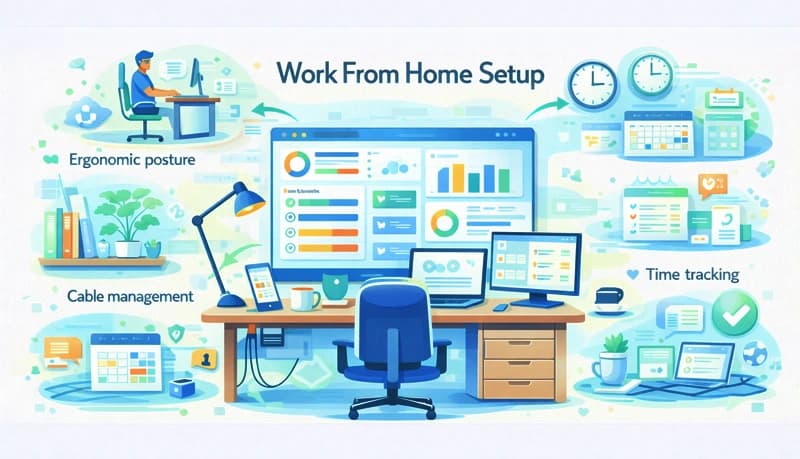
Everything you need for a productive work-from-home setup. Desk, chair, monitor, lighting, internet, and software with budget-friendly picks.
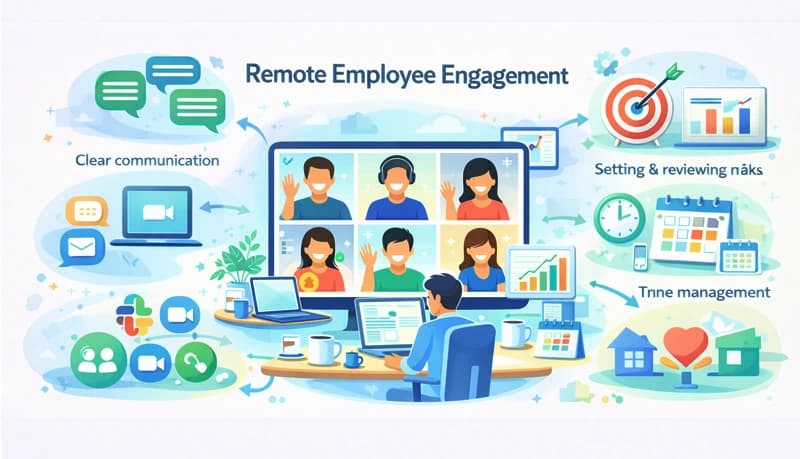
Implement these actionable strategies to build engagement with your remote employees and increase their productivity.
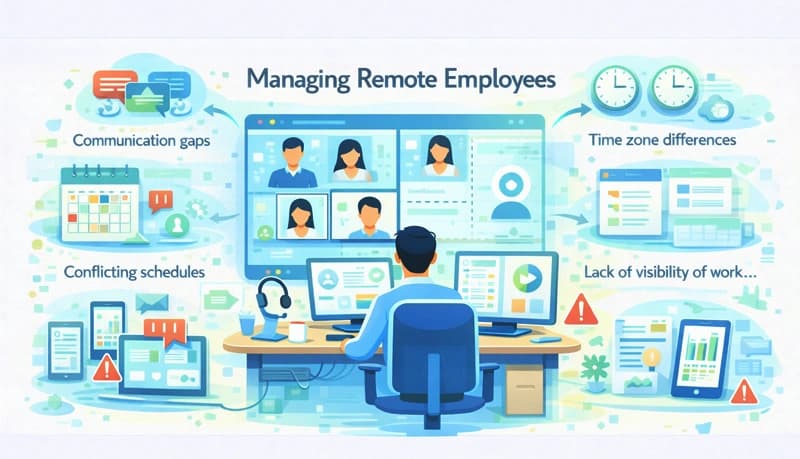
Remote employees are productive, cost effective and more loyal. But you also need to prepare for these challenges in managing them.

What project time tracking software does and how to choose the right tool. Compare features, pricing, and integrations for project-based teams.

8 proven methods to measure productivity for remote and work-from-home employees. Output-based, time-based, and hybrid approaches with examples.
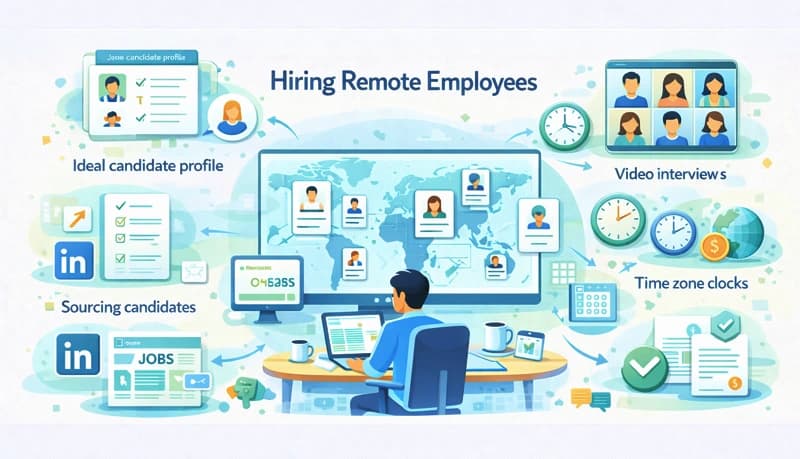
This is a detailed guide to hiring remote employees for digital marketing agencies to get access to right talent and save cost.

Follow this detailed and step-by-step guide to select the best time tracking software for your employees and business.
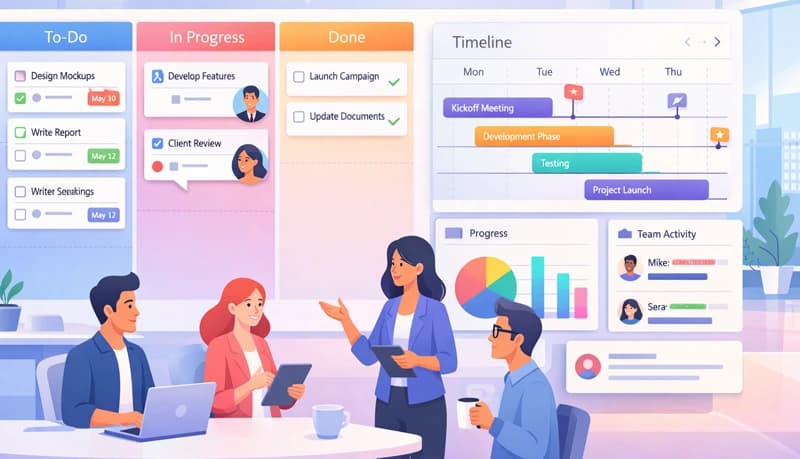
Guide to Asana for project management — features, pricing tiers, pros and cons, and how it compares to alternatives.
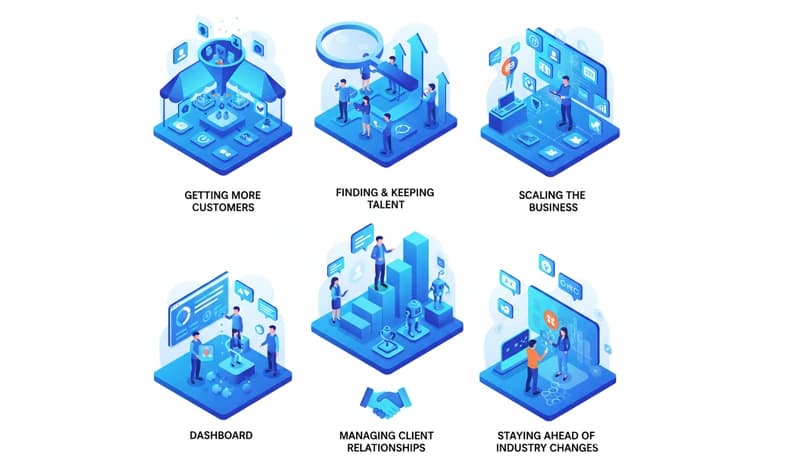
We talked to several digital marketing agency owners to find out their top challenges and how they solve them. Learn from the leaders.

Using HiveDesk, Meadows Resources can easily track their workforce productivity and provide transparent reports to their clients.
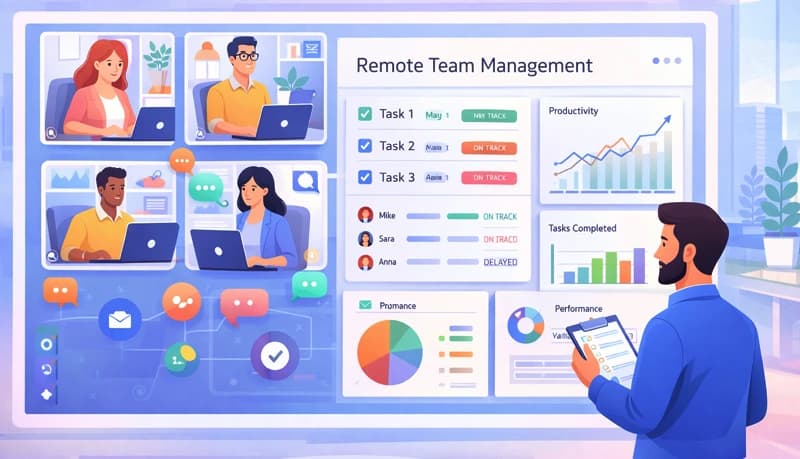
More than 40 businesses identify the 5 keys to managing remote employees and keeping the remote team productive.
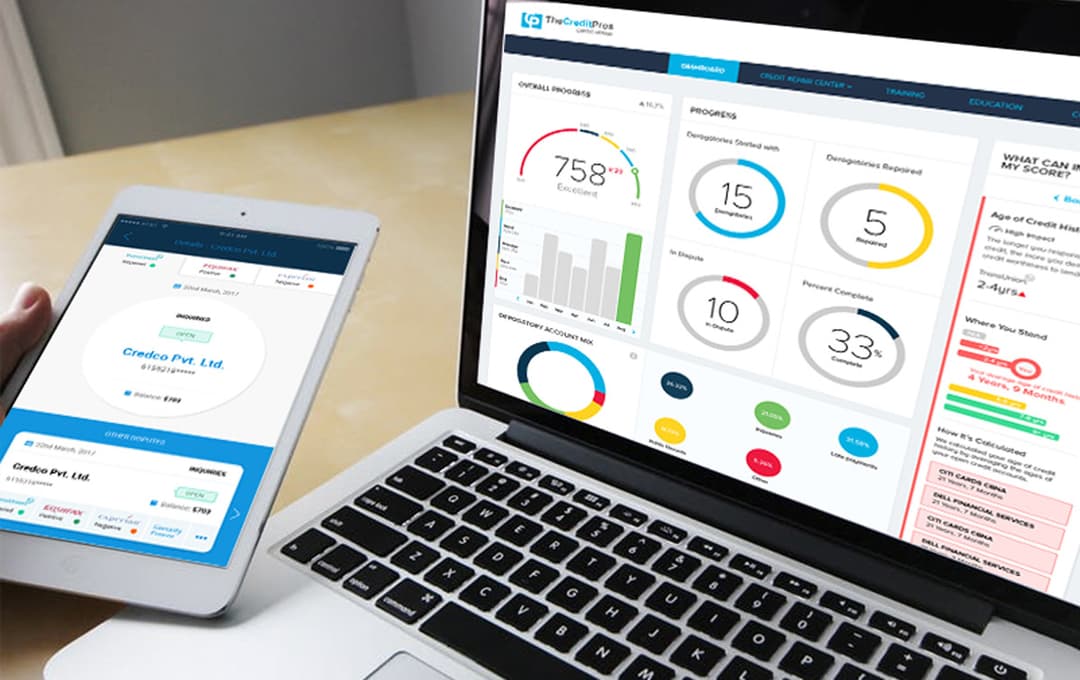
See how The Credit Pros, an award winning national credit repair company fills accountability gaps with remote employee monitoring software HiveDesk.

Harrier Media is an online reputation marketing and PR agency that uses HiveDesk software to avoid over payment to remote workers.

Over 40 Digital Marketing Agencies share how they use remote employees, tools and systems to beat competition and keep growing.
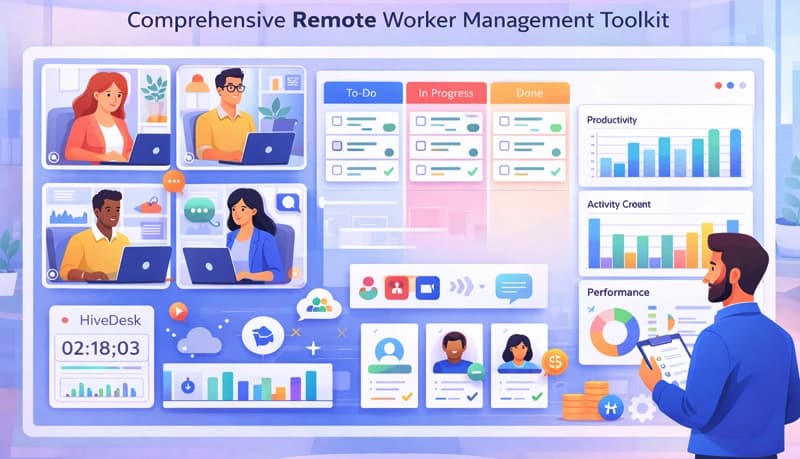
A well researched toolkit for managing remote workers and building an effective remote team. Effective for both new and experienced managers.

Employee vs contractor — how the IRS classifies workers, risks of misclassification, and how to get it right to avoid penalties.

Remote workers are now a business imperative. Employers can tap into a larger talent pool and improve productivity.
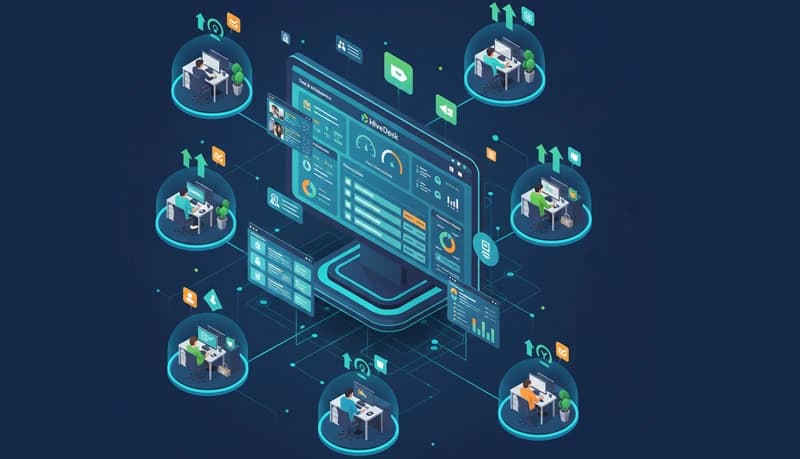
It’s easy to boost remote workforce efficiency, optimize productivity and get your virtual team paid on time with HiveDesk.
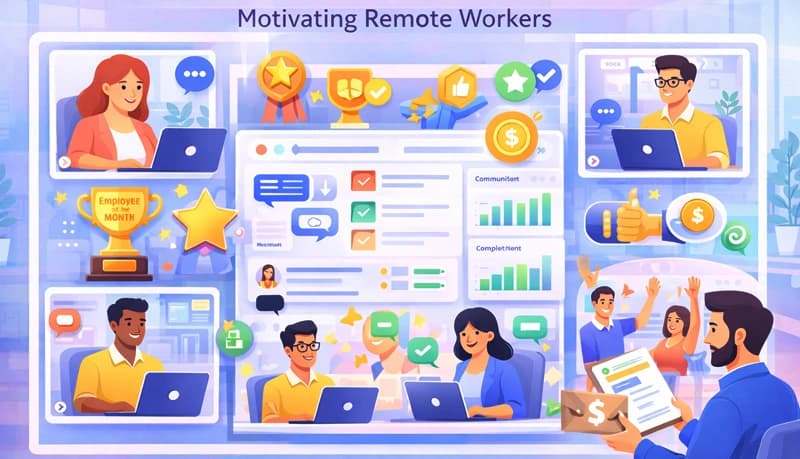
Motivating workers shouldn’t be a burden, rather a team building tactic. Some tips on how to make them feel like a part of the team.

Automated time tracking is a far better way for remote workers and managers to measure the time spent on a project.